Being in a different country over the past 4-months I have learned a lot about mental health and addiction in Australia. Whether it's their treatment system, the unique struggles in AU, or the way Australians value certain aspects of mental health and values.
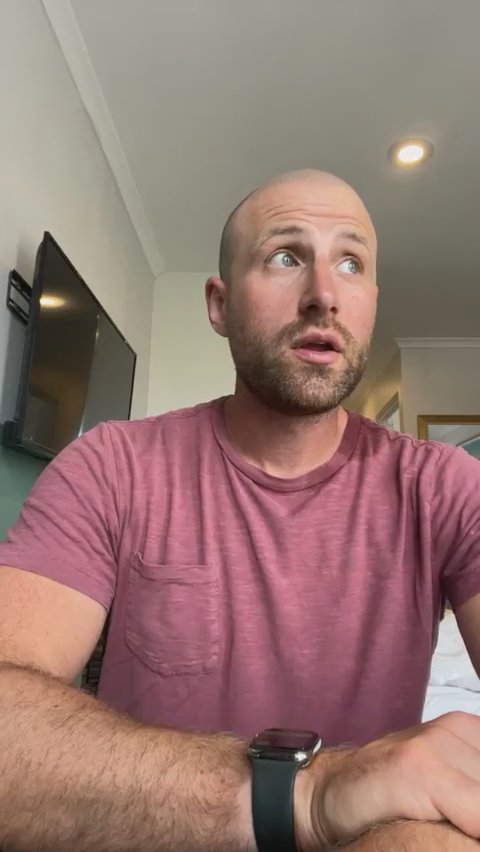
Evan is your resident mental health and addiction therapist. Today we have another live stream. Hopefully all are getting a notification that I'm live so we can get more people on.
It's a scorcher here today. I went into the beach shower, just kind of rammed my head under. Cause it is one of the hottest days of the summer here. So hopefully it won't get too bad.
"I find it to be pretty interesting, and I think it's illuminating to how access of care, having other benefits, how that ties in to general overall health and well being " There are some advantages and disadvantages, probably most, mostly disadvantages in the US. It's not meant to be political in any way.
And I kind of wanted to tie this in, too, to my live stream from last week, which is the keys to happiness. Things like, you know, having lower levels of stress, walking more certain types of diet. I did a little research this morning to make sure what I'm saying is fully accurate.
In the US, when it comes to mental health, everything is decided based on your payer. In Minnesota, we have some of the best access to healthcare. Now in Australia, their system, they have more of a Medicare for all system.
The retreat is based on some of you may know the retreat in Minnesota. They do have some pretty good programs here for SPMI. Some of the people I've met here who have struggled with that.
In Australia, they don't have the same level of opioid problem here. In Australia, though, they do have a big issue with meth, unfortunately. And those are the drugs that really bring people into treatment.
Australia values a work life balance and taking care of its citizens in a different way. For me, the US system is probably better, but for most people it's not. It just depends on who you are and your demographic. For the most people, they'd be better off here.
Australian employees are entitled to four weeks of annual paid leave. Parents are entitled up to 18 weeks of paid parental leave with an additional two weeks available to fathers. This is more generous in the US, which does not mandate parental leave.
Australia has a national aged care system which provides services for older Australians who need assistance with daily living. The US does not have a national retirement savings. Would this kind of thing be viable in the US?
What up, Cadre fam? Evan here, your resident mental health and addiction therapist. And today we have another live stream. I love it. A lot of fun. So we're gonna send the beacon out. Hopefully all are getting a notification that I'm live so we can get more people on. Oh, I got the notification myself. Look at that. So we'll see if we can get some folks coming in. If not, we'll just go ahead and get started. All right. So today I was thinking about what we could talk about. And as many of you know, I'm here on an extended trip, essentially living in Australia for about half the year this year, which is kind of cool.
It's a scorcher here today. So it is the winter out in the US, in the northern hemisphere. And it is. How do you see? I got. I went into the beach shower, just kind of rammed my head under. Cause it is one of the hottest days of the summer here. And I have to turn off my air conditioning to do this. So hopefully it won't get too bad over the course of the next 15 minutes. Should be fine. But I thought we could use this opportunity because I am here to talk about some of the differences in mental health care.
And I thought maybe just healthcare in general between the two countries. I find it to be pretty interesting, and I think it's illuminating to how access of care, having other benefits, how that ties in to general overall health and well being. And I would say there are some advantages and disadvantages, probably most, mostly disadvantages in the US, to be honest. But we'll go through those anyway. It's not meant to be political in any way. I'm just going to be stating some facts, let you all draw your own conclusions.
I just find some of this to be interesting. Yeah, we could go from there. And I kind of wanted to tie this in, too, to my live stream from last week, which hopefully some of you saw, which is the keys to happiness. And that was all about the variables that are best researched to indicate why and how people are happiest. Right. Things like, you know, having lower levels of stress, walking more certain types of diet. Right. So if you haven't, if you didn't see that, go back and check it out. That was one of my favorite topics and I think one of the most important things that we should all know.
Anyway, so let's go ahead. I pulled up some facts. I did a little research this morning to make sure what I'm saying is fully accurate. Anyway, so let's go ahead and start with the mental health care system. So usually in the US, when it comes to mental health, everything is decided based on your payer, right? So what insurance you have, is it a state insurance? Is it Medicare, is it Medicaid? So, like in the US, essentially it just depends on what state you're in now. What up, Cadre? Maybe that's Alec, whose name is actually Cadre, if you all didn't know, Mister Cadre.
So in the US, let's say in Minnesota, where I'm from now, Minnesota is a weird example because we have some of the best access to healthcare. So, like if you make under a certain amount, which is pretty low threshold in the 20 something thousands, and there's some flexibility there, right? You have probably the best access to healthcare I've ever seen, but that's not the case in most states. So, like, if you have, which we call Medicaid Medical assistance, what we call it in Minnesota, right, there's certain providers you can see that you're in network with, and a lot of times there's going to be a little bit longer waits.
You may be a little bit limited in who you can see to be under that Medicaid system. Then you have everything in the middle which is like your employer based health care. Or now what you have kind of that Obamacare, which is a subsidized, you could get one of those commercial based Blue Cross, you know, whatever, and get that subsidized because before you could only do that with employer, you could not get insurance as you had employer, you purchase it yourself. It's really expensive. So now you kind of have that middle ground and then you have your employer based.
So if you have, you know, generally run of the mill decent insurance, you have access. And then you have Medicare, which, um, you know, is for, you know, those with disabilities and, you know, elderly folks. And with Medicare in the US, like, it's really difficult to, it's more difficult to find people because Medicare doesn't make it easy to be in their network. Like I, I'm eligible to be. And like, it was just such a hassle. I just like kind of gave up and I was just like, screw it. You know, it's just too much hassle.
And the payment, you know, the payment is not very good. You know, the reimbursement is far less than you would get anywhere else. So that makes it so there's maybe not as many act not as much access to providers, but like in Minnesota, it's great because if you have not Medicare but Medicaid medical assistance, you're pretty much in network with everyone, right? So I'm going on a little derailment here. So that's kind of how it works right now. If you have that pretty good insurance, you should reasonably be able to find a therapist.
That's been harder since 2020 because of the pandemic, but you could pretty much just go to, you know, search psychology today, Google, find a therapist and, you know, be able to see someone. You don't necessarily need a referral from your general practitioner or anything, you just go do it. Now, the only problem there is that, you know, deductible, copay, coinsurance, all that stuff is out of pocket until you reach your deductible or whatever. So there is out of pocket cost. It just depends on your insurance.
If you have a better insurance, whatever, you may not have to pay anything. So that's the best case scenarios. You have good insurance, very low out of pocket costs, or you met your deductible, have at it, you're in a great position. Right? So that's the US as far as mental health care, and that applies, pretty much all this applies to general health and in some ways too. Now in Australia, their system, they have more of a Medicare for all system. So they kind of have a blend maybe similar to Canada for like Germany and stuff like that, where they have this national based healthcare.
And so everybody, every citizen or permanent resident is allowed to have that. So my brother, he moved here five years ago, he's a permanent resident, he has access to that. So there's to. Then you could also purchase a private. Now if you have Medicare in Australia, you're pretty good, people are pretty happy with it. Here, for example, from mental health, you have to get, you go to your general practitioner, they give you a referral whether it's mental health or whatever. So there's an extra step there.
You start there and then you get sent to a specialist, pretty much whatever that is. So that's how you have to access that. Here you have mental health services consultants with psychologists, psychiatrists, other mental health professionals. Now, I don't know exactly, I mean, I don't know how long the waits are, how difficult that is to find. So I'm starting to learn that. What's up, Luke? So I'm trying to figure that out a little bit more, but it seems like people are reasonably able to access like a therapist.
If they have that now, it still can be difficult, right? And so just like any of the healthcare services in Australia, people are able to reasonably access them, but where it does get hard with some of these universal plans is like wait time. So the more specialized it is, the longer wait times. So I know, for example, this is better than in the United Kingdom, which my followers, people I know who are there, my cousin who's there, you know, who's looking. Whenever they look to find it, they just don't really cover it.
They're not good about covering, unless it's like an emergency or, like suicidal in the hospital or something like that, it's not good. But here it appears you have a little bit more access now in this system, too. It is a blended public private, which I think is kind of the best way to go if I were to wave my magic wand. In the US, pretty good compromise where you have this general insurance that you could get the government subsidized, whatever, and then if you want, you could get, an employer could provide it as a benefit, or you could purchase your own private plan, which gives you more access to different providers.
Some, you know, some of the private insurers, you have more access to different providers who will be in network, some who may only take the private plans. So, for example, in Minnesota, some providers say, oh, yeah, I only take commercial plans, which would be like employer whatever, but some of the, like, Blue Cross whatever will say, look like, if you want to be in our network, you have to take both. So that's what makes it really good in Minnesota, if you have that. So it's like, if you make under that amount, you're like, got the best d*** healthcare I've ever seen.
So, yes, you have that private coverage, and when you have that, you can cut down the wait times, because, again, that's one of the criticisms of when you have so many people accessing it just for the best, but that makes it longer, the more specialized it is. I find here that as far as treatment centers, so I'm in Sydney, and, you know, the biggest city here, I believe it's the biggest, about five point something million in the metro area here. And, I mean, there seems to be only, like a handful.
I mean, there's a lot of, like, local based, you know, treatment centers, but for the ones that you get, like, kind of like the US that are, you know, that 28 day plus inpatient, it just. I mean, it doesn't seem to be as developed like we have in the US because that's where it came from. Even Minnesota, that's where it's from. And Luke would know well, as he founded and operates one of these awesome treatment centers, North Star behavioral health represent. Got a marketing email today from Northstar.
Sounds like they have openings. If I remember correctly, I was half awake when I read my email first this morning. But that's what's really cool about the US, especially Minnesota. We have all these different, you know, options. You got your medication assisted therapy. Oh, there's Alec. Who's Cadre? Was that Ethan? Or maybe Alec. You went from Cadre to Alec, so you have that here. But it seems to be a little bit more in depth here. And it seems like, you know, with the private insurance, like the commercial insurance in the US, I find that that will cover a lot of the really nice treatment programs, and they don't have many of those here.
Oh, that's Luke. Okay. So Luke says two personalities. So, for example, they have a place here down the road, not a couple miles, called South Pacific private. And they actually base that off of some of the US models, like the Meadows, which is like a well known treatment center. Right? So that's like, really close from what I hear, to like, what you would find in the US, like an awesome 2028 day whatever plus program. The problem is, I don't even think they take insurance. They have, you know, you have to pay out of pocket, which is really expensive.
Some people end up doing that in the US, too. And then here you also have a place called the retreat, which is based on some of you may know the retreat in Minnesota. So super interesting. And some of the people here may be from the US or had experience there, took some of these models, and boom, brought it here. Just out of curiosity, severe SPMI rates, percentages. I don't know. I'm not sure exactly what percentage of people are SPMI here versus there, if that's what you're asking. But I think it's interesting.
They do have some pretty good programs here for SPMI, and I think a lot of the Medicare system is built to handle a lot of that. And I know that they, like, do some, like, various housing vouchers. So even the place that I'm living, I'm just like, in this hotel here. And they have, like, they're even able to live here. You know, they have like, a couple rooms here that the government will pay for. The problem is, right, like, you can imagine sending someone with, like, severe addictions just to a hotel without accountability or staff, right?
That could be a problem. So we have our own versions of that here. But that is something I do not know exactly as far as, like, the SPMI, but that's just like, what I've seen. And some of the people I've met here who have struggled with that. Let's talk about substances. So that's what I find to be, like, really fascinating, is so the substances people use, for example. So, like, in the US, most commonly be like, alcohol, opioids. Alcohol, opioids and meth here, it's a little bit different. So they don't have the same level of opioid problem here.
I know that they did, like, back in the seventies and some of these beach towns here, which are probably meth, less nice than they are today, from what I hear. You know, they had heroin problems, whatever, but you don't see that as much here. One of the advantages in Australia, or disadvantages, if you want to use a lot of drugs, is that it's extremely isolated, so it's hard to get things here. So they don't have the same, like the fentanyl hasn't reached here yet, and hopefully it doesn't. So you don't have those overdose rates, you don't have that opioid epidemic like we had in the US.
And those are the drugs that really bring people into treatment. Number one typically tends to be alcohol. And then another method sends people to inpatient and opioids. Those are the, you know, any cocaine. The rates have gone down. And sure, you'd have a lot of people crack cocaine, but those rates and meth has largely filled that hole because it's cheaper, easier to use. So in Australia, though, they do have a big issue with meth, unfortunately. So that has become very common here because they have kind of similar, like rural type areas to the US.
Some of that comes from China, which is closer. We think maybe they get fentanyl, too, but it just hasn't reached here. Some that goes through Mexico, but I believe it does come from China. Anyways, meth is a big issue here. Now, cocaine, a lot of people do use it, but it's like, kind of like a high class thing because it apparently is so expensive and not very potent or pure, but it's, you know, definitely abused here, but it's just so expensive. Right. So that's usually where meth fills in. So, like, you know, it's like, hold my beer and meth comes in.
Now, like, if you compare it to the UK, where maybe cocaine is more available, cheaper, not as bad if you're a drug user. They don't have as much as a meth issue in the UK. Right? And meth is just one of the worst drugs. So that is a big issue here is meth. So really just alcohol, meth and cocaine is the other main drugs. And you have cannabis too. Typically that's not landing people into inpatient, maybe more. So outpatient or just kind of. You don't have as many consequences, so. But it. There's a lot of issues.
Maybe I'll do that. Write that down. Maybe I'll do that on another live or make a video here about weed addiction. Anyways, so let's see what other facts do I have? Okay, so I thought this would be interesting, some of the benefits, right? So now this time back into the last livestream, which is all about happiness, right, and keys to happiness. So one of the things Australia values a lot is, you know, like a work life balance, but also, you know, taking care of its citizens in a different way. You know, it's, you know, you're going to pay higher taxes here, like in a lot of these countries that have universal type health care, you know, so your taxes are very high.
So it's not all puppy dogs and rainbows. It just depends on who you are and your demographic. Trying to think, like, for myself personally, I think like, I wouldn't have it the other way, but I'm like, I'm not representative of everyone. I have a different, unique situation. Right. So for me, the US system is probably better, but for most people it's not. You know, I'd rather have my own business, whatever. I'd rather pay less taxes right now. Thank God. Before it wasn't the case and I had good insurance, but I don't have as many health issues at this point to get a big surgery and all these issues, but that's kind of resolved for now, you know, so.
And I had good coverage, so that works well for me, but probably for the most people, they'd be better off here, to be honest. Now, the benefits. So talking about like, greater benefits, right? So we talked about the universal healthcare, healthcare, but paid time off. So Australians are entitled to four weeks of annual paid leave. So requires if you're an employer here, you gotta do it. Ten days of paid sick leave, two weeks of paid bereavement leave. This is more generous in the United States, which does not manti mandate paid paid leave for employees, parental leave.
So australian parents are entitled up to 18 weeks of paid parental leave with an additional two weeks of paid leave available to fathers. This is more generous in the US, which does not mandate parental leave. So you have to offer 18 weeks. So that's more than four months. So I learned this. My brother just had a baby, you know, and he's with like a big corporation, whatever. So he had like additional benefits, but, you know, compared to if he's working with the same company in the US, he wouldn't have had that, right.
So he was able to get full pay for about four months, half pay for like another four months, and then he could take more unpaid if he was. So he could like take a year off, essentially. I mean, you have to have the finances be able to take half pay, no pay, if you wanted to do that. But I mean, I mean, that's pretty cool. I think his wife, you know, she has her own business, she's not employed, so I don't actually, I forgot what he said. I want to check that out to see if he, if his wife actually gets paid through the governor.
I think she may get a stipend because she has her own business or something. That'd be kind of cool. Retirement. So they have an interesting, it's called like a comprehensive retirement savings, known as superannuation, which requires employers to contribute to retirement funds. And the US does not have a national retirement savings. Now, I think one thing interesting, I didn't pick up here, but you are required, I don't know what other countries do this, but you're required to, you know, like you do with your employer, you like a 7% matching or whatever, but you're required to put in a certain amount of your income.
I forget the percent, 5%, 7%. I don't know what it is to a retirement account. And that way, if you're kind of forced to do it, if it's automatically built in, which is like, you kind of should do it anyway if you can, you know, that way you don't have as many elderly people in poverty. So I don't know if they have the same Social Security security system like we do, but I think everyone has that retirement account they pay into. So it is a little bit different. I think they subsidize some of that too.
Elder care Australia is a national aged care system which provides services for older Australians who need assistance with daily living. This includes in home care, residential aged care, respite care. I don't even remember what respite care. Anyone know what respite care is? I forgot us does not have a national aged care system. Instead, it relies on private insurance and out of pocket expenses. So another interesting thing too. So I heard this. So like, let's say my brother, who's a citizen, my parents, obviously not, they live in the US, but I think they have it where?
Where if let's say you have two. Let's say you're an elderly person and you have two kids and one of your kids lives in Australia, maybe up to three. So it's like a percentage, right? So if like less than 50% more. Less than 50%. Anyway. So let's say you have a parent and you only have one sibling who could also take care of your elderly parents. You could bring your parent here. They'll assess them and actually provide benefits and care. Like they have like an in home care person that will come like, help take care of your parents.
So it'll give them like a specialized visa. Now, if you have like three or four siblings who could theoretically take care of them, they won't do it. But if you're like the only kid who can or is like half, they'll let you do it. So that's kind of crazy. You know, they do things too, like my brother and sister in law when they're having their baby, like they would have appointments with a midwife, you know, they'd be able to see. They would even come to their house. So it's crazy. I mean, so they're, you know, so when I talk to them, they're just like super happy.
Because it's interesting, because my brother, you know, worked for this like, huge international corporation, does well for himself, right? Theoretically has, I don't know exactly his benefits, but I would assume pretty good health insurance for the US. But then coming here, he's like, it's night and day, right? So in his situation, even though he had great us insurance, he just finds it to be so much better here, especially after having their baby. So I don't know. So that's interesting. So I think it's interesting to compare these things.
And again, there's a downside to everything plus and minus. But it seems here, like people are a little bit happier with their system. And, you know, the question is, would this kind of thing be viable in the US? It's hard because our system is so entrenched that it'd be hard to change. And it could be a little clunky if we did. But it seems like, I think even Australia, I think this is one of the better systems compared to any of the others. Like the canadian system, because they're known for having very, you know, you got the taxes, but then you have the very long wait times, from what I hear from Canadian then, like in the UK with like the mental health care specifically, I don't know about the general, but with mental health care, it could be really difficult.
And in the US, I mean, we have some of the best doctors. It's just like, can you access that? Some of the most cutting edge technology. Right? So people do come from all over the world, world to see our doctors in the US. So what are you gonna do? Anyway, folks, hopefully you found that interesting as I did. Oh, quick too. So I looked at as far as like the happiest countries in the world, Australia is twelve compared to 19 in the US. Right? So I think some of the benefits here and other cultural reasons play into that.
They're less politically polarized here, which doesn't seem like a huge hurdle to jump, but that seems to be a thing. Oh, and the average life expectancy here is about four years more than the US. And the US was like 79. And here it's like 83 or something close to them. Also depends where the US you are, because I know, like in Minnesota it's like 81 or 82. So closer. So it just depends. But you aggregate, the US is very, like, it's very different regionally. Our systems are a little more piecemeal and state dependent versus like federal.
So I think that plays into it. Anyway, folks, it's been real good to check in with you and we'll see you at this time next week.
Reactions and comments are for members. Joining is free and takes a minute.