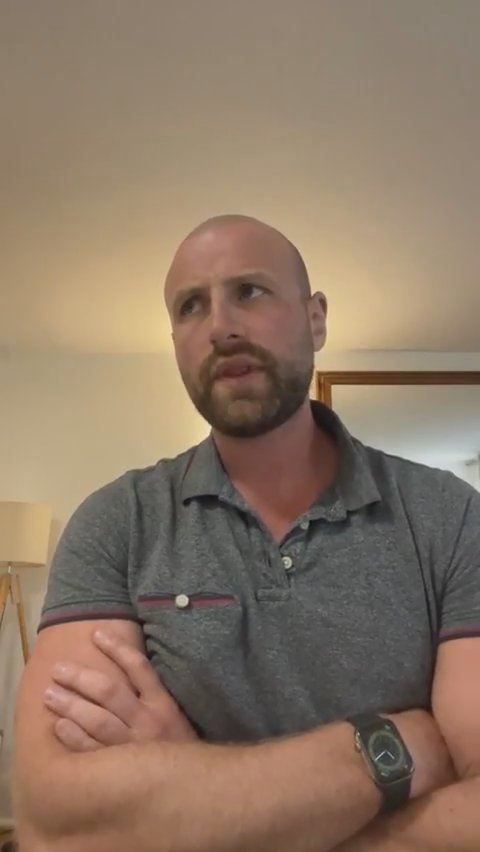
Today we are doing another episode of Mental Health Matters, except you bring the topics for me to answer. This usually makes for a lively and fun conversation, so come join and contribute your questions or experiences. Feel free to put any questions in advance on the community feed and tag me whether you are joining live or watching later.
Evan is your resident mental health and addiction therapist, coming live from Sydney, Australia. So a little bit sunnier and nicer than the US, admittedly. Looking forward to coming back to see you all.
Today is another episode of mental health matters. We discuss matters surrounding mental health and addiction. If anyone has questions about mental health or addiction, now's the time to ask. Comment on one of my videos if you have any questions.
Lori: Therapy can be expensive now. Here's a few things to consider if you're struggling to figure it out. Understanding your insurance benefits. Also, if you have an eap through your work, sometimes they will cover what up, shark attack. Some folks just do private pay only.
Great question from Jules here. What is a good way to stop your mind from going and going? Why is it that you're not getting a deeper level of sleep in and of itself? What are the different ways to calm your mind and body?
Another thing I wanted to talk about is safe consumption of online media. It's easy to hear symptoms of a disorder, think you can relate. The next step is to go get an assessment. How many of the people being tested actually have the condition they're being tested for? About 50%.
What's up, folks? Welcome back to mental health matters. I'm Evan, your resident mental health and addiction therapist, coming live from Sydney, Australia, where I'm visiting family over the past month or so. So a little bit sunnier and nicer than the US, admittedly. So grateful to be here, but looking forward to coming back to see you all. I guess I'm not seeing many of you off to a good start. So today is another episode of mental health matters where we discuss matters surrounding mental health and addiction.
And because it's important, and today the AMA asked me anything. So I brought some questions that you all asked. What up? We got a couple people joining. That's awesome. So again, if anyone has questions, anything about mental health and addiction, now's the time to ask. You could always put it in the community feed as well. Tag me. Comment on one of my videos if you have any questions, comments or otherwise. What up, Alec? And from there, yeah, feel free to ask whatever. And if not, brought some questions if you're watching this later.
Anyways, first question I saw, I may have touched on this a little bit last time is about like paying for therapy now, therapy can be expensive now. I think there's some misunderstandings around that where it's like, oh, it's just like luxury good. And you look at the price tag. Oh, what up? First live Lori. So we look at the price tag for therapist. Like, oh, my God, these folks must be crushing it in the financial department. Well, you know, like any medical service, you know, there's a lot that goes behind it, not just like our education or anything like that.
There's that, but also the cost of doing billing and this and your facility and all that stuff. So if you have a thriving private practice, you could be doing all right, but you're not going to be rolling in the dough, per se. But still, it doesn't really matter to anybody necessarily, because if you want therapy, you need therapy and there could be a higher cost. So here's a few things to consider if you're struggling to figure it out. Now, first is understanding your insurance benefits. Hopefully most folks have insurance.
Sometimes people don't. And highly recommend doing that if you can. Some state, and again, it's really state dependent. Some states are better than others, but you could talk to your insurance company, you could look at your benefits, know your deductible, know when the benefits start to kick in. Maybe sometimes they cover a few sessions. Also, if you have an eap through your work, sometimes they will cover what up, shark attack. Being that I'm living in an area right now with sharks. I got to be a little bit careful when I get in the water.
But so far I'm okay. No shark attack since I've been here in Australia. Where was I? Anyway? So eaps through your company, sometimes they will, you can do five or six or something free sessions through an employer assistance program. That's something to look into. But a lot of folks, it is covered in your benefits. And sometimes if you're like, okay, I'm already paying all my out of pocket expenses towards my insurance deductible anyway, then I guess at that point it's almost free. But not everyone hits that out of pocket, Max.
So you know, you are paying out of pocket for that. But if you have certain insurance benefits, sometimes you have it through the state, there's certain, there are certain providers that will take that. Hopefully most all, some folks just do private pay only. So you just got to figure out like what's right for you. And sometimes, you know, it may just be you're paying out of pocket. You're not going to hit your insurance out of pocket, Max. You're, you know, to going, you want to pay private pay anyway, you know, just thinking about, okay, well what if you did, you know, every week for a little bit, then did every other week, you know, talking like $150 something like that.
If you, you know, it's a bit like it's an investment in your health. So looking at it that way, what is that worth to you? But I understand that everyone, you know, has their own budget and, but it is, I believe, important to prioritize your mental health. So if you're able to do it, also if you can't afford it, a lot of places will do a sliding scale. So a sliding scale fee meaning they'll like report your income or whatever. You don't have to go too into it, but you know, you'll be able to pay a lesser fee if you would qualify for that.
So that could be helpful too. So there's a lot of different ways to look at it and look into it. Great question from Jules here. What is a good way to stop your mind from going and going? I wake up in the night a few times and start thinking of all the things I need to do for the day causing a lack of sleep. Alright, so here's a few things right to consider, right. So the question is your mind is racing, you're having trouble sleeping. You know, that could be right. Obviously you're thinking directly about the stress for the day.
So sleep hygiene is important and you may be doing all these things, but it's kind of like looking at first. Why is it that you're not getting a deeper level of sleep in and of itself? So it could be things like a lot of people drink caffeine too late in the day. Like looking at, I think it's something like 8 hours before bed. Make sure you're not drinking caffeine because if you do, you could still sometimes fall asleep, but your mind starts racing and then it's just going to go to whatever anxiety you have because that causes a lot of anxiety too.
So that'd be something to look at, you know, and just like making sure you're not like looking at your screen too late, that you're getting, I think a big one too, is like getting exercise through the day. Whether it's a hard workout ideally, but also it could just be like taking a long walk, you know, making your body tired, and then you'll go into a deeper level of sleep. Cause a lot of times when you're waking up in the middle of the night and your mind is racing, you're in a much shallower level of sleep.
And so that kind of makes it easier to wake up. One of the guys who has a lot of content on here, Dan, the organizer man, you can look up some of his stuff. He's not making content anymore through us. But I did an interview with him and he had a really, he's all about like organization and kind of life hacks in a way. And he had a really good one, which was preparing the day or the night before for what you have to do. For example, that could be laying out your clothes, having your electronics, your computer, I don't know, like having your bag packed for wherever you need to go and just having everything in place or even having emails scheduled for the next day.
So, so in the morning, because then in the morning you're like scrambling to get ready and find things. But when you do it with a fresher mind, the day, the night before, it actually, and I mean, maybe you thought of that at one point, but like, I started doing that when he told me. And it really helps because I don't have that same like morning anxiety. It's like, okay, I got all these things covered, I can get started. It's better to do it then than to do it now. So that could take some of the things off your mind.
And then it's just, you know, also, yes, I think those things right there, I would try first, but then also looking at, you know, the stress in your life in general. When I look at stress, it's kind of from like two angles. It could be the situation itself and trying to actually change the situation, whether it's a relationship or work, seeing if you can alter that. But then also on the other side, it may just be your reaction to normal stressful things. We have to have some level of stress. Life can't be too easy.
That can be stressful in and of itself. And so, like, what are the different ways to calm your mind and body? So a lot of people have found benefit from, like, guided meditations before bed. There's a lot of good stuff, free stuff, YouTube, Spotify, white noise, other mind body calming activities. So those would be the things that I would suggest. Try them out, come back. Let me know if any of those worked. I've dealt with some of that myself, and I found some combo of those things to be helpful.
So, yeah, I don't know if you're in here. What do you think? You have two stressful jobs, both first responder positions. Yeah. And I wonder, too, you know, a lot of times, first responders are very, you know, have very high levels of, you know, PTSD or just trauma response or just, you know, greater amounts of stress. So that stuff can weigh on your mind. So, look, I don't want to be the one to say, like, oh, yeah, everyone needs therapy. If you have a stressful job, you have to get therapy per se, but that could be really beneficial, too, to help manage the stress of your jobs, you know, especially if they're first responder jobs.
So appreciate what you're doing. I know that, you know, I've worked with a lot of first responders, and, you know, that could really weigh on you. And it's funny, people, like, ask me, like, all. Ask me something like, how are you a therapist? You listen to all these terrible things, or, you know, like, how do you separate? How do you not carry that with you? And I'm like, you know, well, you get used to it. Over time, you find ways of doing that. You absolutely can be ineffectual at your job if you're constantly wrapped up in the emotion.
But then I'm thinking the same thing with a first responder, a nurse, a hospice worker. It's like, how do you do that? It's like, I asked them the same question, but I'd be curious to hear your experience with that. You know, how you. How you. What you do for self care as well. And that could be, you know, and I think all of that is important to have that balance in life, to not put too much of your time and energy into just one place, to spread it out a little bit, make sure you're doing things for you.
So appreciate what you're doing. That is a great question. It's awesome having all these folks in here interacting. I encourage you with, even if you're. I know a lot of people come in, they're just watching, but feel free, you don't have to ask a question, just say hi, it's good to know who's in here. And if you do have questions, go ahead. And that's why I'm here. Let's see. So we're talking about affording therapy. Do that one for next time. I mean, another thing I wanted to talk about is safe consumption of online media.
So this has come up quite a bit. I've had a lot of conversations about this. You know, for us folks who like do education, content creation, you know, and we're teaching folks about different concepts and mental health, especially when you start getting into diagnosing whether it's ADHD, autism, depression, doesn't matter, especially the first two, you know, it's easy to hear symptoms of a disorder, think you can relate. And then, I don't know, people say like self diagnose. I mean, I think that's a little bit overblown.
You know, I don't think people are like, I have depression, you know, and then just say they have depression and not get like a diagnosis for it. But at the same time I think that is important. A lot of times you do hear about the symptoms and other people's experiences and you learn about it and you're like, oh, you know, I really do relate. So then the next step is to go get an assessment, whether from a therapist, psychologist, if it's something like ADHD, you know, psychologist, psychiatrist or some, some specialist or specially autism, you want to do more in depth testing like for adult autism.
So I think that's the thing is like, yeah, you don't want to just like try to relate to everything and then think you have it. It's like, I just call it the WebMD effect. I think it's the same thing when like, you know, WebMD came out and you start to like read all the symptoms. Like, oh God, I have that, I have this type of cancer, I have you. And you freak yourself out. You know, it's kind of like a little knowledge is a dangerous thing. So just being sure that, look, I think so I take a little different approach.
It's like, okay, that's fine in a lot of cases. And it could be helpful, especially if it leads to you getting services. Like, I got some friends who are psychologists and they've said, like, since the advent, not the advent of social media, TikTok or something like that, you know, since the pandemic, especially. And when there's more content coming out, more content being consumed by people like myself, more people were going in and getting tested, which is a good thing. And I asked them. I was like, well, of the people being tested, like, how many of them actually have the condition they're being tested for?
About like 50%. I'm like, okay, well, you know, so, like, let's look at the pros and cons of that. Because if 50% of people, you know, if all these people coming in would not have maybe gotten assessed before, 50% of them are getting diagnosed and treated, hopefully thereafter that wouldn't have otherwise, then of the other half who don't, maybe they figure it's something else or they get help for whatever else that is. That may seem like this, and then that's, I'm just throwing numbers out there, but that's another half that's getting some help and benefit from doing the assessment.
Maybe 25% just a false positive, and they go about their day and maybe wasted a few hours, but at least know that it's not what they thought it was. And some of these things are kind of subjective as well. Diagnosis is based on outward symptoms and self report, which certainly has its limitations, but it's hard to go into the brain, and even brain scans aren't super reliable on diagnosing disorders either. So anyway, I hope you got something out of that. We'll cross these off for next time. And then next time I'm going to actually put a new live stream and we're going to talk about some controversial topics in mental health.
Anyway, for those who participated, I'm super grateful we had an awesome group in and asking questions. Feel free to put questions, community feed comments in any of my videos. And until then, I will see you next week. Peace out, folks. Thank you. Bye.
Reactions and comments are for members. Joining is free and takes a minute.