Not everyone who drinks has a drinking problem, however. Those who refer to themselves as gray area drinkers are neither an occasional drinker nor an alcoholic. Gray area drinkers are those who have a daily habit of drinking in social settings or when at home alone. Even so, they may not show the usual signs of alcohol abuse, and appear to have a grip on their drinking.
Tiffany Norton: Happy Memorial Day. Around here, at least in Minnesota, the sun just came out. It had been rainy and dreary. So I'm glad that the sun popped out for a minute. We're just gonna get started.
29.1% of Americans fall in between the two drinking categories of non use and abuse. The recommended maximum allowance for men is no more than two drinks a day, never to exceed more than 14 drinks in a week. Even people that regularly consume as little as one drink can increase their odds for cancer.
Gray area drinking is drinking that does not rise to the level of being alcohol misuse disorder or abuse. It's when you start some of these behaviors that are coming out of you. You might be suffering from some kind of a chemical imbalance. Drinking all of these things can be fine.
You can't use willpower to change brain chemistry. So what are some healthy ways that you can increase your serotonin, increase your dopamine?
Can you treat gray area drinking? Absolutely. You can treat all kinds of drinking. I really encourage you to reach out to community groups. Here are some recommendations that I found that I think are delightful.
This is the time to remember our veterans, men and women that have served and have. And are gone. Just remember, we've got to be here for the soldiers. Stay safe and have fun at the barbecues.
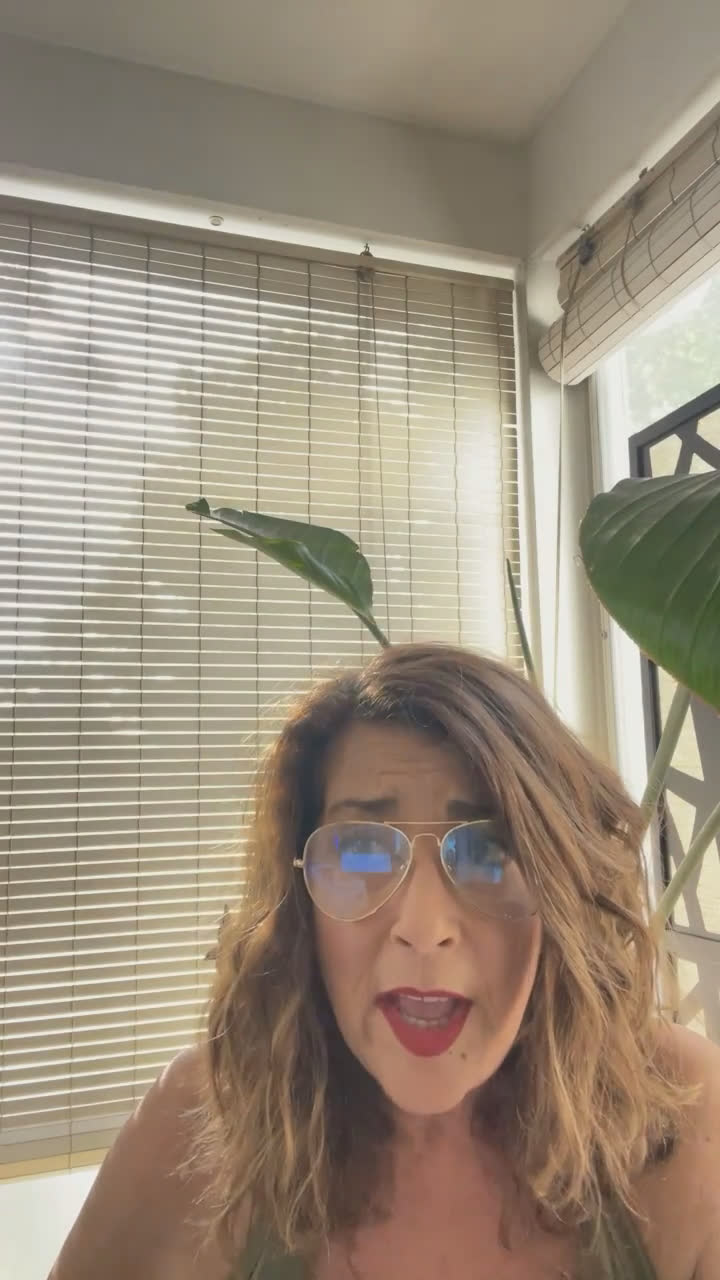
Well, hello, everyone out there in our Cadre sphere. I am Tiffany Norton. Welcome to Comedy Centered. It is Sunday. It is our livestream. It's also Memorial Day weekend. I know a lot of people are out celebrating, so that's great. That's awesome. In fact, around here, at least in Minnesota, the sun just came out. It had been rainy and dreary, which is usually kind of the case on Memorial Day weekend around here. So I'm glad that the sun popped out for a minute and we're kind of excited to see it around here.
Hey, Chris, thanks for joining. We're just gonna get started. Alec and Jules. Hey, guys. Welcome, welcome. Happy Memorial Day. I wanted to talk today about gray area drinking. I'm not sure. Hi, Colleen. And if you've heard this term before, certainly you can chime in on the chat, but gray area drinking. It's funny how I've learned to diagnose myself. Hey, Jules. In reverse on a lot of stuff. And in retrospect, I was doing a lot of gray area drinking for a while. But let me. Let me get. I'm jumping all over myself again like I normally do.
Right. Let me get right into. Hey, Colleen. The definition. So obviously alcohol, right. Is really, you know, it's something that's super grain in our culture. We love it. It's how we get together. It's how we celebrate New Year's Eve, right. So there's a strong cultural association with groups and gatherings and all that kind of stuff. Right. But alcohol is one of those things that can be really tricky. And there's been a lot of research, and a lot of the research that's been done in the past is now getting a second look, now that we've got a little bit more information.
1% of Americans. Now this is Americans. I'm not. I'm not going. I know that we are national and you can be chiming in from wherever, but these are american statistics. 1% of us fall in between the two drinking categories of non use and abuse. Okay, so there's 29% of us that fall in this middle range. And there's a larger percentage of people that are abstinent from alcohol than a lot of times you would think. Right. And of course, you maybe have heard this before, but it bears mentioning what is the recommended maximum allowance for men is no more than two drinks a day, never to exceed more than 14 drinks in a week.
And for a woman, it's half that. But one of the things that they don't really get into, the fact is that if you really bottom line it and go all the way to the end of every one of these studies, there is no healthy amount of alcohol. Your body is not designed to break down and process ethanol, which is essentially, you know, the. What most alcohol is. Right. We've heard. I remember my grandfather was so excited when his cardiologist, now, my grandfather had had three or four heart attacks at this point, told him that a glass of red wine could.
Would be good for his heart at night. Cause he was very upset that he was told by his cardiologist he needed to give up his two brandy Manhattans at night. And the. So he would drink a glass of wine. It was a very large red glass of wine that he would sip. Right. Well, so we all remember that. We all kind of. Ooh, okay, right. Oh, well, then it's good for my heart. Yeah. But it actually, the benefits of that are completely negligible when you weigh the fact that even people that regularly consume as little as one drink on a daily basis can be kind of increasing their odds for cancer, which I certainly didn't realize.
I didn't think cancer was from alcohol. I didn't know that. These are the things we learned. Hey, thanks for joining. I'm sorry, I can't see the. I can't quite. Quite read. Oh, liquid, liquid. Little bomb. I love it. Thanks for coming in. Okay, so you're considered low risk on your drinking if you are below these levels. Right. The two times a week for guys or two times. Two drinks a day for guys, one for women. Right. Okay. So here's some signs, though, that maybe there might be some gray area drinking.
Gray area drinking is drinking that does not rise to the level of being alcohol misuse disorder or abuse. But it's when. Gray area drinking is when you start some of these behaviors that are coming out of you, and some of these actions while you're imbibing are affecting your real life. Maybe there's a consequence of miss deadline at work or you're hungover and you don't feel like taking the kid to little league or, you know, your spouse is upset with you because you're not able to help on Saturday morning like you promised or something like that.
Right. And often, for a lot of people, there's so much shame. Right. About discussing your use that, at least for me, it started as this little thought in my head, like, you know, waking up in the morning and feeling guilt before I felt anything like, what did I say last night? What did I do? Right. But that's not really gray area drinking. Gray area drinking, for the most part, is you're not getting inebriated. You're not getting drunk. Drunk. Right. But you may occasionally binge. This is a person gray area drinking can often mask.
As somebody who's a completely regulated drinker, they can go long periods of time without alcohol at all, but maybe they go three months without alcohol. But then when they do have the alcohol, they have a lot or too much or, like, they save up, but they get kind of, you know, a little bit blitzed, you know, those couple times and whatever. And so. And in and of itself, that isn't necessarily a problem. Obviously, we have to be sensitive and concerned for the fact that you could be putting yourself at risk and others if there was, like, a vehicle involved or something like that.
But aside from that, just aside from you bothering and hurting your, you know, your own self, you may go your whole life and it's not a problem. But if you've been drinking kind of in the gray areas for a while and then something major happens in your life, like, oh, I don't know, maybe a worldwide global pandemic or something, those demons you might find have rooted a little deeper than you thought. You know, where maybe you were getting. You know, you. You used to drink just socially, and now you're like, well, now I really want to drink it to feel differently.
Not to, like, feel part of the group, but to actually feel differently. So science has got some interesting information about this as well. We've discussed. There's a. There's a gentleman named Gabor mate who I am a huge fan of, and I encourage everybody to do. Look into his research. He's a well accredited and recognized psychiatrist and all that good stuff. He's got all the degrees. And he talks about that, generally speaking, misuse of any chemicals, alcohol included, that over time becomes abuse, is generally, at least initially, an attempt to solve a problem, to regulate something.
And what they're finding now is that people that are born with lesser levels of some naturally occurring chemicals in their brains, you might be inadvertently reaching for alcohol, reaching for some of these things, not because you're a bad person, not because you don't have willpower, not because you don't realize it's not a good idea, but you might actually be suffering from some kind of a chemical imbalance. People that have, for example, naturally lower serotonin levels, they are somebody who may say, I drink to have fun.
Okay. Someone who's got low dopamine levels might say, I drink to engage with others, to connect and get my dopamine there. Serotonin people might also say, if you're low on serotonin, serotonin is the chemical that helps regulate your anxiety. And dopamine is the feel good. Right. The dopamine is the ding when you get likes on your pose. Dopamine is the putting things in your shopping cart, those little dings. But if you're noticing why you're craving the alcohol, it can actually kind of. If you're like, I'm so stressed, I need a drink because my anxiety is through the roof.
That's probably true. Your anxiety is probably through the roof. And the reason why maybe the alcohol seems like a good choice is it might be a deficit of serotonin. I'm not a neuroscientist, obviously. I just share the information I found. So gray area. Drinking all of these things can be fine. And it's just like we were talking a couple. Well, I always say, like we were talking. This is obviously kind of a one way, one way conversation. But the topic of motivation and willpower versus willingness, and you can't use willpower to change brain chemistry.
I don't care how. I don't care. I don't care if you're David Blaine or some kind of other famous magician. You cannot do that. You can't. You can't. You can't will yourself into being less needy of serotonin. You know? So you have to give yourself a break. And then remember that maybe while you're craving some of these things, it's because your brain is missing those receptors and missing that. Missing that good chemical. Right. So what are some healthy ways that you can increase your serotonin, increase your dopamine?
Well, of course, it's gonna be all the not fun things. Oh. It's eating right and exercising and all the stuff I don't want to do. I don't want to hear that. Oh, hey, thanks, Alec. You know, but. But it is true. So, one thing I found to get a lot of dopamine. I got a lot of pleasure out of last, and I have a lot of anger to work through. But that's a whole nother. That's a whole nother live cast. Right? But gardening was great for me, just pulling weeds. And I would, like, chant to myself, every time I pull up a new weed or a new root, I'd be like, dopamine, dopamine, dopamine, dopamine dopamine.
It's dumb, but I had to think of myself and try to, try to, try to make my dopamine hits based upon results. And gardening is great because there's immediate gratification. You can see it happening. You know what I mean? As it's happening. Hey, Anna, thanks for joining. Great to see also, by the way, great to see everybody last week at our Cadre respect event, which was really, really helpful, insightful, and talking to some of these, these experts in their fields. It's really kind of exciting to see the growth and the potential of really accessible mental health and community for people because, gosh knows, we, we could use it.
But I think that covers a lot of. Right. The gray area stuff. But here's, let's get to the, this part. Can you treat gray area drinking? Absolutely. Absolutely. You can treat all kinds of drinking. Part of your treatment might be that you make the decision that it's best to just not do it anymore. Right. But if you're here because maybe you're sober, curious, maybe, maybe it's not a problem. But that voice has, maybe there's been a warning. Maybe your gut is saying this, this feels like I'm maybe not doing something that's in my best, my best frame of mind, you know?
So, yes, it's treatable. I really encourage you to reach out to community groups. I know that a lot of people, myself included, did not feel comfortable going into a twelve step or an aa. There are, you know, places like Cadre that you can do meetups. There are other tools you can utilize, reach out. You know, if you, if you have questions and stuff and want book recommendations and stuff like that, I can certainly give them to you as well. But you're not, when you're gray area drinking, you are not alcohol dependent, but what you are doing is you're starting to mentally depends on the relief.
And alcohol is really good at that. I mean, that effect is now, you know, and as we say in recovery, it's hard to get enough of something that almost works, you know, and your coping mechanisms, like maybe using alcohol or other things, those are going to work for you until they don't. And then all of a sudden something, you know, at least for me, something happened and it went from gray drinking to black, and I had to make a choice. You know, I chose to not do that anymore. At least I've chosen it for today.
And I'm always mindful that another terrible thing like that could come along at any minute. Right. And then I'll be tested again. But that's why I'm so glad. And I look forward to every week coming to this little meetup, you know? Like, we got to have a nice. I think, Jules, is it this week, or is it next week? When you have your sobriety, your one year? I know it's coming up, and it's fantastic. And you and the people in your life sometimes don't understand how big those wins are. But believe me, people that have gone through the quitting and the cold turkey and all of that and the doubts, we know how hard that year was and how well you deserve to celebrate that.
So, the other thing I promised you, with some good mocktail choices, you may be going to barbecues and socializing, and you're thinking, hey, you know what? I don't have a drinking problem, or I don't want to drink today. Or maybe I'm just looking at my relationship with alcohol, and I'm thinking, I'm gonna. I want to feel social. I want to do something fun. I want to be in there. Oh, next week. Next week is our anniversary. Gay. We're gonna have a party for you. Well, virtual party. I don't know what.
We'll figure it out. I'll buy a hat. I'm always looking for an excuse to buy a hat, but so I. For me, it was so crucial. Like, I still call it. I have my emergent, my emergency. These are my emotional support beverages. My emotional support. Diet Cokes. I will never not have a Diet Coke near me, especially in a social event, because, for some reason, having something in my hand really, really helps lower the anxiety. I don't know why it sounds dumb, but it just does. So, here are some recommendations that I found that I think are delightful.
You. And there's. I want to give you a couple restaurant recommendations. We'll do that next week. There are some dynamite mocktail places that are popping up throughout the twin cities now, while you know about them. But obviously, they'll be closed tomorrow because of Memorial Day, and you won't be able to go to the store and get any of their mocktails. So if you have not tried yet. Athletic brewing. Athletic brewing was one of the first ones in the country to really say, hey, we want to make a good tasting na beer.
And I will tell you what. I am somebody who spent a lot of times, not so much because I was a beer person, but all my friends were really into the craft beer deal. And I have had so many ipas, so many mosaics, so many different types of, you know, pale ales and all that. These taste like beer, like a good beer. And I didn't think that they would work. I didn't think that that bait and switch would. Would actually do anything but the taste of the beer with everybody else having a beer, and I'm having the conversation, somehow my brain fell for it, and I did feel relaxed, even though I didn't have any alcohol in the drink itself.
And so, I don't know, there's something behavioral. I don't know, something about group dynamics. Maybe we'll have to jump into that or something. But having something in your hand will help reduce your anxiety. I also recommend buying, making it a party for yourself. Bringing a little tiny travel cooler that's just yours. You got your little ice packs, got whatever your little beverages are that you want. There are a couple of different brands of hoppy water or hop water. I also really, really enjoy the Laguna.
I think it's laguinta. I think hoppy water. I love it. And some of the non alcoholic rose and wines are fantastic. And then if you're, like, normally the girl or boy who shows up with the wine for everybody to try, they're fabulous ones. You can still bring the cork. You can still bring the bottle. You can still have the glass. It's still. You just lost ethanol. Just less ethanol. That's all. Less hangovers, right? Less calories, all that good stuff. But, oh, my God, the time flew by. Thank you so much again, everybody here, for, you know, popping in.
I would love to again, of course. See you next week. I'll make sure I get. And maybe I'll share it this week. I think I will make myself. I'll write myself a note. Some of the mocktail restaurants that I found around town that are fantastic. It's. I love a good mocktail. Now. Kind of live for it, everybody. You know, it's Memorial Day weekend. Obviously, this is the time to remember our veterans, men and women that have served and have. And are gone. And in my family, we, many of us are not. Myself, um, were military people, and I know that my military family, uh, they also have a lot of stuff, um, with regards to misuse, support, things of that nature.
And, um, I just never want people like my brother, who is a disabled vet, even though Memorial Day is for the soldiers that have been passed, you know, just remember, we've got to be here for the soldiers and the men and women that help us as well, because they get also a tremendous amount of stress and a lot of pressure to, you know, drink and escape that stress. Like, we all are, right? We're all just floating around on a rock. We're all just winging it out here, right? Have a wonderful memorial day weekend.
Stay, stay safe and have fun at the barbecues. Save me some potato salad. If anybody brings a dish that has raisins, that's not acceptable, and you can say that. Have a great weekend.
Reactions and comments are for members. Joining is free and takes a minute.