A series finale that outlines a vision for living with chronic pain and reviews the 15% Better approach. It covers mindset shifts, mindfulness/diffusion, focusing on controllable actions, and building relationships through vulnerability, communication and boundaries.
Welcome back to 15% better my series on managing chronic pain and chronic illness and this may be the last time I ever speak those words because this is the last video of the series and I thought I would call this my vision for you. Even though I don't know you personally I feel like we're connected and we've been through a lot together even though this is indirect you and I share a similar experience that is we've suffered with chronic pain or chronic illness. Or maybe you know someone who has and that's why you're watching this video and want to help them.
But either way we've gone on this journey together I really appreciate it now let me share with you some of my final thoughts. As we all know there's not necessarily a magic wand to rid us of our chronic pain and chronic conditions. Some of us may be so lucky that there is a cure or significant treatment but even if there is often it takes a lot of time to get there and it takes learning how to navigate the medical system to find that. Even though our conditions are different there are some things that are always going to be similar.
Whether it's with our chronic pain or mental health or anything else in general it's all about identifying what is in our control and being able to focus on that. Because anyone who has chronic pain knows that one of the hardest things is this loss of control also grief and loss over the things that we can no longer do. And it's so easy to dwell on those things so hopefully in watching these videos you found some tips, tricks, some new coping skills to be able to better cope with whatever situation life has thrown at you.
So to recap everything we've learned this series 15% better is all about a starting point. Though 15% may seem small and insignificant I promise it's not when we've struggled for years and years or months however long it's been with chronic pain. Any improvement is significant it's just a starting point so I want you to keep practicing these skills and with that I'm going to share my hopes for you and watching this series. My first hope for you is that you work to change your mindset to have a different view of chronic pain to reframe some of the negative thoughts that continue to cycle through your mind in regards to your condition.
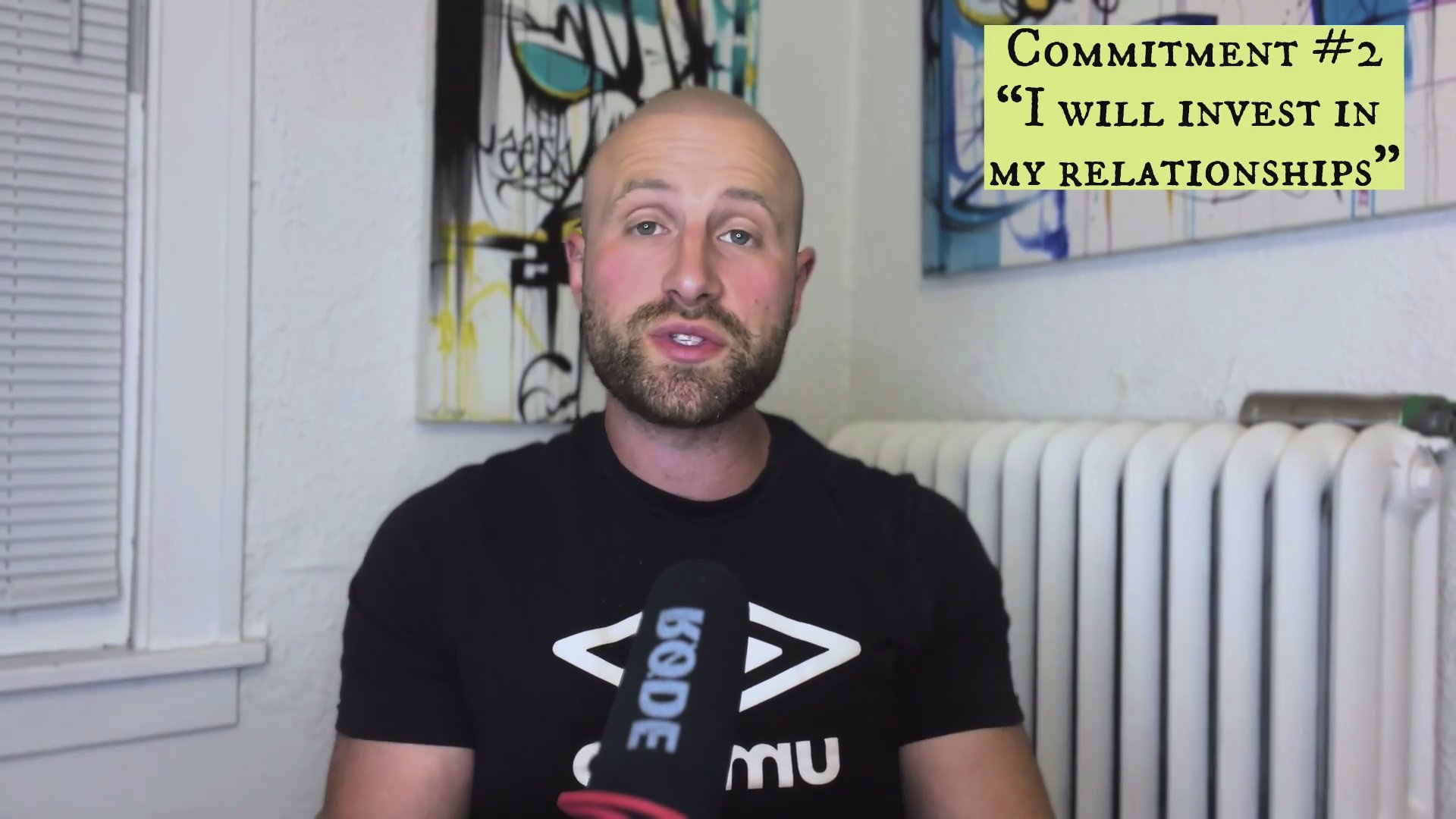
To use mindfulness exercises like diffusion to give yourself a healthy separation from those thoughts and physical feelings you experience. My next hope is that you take steps to invest in your relationships, try to take a different approach, be more vulnerable, be more authentic, let other people in, form new connections with supportive people or other people who have been through the same thing you have. Learn how to use those communication skills, practice them, learn how to set boundaries with other people in your life around chronic pain and the other things you struggle with due to your condition.
Again the quality of your relationships is one of the best predictors of how happy you are so take a different approach and I hope that it yields the same results it did for me. My next hope is that you don't give up on treating the actual condition you have even though we've been frustrated even though we've hit dead ends left and right. Try to find a provider that you trust if you keep trying, there's likely a treatment out there that could be significantly impactful and who knows you may find something that actually treats the condition and helps you move on from this really difficult time you've had in your life.
So keep trying different treatments, don't give up and work towards your ideal of health. Number four I haven't talked about in great detail but that's finding gratitude in your life. Finding things that you're grateful for could be a great way to help change your perspective and it could be frustrating, it could seem cliche when other people tell us to find gratitude, but there really is something to it and hopefully hearing it from me, someone who's been through it as well, gives you a little bit more openness to trying it.
Now I like to do certain gratitude practices like writing down five things, ten things I'm grateful for and every night trying to find something different. However, don't just write things down that you think you should be grateful for , really internalize it. Think about the gifts that you've been given, think about the opportunities that you've had that maybe others haven't. It's really easy to focus on all these things we don't have, on all these things that we've lost and that really is a recipe for misery.
So really try to find gratitude wherever and whenever you can, I promise it helps. I believe number five may be the most important and that's finding a sense of purpose in your life despite having chronic pain or your chronic condition. It's really easy to feel defeated when we lose the ability to do the activities we love that can put us in a really dark place. I know I was there and that's the whole reason why I create content. This was an activity that I love, the scratch, the creative itch I had that I probably would have never done before.
If the chronic pain I had didn't force me to find something that I was able to do, it's important we find meaning for our pain and suffering. And if you can, channel all that pain, all that hurt and put that into something that you really love and enjoy and if possible, maybe make it something that benefits other people. The last thing I'm going to suggest for you is an exercise. I want you to tell your story. Just like I did in that video where I told my story of my condition, that's something I've never done before and there's something very cathartic about that.
We all write our own stories, we all have these different narratives in our mind. So I want you to identify that narrative of the past, what have you been through? What are some of the things that you've struggled with? What are some of the stories you've told yourself that have made you feel bad about your life in regards to chronic pain? The second part of the exercise is focused on the present and the future. Like I mentioned, we all write our own stories. And that story that you just wrote does not have to be the story of the future.
What I want you to do is create your own reality. I want you to write down what you want your future to look like. I want it to be within reason and within grasp. I want it to be realistic. I want you to be able to believe that it's something that is possible just like we did in the reframing exercise. But instead, I want you to rewrite your story. And with that, I want you to make certain commitments. If you've made it this far, I really hope you found something no matter how small that helps you on the path to healing.
Whether it's 15% or 50% better, you deserve to live a better life despite your condition. And even though I don't know you and were parting ways, I truly wish you the best on your healing journey.
Reactions and comments are for members. Joining is free and takes a minute.