After filming the last video of this habit series, I thought it could be beneficial to have a quick summary of the content. So whether it's to drive home the main points at the end of watching the series or you want a short refresher course later in your journey, check this out!
The host explains this is a bonus recap of the Change A Clock series and that viewers should have watched the full series for context. It sets expectations for a concise refresher you can return to later.
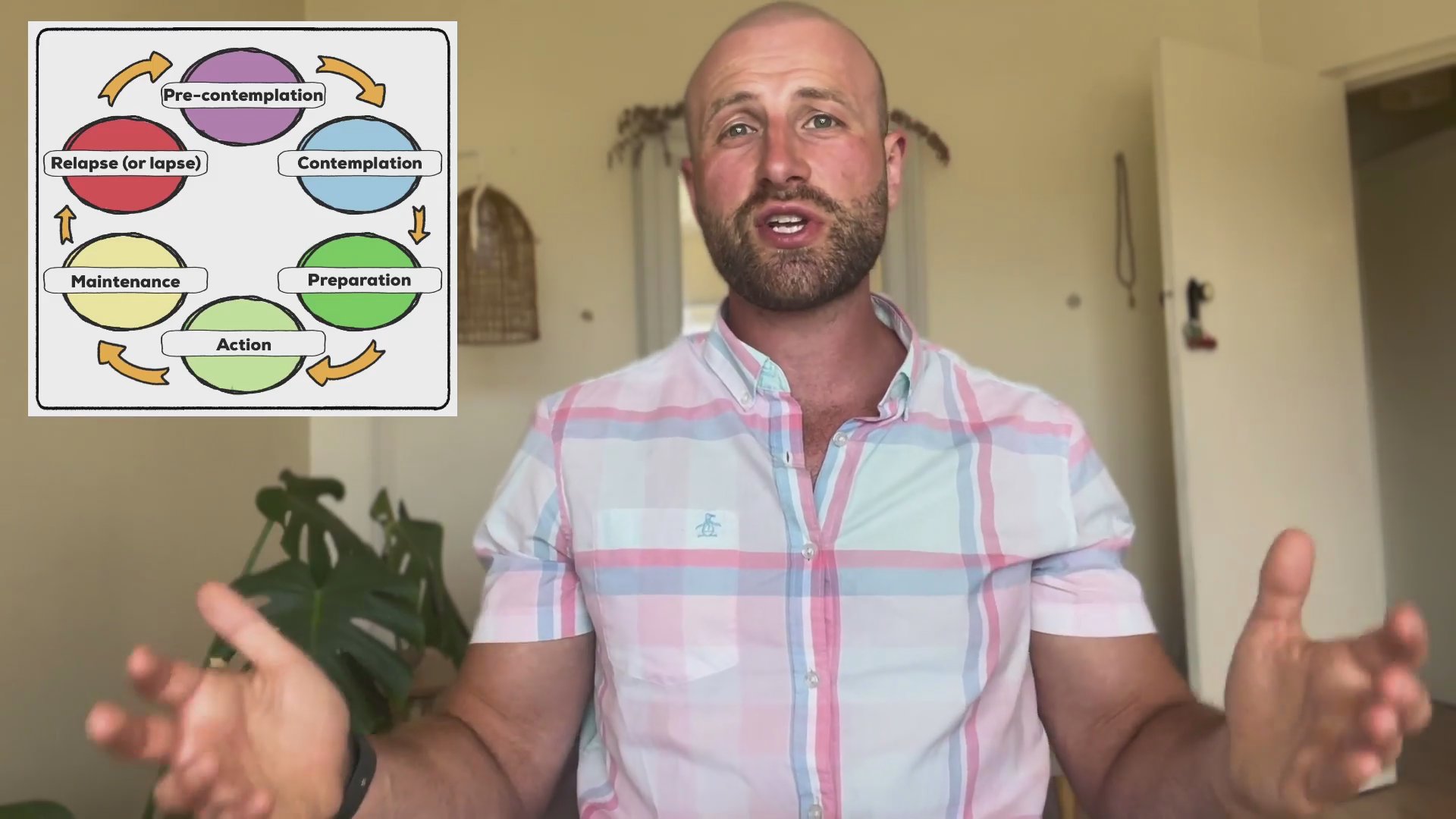
A clear walkthrough of the stages of change—pre-contemplation, contemplation, preparation, action, maintenance, and relapse—highlighting when motivation matters and how to respond to setbacks. The chapter emphasizes not beating yourself up after relapse and adjusting your plan.
This section explains the habit loop of cue, routine, and reward, and recommends removing the old routine while finding a new one that provides the same reward. It notes new behaviors may feel weaker at first but can become craved over time.
Introduces the habit tripod and focuses on motivation—using pros and cons to tip desire toward change during contemplation. The host urges reflecting on negatives of the old behavior and positives of the new to build momentum.
Covers the preparation stage where you anticipate cues, replacement behaviors, timing, and deadlines. It emphasizes planning for difficulties and being ready to adjust the plan as new challenges arise.
Explains the accountability leg—telling others for support and motivation—and the goal of eventually self-accountability. It also places a firm personal commitment on top of the tripod as a declaration to sustain change.
Reminds viewers these methods help avoid and recover from relapse so they can enjoy lasting benefits, then offers encouragement and best wishes for applying the tools. The host closes with a hopeful send-off.
What's up cadre folks? This is a bonus video in my series, Change A Clock. And the reason I wanted to do this is because there was so much detailed information throughout the series on how to change habits and routines. So I wanted to make a shorter video that you could come back to and just give yourself a refresher course when you need one. Before we start, just remember you really need to have watched the full series for this to make sense. Let's go ahead and start with the stages of change model, beginning with pre-contemplation, essentially saying that this is when you're not ready to make a change or you just don't have the desire to.
Then you have the contemplation stage, which is so important because now you have an opportunity to increase your motivation because you have a desire to make the change and you just have to build up enough to take those first steps. Then you have the preparation stage of change where you're ready to start taking actions by getting ready to make the ultimate change of stopping the old behavior and starting the new one. Then you have the action stage of change where you actually discontinue continued the old behavior and started new ones.
This part is really hard because it's an adjustment, but just stick to it because soon you're going to be in the maintenance phase. And this is my favorite because you've made the change and you've sustained it. Now it's become second nature. It's not too difficult, but all we have to do is avoid relapse, which is the last stage of change. And remember, this happens quite often when we're forming a new behavior. We don't beat ourselves up about it. We just get back on the horse and readjust our plan based on what we just learned.
Then we have the next video which was all about the science of habit and here we covered the habit loop that happens in our brains first having the cue whatever prompts us in our environment to do the routine which is the behavior and for doing so our brain gives us a reward. So the key here is to remove the old routine and find a new routine that gives you the same reward. Now remember, it may not be as reinforcing, but your mind gets used to it and you start to then sort of crave or have the urge to do the new healthier behavior once you get into that maintenance phase.
Then we went to the core of the video, which is my habit tripod method for making changes. And the first leg of the tripod is all about motivation. And it's important to keep your motivation high no matter where you are in the stages of change, but this begins in contemplation. getting ready to make that change. You need to remember to think about all the negatives and why you're wanting to change this behavior and start a new one, but then also thinking about all the positives that are gonna come from making that change and tipping your motivation enough to get you to do that hard first phase, which is stop the behavior.
Then once you get into the preparation stage, it's time to make a plan. And this is when you're anticipating all the difficulties that are going to come with making a change. When are you going to have cues? What are you going to do when they come up? What are your replacement behaviors? When are you going to stop the behavior? What's your deadline? So these are all things that you anticipate in your plan and it could always change as you get new information and new hardships come to play. Then the final leg is having accountability and this is letting other people in your life so they They know about your change process and can help motivate you and also support you in the tough times.
And remember, eventually the goal is to hold yourself accountable to those new, healthy routines and replacement behaviors. Then sitting on top of the tripod, you have making a firm commitment to yourself that you're going to make the change and do everything in your power to sustain it. It's A declaration to yourself so that you really give it your all. And remember, at any point in the change process, you could always, well, just like you would a marriage commitment. So remember, at the end of the day, all of these variables are designed to help make change as effective and easy as possible so that we could avoid going back to the old behavior and relapsing because often it's hard to get back on the horse.
However, using these methods, you can get through a relapse and avoid it for the long term so you could really enjoy the benefits of the change you've made. Well, I hope you got something out of the summary, whether you're just watching it at the end of the series to hammer some of those main points home, or you're watching this as a refresher course. Look, no matter who you are or where you're at at the change process, if you use these tools, I know you can do it. Best of luck.
Reactions and comments are for members. Joining is free and takes a minute.