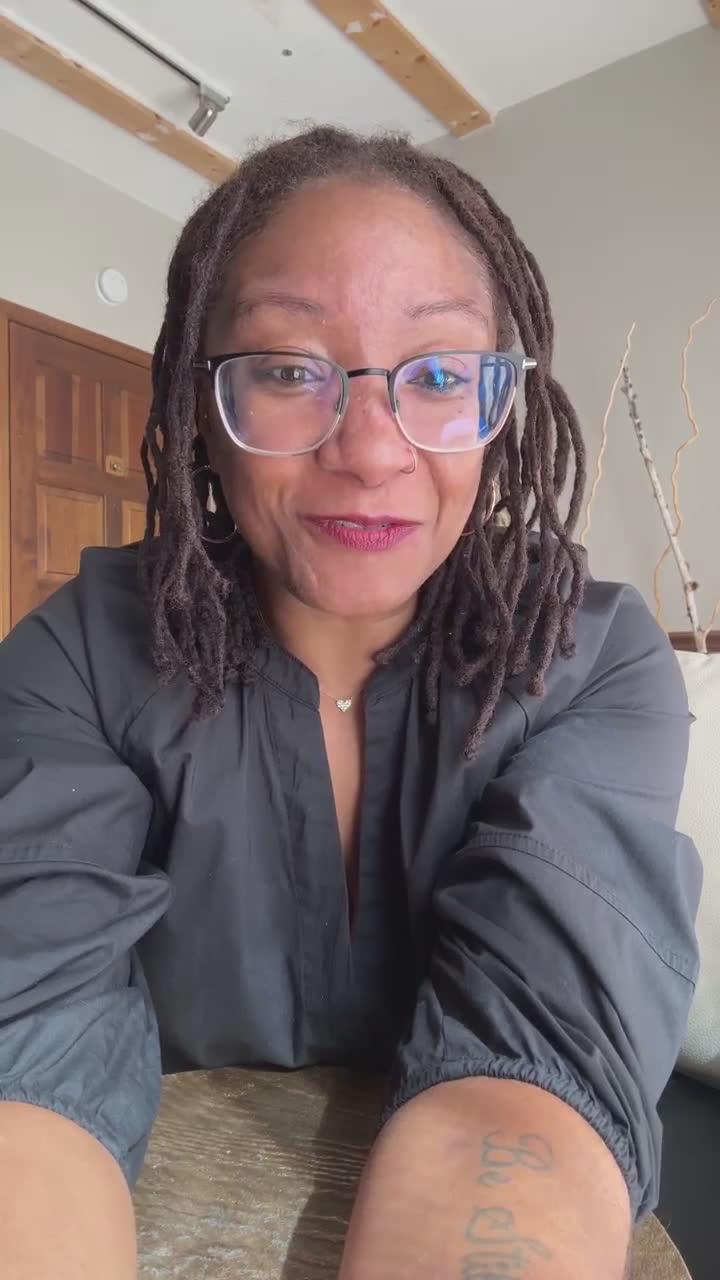
Coffee Chats with Dr. D ☕ Join Dr. D every week for real talk on relationships: romantic, friendship, or family. Come for the connection, stay for the reminder that you're never navigating this alone.
The host starts the livestream, apologizes for technical difficulties, and welcomes viewers to the coffee chat while introducing the day's conversation.
She explains this episode is part of Domestic Violence Awareness Month and shifts focus to what it's like to be an observer or bystander to domestic violence.
The host describes feelings of fear and isolation experienced by people in violent relationships, explains why leaving can be the most dangerous time, and warns that hurried interventions can unintentionally cause more harm.
She advises asking the person how you can help, offering listening and emotional support, providing a safe contact or space, financial assistance, or helping implement an escape plan when the person is ready.
The host encourages viewers to share safe strategies in the comments, notes there are no perfect answers, and reminds listeners about a domestic violence hotline that also supports concerned bystanders.
She previews the remaining episodes for the month, confirms the next meeting time, thanks viewers, and says goodbye.
Wow. Okay, guys, I think I'm finally live. It's me, Dr. D. I was having some issues again, but I'm here. So welcome to my coffee chat. And today I do not have coffee. I apologize. I was having some problems like with the countdown for some reason, but I am here and today we're going to jump back into our conversation. about Domestic Violence Awareness Month. This is our second week and I want to kind of flip the coin a little bit and talk about what it's like being the bystander, being the observer and experiencing domestic violence from the outside.
So if you grew up with domestic violence in your home, you might know exactly how this feels. But if that was never your experience and now you might have a friend or a loved one or a co-worker even who might be experiencing domestic violence, you might be curious like, well, what can you do and what should you do? And let me just tell you now, there is no perfect answer to that. There's no right or wrong thing to do, especially when you're there and you want to give support and you want that person to be safe.
But I will say that timing is a factor when you offer that support. So I just want you to imagine the experience of someone who's in a violent relationship. It can be very scary. It can be very lonely. And if that person ever confides in you and tells you what's happening in their life, you may want to step in right away and say, well, let me help you. But sometimes that's not the best thing to do right away. And I'll tell you why. Sometimes when you want to step in and provide support or you want to get that person out of that situation and maybe provide a safe place, that might trigger a few things.
One, it might upset the person that you're trying to help. They may not be ready to leave the person that's abusing them. And there's different reasons why that's the case. It could be for financial purposes. It could be out of fear of what could happen next. And that's also very true that things can happen very quickly when someone is trying to leave their abuser. And oftentimes that is the most dangerous time in their life. Because when that person that they're in the relationship with realizes that they no longer have control over them, they will try to amp up all their tactics to try to maintain a level of control and power over that person.
So if you're in the middle and you're wanting to step in and you want to help that person, you might be actually causing more damage. So just be mindful of that. But I will say this, if you are wanting to help someone The best thing to do is ask them how you can help. It might just be that you help them by listening to them, by being a person that they know they can call no matter what time it is to let you know, hey, I'm going through something right now. Can you hear me? Or can you at least comfort me for these brief moments?
And sometimes you might be the person that they turn to find other people to help. Maybe it's a financial support that you're offering. Maybe it's not just a listening ear, but you are a physical safe space for them. Maybe it's a matter of helping them implement their plan to escape whenever they're ready to do that. So just be mindful of when you want to help someone from the outside, that there's a lot involved in that and there's no right or wrong way to do it. But the best thing to do is to ask the person what do they need and how can you help?
Because what you think you might want to do may not be the best thing at that time. And unfortunately, I cannot see if anyone is joining. I did see a couple of hearts, but I think my connection is poor right now. So if you were here, just tap the heart button or put that little coffee emoji in me in the comments and let me know if this resonates with you. If you have suggestions as well, something maybe you've done in the past that has been helpful and safe to support someone who is in an intimate violent relationship, please put that in the comments because I think the more ideas we have, the better.
And just being mindful that sometimes we don't always have the answers, but there are some professionals I'll say who can help you. So I will remind you that there is a hotline, there's this domestic violence hotline number that is available that is not just for the person that's in the violent relationship. It can also offer support to you being a bystander, being the person on the outside when you're just trying to get information on how can you help. So don't be afraid to call them or text them.
All right, so I will see you guys next week and we will continue these conversations throughout the month. We've got two more to go. and I will see you next Tuesday, hopefully on time for our Cosre Coffee Chat, okay? All right. Have a good week, y'all. Bye.