Grief is a normal human response to loss. The only way to get through it, is to go through it. Ignoring the feelings or pushing them aside doesn't mean they go away. They'll stay inside and build up. Support and guidance help you get through it.
The speaker opens the session, notes technical details about going live, and greets participants to set the tone for the talk. This orients viewers and signals the start of the discussion on grief.
The presenter clarifies that grief applies to many kinds of losses — from death to job changes or diagnoses — and normalizes feeling grief in those situations. This helps viewers recognize that their emotions are valid.
The speaker explains that everyone experiences grief differently and that there's no set endpoint or checklist for 'being done.' This reassures viewers that varied reactions and timelines are normal.
An exercise is introduced asking viewers to notice their current feeling, name it, and then ask 'why' to go deeper. The presenter encourages regular practice to build self-awareness and learn to live with grief.
The host says she'll return weekly to discuss grief, reiterates the exercise for the week, and closes with encouragement to be curious, talk about feelings, and seek support. This wraps up the session and points viewers to ongoing support.
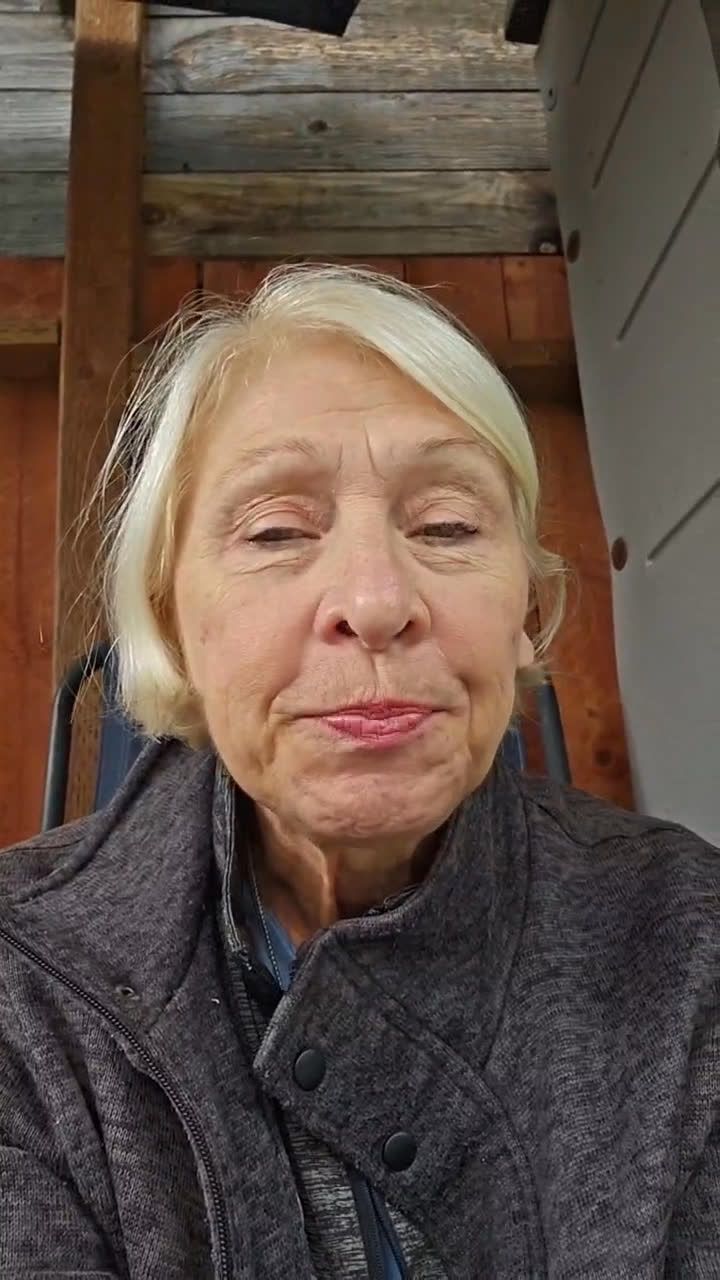
Oh my goodness, I'm live! Oh, I've been part of CADRI for a while and I have an Android and it's been a little difficult going live but now I think I am. And today I wanted to just talk a little bit about grief because we don't talk about it enough and that's why I want to focus on it here. I think that a lot of people might be feeling grief, but then they think, oh, my goodness. Hi, Davis. So thank you. Thank you. Thank you. So many people feel bad and they think, well, nobody died, so I shouldn't be feeling grief.
So just to clarify, grief is a normal human response to loss or major change, period. You're allowed to feel grief if you're going through a relationship breakup, if you get a diagnosis, an illness, if you lose your job, if you get laid off, if you retire, if you're going through a divorce, if you move across the country, if You're dealing obviously with the death of a loved one or a pet. All of these things are reasons to grieve. And everyone goes through grief in a different way. Everyone feels it differently.
There's no checklist. There's no, oh, I'll be done with this and then I'll be able to move on. different every time you go through it and it's different for every person. So there is no checklist. There is no done. You have to learn to live with grief. And that's probably the hardest thing of all. How do you live with it? There's an exercise I give my clients to do. And you might want to try it yourself just to become familiar with how you're feeling. Think about right now. Just say, how am I feeling right now?
How am I feeling right now? And come up with a basic feeling and then ask yourself this question, Why? That has you go a little bit deeper and become more familiar with your feelings. So on a regular basis you can say, How am I feeling today? How am I feeling right now? and let yourself feel whatever you feel. And then explore why you feel a certain way. Like if I wake up and I'm feeling sort of resentful or angry, why am I feeling that way? Well, maybe I had an argument with my husband that didn't get resolved or something like that.
Every Monday I'll be coming back here and I will be going live. I'll be talking about grief. I'll be talking about different things that you can do to help yourself. But for this week, just try this exercise. How am I feeling today? Or how am I feeling right now? And let yourself really feel it and think about why. You'll get to know yourself a lot better. and you'll figure out how you can live with your grief. So until next time, let yourself be curious, feel your feelings, and don't be afraid to talk about it.
That's what we need to do to help each other. Okay, that's it for today. I'm so happy to be live. Bye.