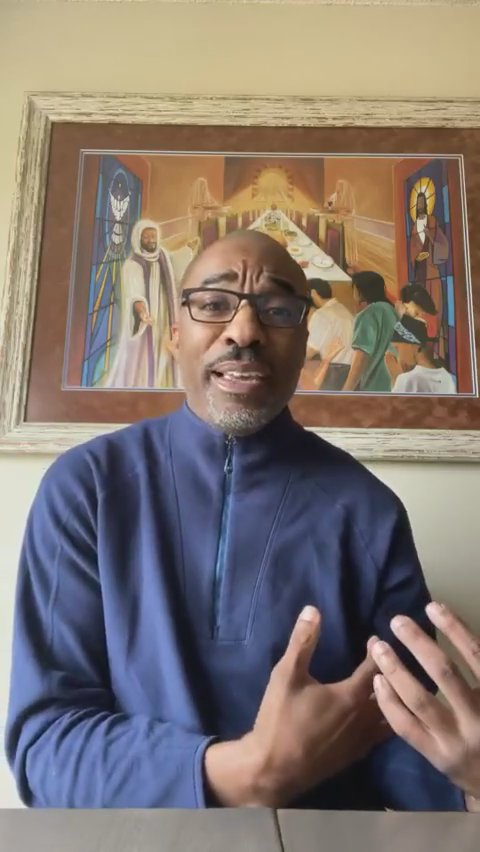
Doctor E discusses the importance of getting to know colleagues, using personal stories about growing up a latchkey kid to illustrate how understanding backgrounds helps leaders and teammates work together more effectively.
Doctor E: Get to know your people. The more you know about individuals, the more you might be able to understand how to work with them. Latchkey kids don't do well with micromanaging. Doctor E: I didn't know how to share my experience 20 years later.
Wednesday. Hope you are doing well. Hope your week is going well. Doctor E here wanting to chat a little bit with, I would say a little bit of encouragement, but more, more so. Some strong advice for you. If you are a leader, if you are an aspiring leader, if you are a colleague, a co worker that runs the entire gamut, and the encouragement is for you to know your people. Get to know your people, whether it's your teams, whether it's your department, whether it's individuals you work alongside or if you are on projects or any of those other kinds of things.
Get to know the folks around you and get to know the folks who you are working with. And the reason I say that is because the more you know about individuals, the more you understand their experiences and their backgrounds and where they come from, the more you might be able to understand how to work with them and how to get the best out of them and how they can then in turn, challenge and get the best out of you and how you can coexist and work together and network together and do all of those other kinds of things.
Very, very important that you get to know your people. Great story. Example of what I mean by getting to know your people. I grew up single parent household. Mother had me when she was 17, so I was latchkey, a latchkey kid. Excuse me. And by Latchkey, what I mean is I was pretty much left to my own devices because my mother constantly worked. She worked two and three jobs from the time I was six years old. And so I had lots of responsibilities. I had lots of things to do while she was at work, in between her jobs and while she got ready to go to her job.
So, for instance, you know, I would have to get up, uh, get myself up and get ready for school because she would already have gone to work. I would have to then come home from school, get things done, whether it's the kitchen, laundry, or all those other kinds of things. So she wouldn't have to do it when she got home from her first job, so she could go directly to bed to get ready for her second job. I would then have to wake her up so she could eat the dinner that I would prepare, so she could then go to her second job, have her bag packed, so then she could go to her third job and then not have to come home to then make it back to her first morning job.
So lots of responsibilities. Latchkey kid, left to own devices. All of those other kinds of things that experience one, for me was very difficult to share because I used to be ashamed of my upbringing. I used to be ashamed that my mother was a single parent mom who didn't graduate high school and had to do all of those other kinds of things. And I didn't have access to lots of things that some of the folks that I went to school with. So that's the first part. The other part is, I didn't know how to share that experience in a really constructive way 20 years later.
And so I would find myself in work situations and workspaces and workplaces and not feeling as though my experience was valued because no one actually ever tapped into it to get to know me or get to understand me. So if you know anything about latchkey kids, particularly those of us who were born or grew up in the seventies, and then you fast forward or you place us in a workplace situation, we do not do well with micromanaging. We do not do well with folks asking us questions about how we're going to do something where something stands, what's the status on something?
You give us a task, we go about doing it, we accomplish it, we bring you the finished product, and then we're on to the next thing. I did not understand, or I did not know how to share that. And so I would constantly run into issues and debates and conflicts with supervisors and managers because they didn't know me. And I never really felt like they wanted to until one manager or one supervisor took the time to ask me questions about my experiences and my upbringing, asked me questions about my mother and how close I was to her and all of those other kinds of things.
And the more I was able to talk with her, the more I was able to share, the more she was able to know best how to work with me and how to get the things out of me that she wanted to get that would help our team and help our organizations. And so I'm saying that as, or I'm using that as an example to really encourage you to get to know your people on an individual basis, get to connect with them on a one to one basis, and then also get comfortable sharing yourself or parts of you with those individuals so they can see sides and facets of you that they wouldn't normally see at a happy hour or over a quick lunch or over a cursory conversation.
That, in and of itself, to me, builds great team chemistry, builds great organizational culture, and also really, really models and sets the tone for how you expect folks to bring their full selves to work and how you can get the best out of them and how they can look to you as you get the best and you give the best out of you. So that's my and strong encouragement for today. Get to know your people, spend some time with your people and allow your people to get to know you. It'll lead to better culture, great team chemistry, and I promise you better communication overall and throughout.
So I'm doctor E. I'll see you next week.
Reactions and comments are for members. Joining is free and takes a minute.