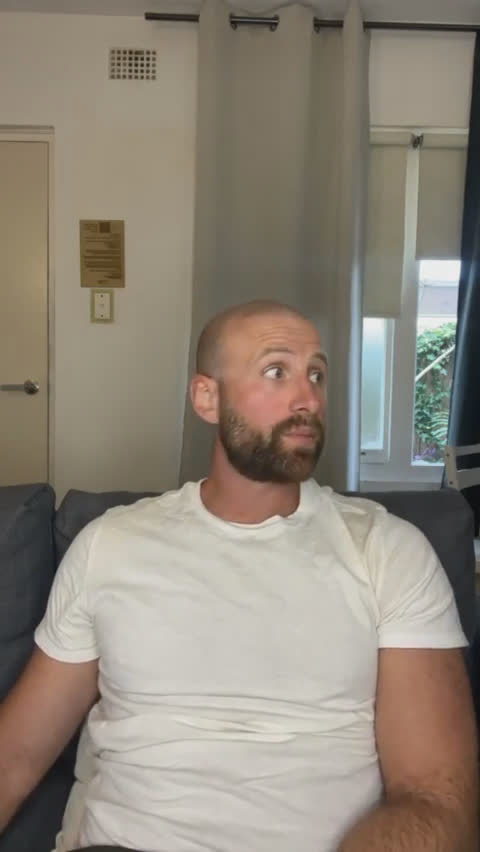
Today we are doing another episode of Mental Health Matters, except you bring the topics for me to answer. This usually makes for a lively and fun conversation, so come join and contribute your questions or experiences. Feel free to put any questions in advance on the community feed and tag me whether you are joining live or watching later.
Today we're going to be doing another episode of Ask me anything. Any question about mental health addiction we could discuss. Feel free to comment and then put any questions on. We will discuss that on mental health matters.
If I'm giving someone a diagnosis, I either need to share that with them or explain why. Make it more of a collaborative process. A lot of clinicians don't. Sometimes they don't share the diagnosis, because it could be awkward. But either way, it is ethical for someone to share.
A lot of therapists avoid it. But if you're seeing a therapist, especially through insurance, they're going to be putting a diagnosis on. For one, I think it removes some of the stigma. There's an ethical obligation, if we were giving a diagnosis, to explain it.
The most common personality disorder that will probably be diagnosed in a therapy office would be borderline personality disorder. There's three different clusters of them, and the most common would be cluster b. Not everything is very clean cut.
A lot of clients don't even know what they were diagnosed with. So therefore, it's, you know, impingent contingent, I need to do it right. Let them know, look, this is not forever, but this is just what we're going on.
Katie, I wouldn't diagnose anyone with a severe addiction as bipolar until they were sober for, like, a year. I'm skeptical of bipolar diagnoses in children, even adolescents. It's one of the most misdiagnosed disorders, and then it gets missed.
Folks with BPD much more likely to have addiction. Addictions be bipolar. One kind of makes you more susceptible for the other. It's kind of like the same breeding ground for both.
It's important to understand a diagnosis or your diagnosis. Having different folks have a different opinion, having them explain it to you, and then you could decide what's right for your health. You want to do it based on a kind of a logical framework.
What up, Cadre fam? Evan here, your resident mental health and addiction therapist. And this is mental health matters because mental health is important, and we're also going to be discussing matters of mental health. So I feel compelled to always tell you that little pun at the beginning. Maybe I need help for that. Anyways, hopefully the beacon is going out. Yes, it is. I got that notification. And today we're going to be doing another episode of Ask me anything. So any question about mental health addiction we could discuss.
So I brought a few questions that I pulled together from the Cadre fam and from other sources of people asking me questions or things that have come up in my practice. So let's go ahead and put this on. Do not disturb. There we go. So we could go through some of the questions, and if anyone is going to hop in here, you get some more questions, have a discussion, maybe you're watching this later. And for those of you who are, go ahead in the community tab of Cadre, tag me if you have any questions.
It's really helpful for me. Prompts some very good discussions. So if you have any mental health addiction questions, that would be awesome. Or you could comment on some of my videos. I get the notification, so check it out. I mean, I have a huge library of videos by this point. I'm not sure exactly how many on the app, but a lot created, about 100. So all sorts of different topics. So check out my videos and feel free to comment and then put any questions on, and we will discuss that on mental health matters.
So, without further ado, let's go into some of the questions. This one I really like. So I just got diagnosed with an unspecified personality disorder. I hate vagueness, and this made me upset. Okay, let me go ahead and validate that right off the bat. I find that, at least in my opinion, if I'm giving someone a diagnosis, I either, a, I need to share that with them, and b, I need to explain why. And hopefully that person would agree, but maybe they don't, and it's good for me to understand why they don't agree.
You know, make it more of a collaborative process. Now, I could diagnose someone with something and they say, nope, I don't have alcohol use disorder. Severe. I don't agree with it, but the objective information is there, and I can't just not put it or, like, make up some b's. But it's always good to collaborate on that. I find a lot of clinicians don't. They don't. Sometimes they don't share the diagnosis, because, I don't know, it could be, like, awkward. Maybe there's someone who just doesn't really believe in the importance of diagnosis.
But I do think either way, it is ethical for someone to share that. What's up, Katie? So Katie just hopped in, and Katie were talking about someone here who got diagnosed with the unspecified personality disorder, and they're kind of upset with it. So we're talking about diagnosis in general. Yeah. A lot of therapists avoid it. They don't want to have the conversation. But if you're seeing a therapist, especially through insurance, they're going to be putting a diagnosis on. And it's important to understand it.
For one, I think it removes some of the stigma, and it actually helps clients in a lot of ways because they. It takes away some of the shame and, like, maybe burden some of the self criticism of, oh, this is just me and my behavior, so it's better to, you know, understand that we don't want to use it an excuse for any behaviors or whatever, but. So, yeah, so I think, again, there's an ethical obligation, if we were giving a diagnosis, to explain it. My daughter has BPD. Good topic. Yep. So the most common personality disorder that will probably be diagnosed in a therapy office would be borderline personality disorder.
I'd say it's the most common. It's often viewed as a trauma response. And I basically view it as like a. You take like a very sensitive person. Person, maybe like someone who's. And it's not a bad thing, but, you know, maybe someone who's a little more emotionally sensitive. And then you throw some, like, trauma on top of that, addiction or whatever, and that creates a pattern of behavior that is extreme and problematic. You know, that's defined by chronic suicidality, self harm, emotional instability, problems in relationships, quick to react, anger, and it can be really difficult.
Right. So, you know, so a personality disorder is defined as something, a disorder that, or, I'm sorry, a pattern of behavior that is extreme and problematic in the context of one's culture. So kind of what society would deem. Right. It's extreme deviation from that. So that's one you most commonly see, and honestly, almost all the others as a therapist, you see very rarely others, and there's kind of three different clusters of them, and the most common would be cluster b, and that would be borderline personality disorder, antisocial personality disorder, narcissistic personality disorder, histrionic personality disorder with narcissistic personality disorder.
I truly believe I've only met or, like, came across really interacted with maybe four or five people who would meet that criteria or close to it, maybe a little bit more than that. And that's in my personal professional life, I think it's maybe more rare than people state. Others on the other side think it's way understated. But antisocial personality disorders, actually, it's fairly. That one is more common. You see that more in corrections settings. You see that more, you know, so that's kind of a pattern of behavior defined by, you know, violation of the rights of others.
So very, like, kind of criminal thinking, lack of empathy. So you could kind of go down some rabbit holes with that. As far as, like, sociopathy, psychopathy, we won't go too much into that. But, you know, with narcissism, it's kind of a pattern of behavior of basically thinking you're better than other people. Kind of obsession with status, self money, power, beauty. It's basically an insecure self love and obsession that creates a lot of, you know, also with a lack of empathy, there's a lot of cross.
So there's actually a lot of crossovers within that cluster. Then you have, like, histrionic personality disorder, which is like, a pattern of, like, superficiality. That one's always kind of hard to explain, but, like, kind of superficiality and maybe kind of dramatics and an intense need for, like, attention. So then I can only think of, like, a couple people I would even diagnose with them. Yeah. Case is tragic to watch. Yeah. So a lot of times. So that in that cluster. In cluster b, it's basically a pattern of.
Let's see, how is that defined? Oh, a lack of behavioral and emotional control. So lack of control over your actions and your emotions. And so not everything is very clean cut. So a lot of times you see overlap with those four. So in this case, with this client, you get diagnosed with unspecified personality disorder. Now, it could be from another cluster, kind of more of like an avoidant cluster or more of a kind of bizarre, you know, odd behaviors, kind of reclusive sometimes. So again, so the most commonly, you see things in cluster b, in those other clusters.
I maybe met one client that I could diagnose with avoidant personality disorder, one other client who would maybe meet the criteria for, like, a schizoid or schizoid personality disorder, which is like a pattern of, like, kind of like, oh, no, I'm sorry. Schizotypal. Sorry, I'm going down these rabbit holes. But that one would be like a pattern of kind of living in a fantasy world having kind of odd, obscure beliefs and kind of a little bit of a detachment from reality difference, much different than schizophrenia.
And then maybe one person, schizoid, I can't think of a single person, and that's someone who's maybe, like, very chronically, like, withdrawn, also kind of odd behaviors, and maybe there's other explanations for that. So this person. So again, I'm kind of making the case here that I think it's likely this person. Person got diagnosed with unspecified within the cluster b, let's just say, and we just use that as an example. So what is unspecified? Right. So there's a. Well, there's specifiers for every diagnosis, so that gives clinicians a little bit of wiggle room, because for every diagnosis, there's a set of symptoms and then there's criteria, meaning you have to have at least four, four out of ten, and it has to be a pattern of behavior for at least three months, six months, or something like that.
So it's like pretty defined. But let's say somebody really is having these problematic symptoms, and it's kind of a close call. Maybe they'll say, I can make the evidence for having three out of ten, not four or five out of ten, and I really think this person needs treatment. So maybe they present in a little bit of a less typical way. That way I could say unspecified, or maybe in this case, she meets some of the criteria for BPD, maybe some with little antisocial, I don't know, whatever that may be.
So it is kind of subjective, in a way. This person could go see five clinicians and get five different diagnoses. But that's why we have the DSM and the criteria to really. So I think if you have two really good, thorough clinicians that are following the guidelines, there shouldn't be all that much deviation. So it just depends on the questions that you ask and what you're looking for, you know? So it's like, in the assessments I do, I make sure that I'm screening for the most common mental health disorders that I see, because outside of those, maybe because I'm not looking for them, but, you know, pretty much the broad categories of mood disorders, like depression, bipolar, asking questions about that, anxiety disorders, which could be things like generalized anxiety, a phobia, panic disorder, also obsessive compulsive disorders, autism spectrum, even though it's a hard one to diagnose.
But I'm screening for that in case I feel that person would benefit from getting a more deep psychological assessment, similar with ADHD. I'm kind of looking for that. Eating disorders, compulsive behaviors, whatever that may be. Sexual gambling and substance use disorders. I don't know. Maybe I'm missing a couple within there. I mean, there's the thought disorders you see in things here and things that aren't there, you know, delusions. And half the time, if someone is in that state, they don't really know it.
You know, they think they're in reality. So it's a little bit, you know, more difficult on an outpatient basis to diagnose those. Anyways, we went down this extreme rabbit hole. So, anyway, in this case, you know, let's get down to the basis of it. If I were to give someone an unspecified. So in this case, maybe you would say, you know, an unspecified. Yes. I say like a personality disorder, unspecified. I can't remember if like one could even still do that. You know, you'd usually kind of pick one because it used to be like, oh, yeah, cluster b, which we don't have.
Well, no. Yes, we do. To like an unspecified cluster b. Honestly, I have to look that up. I can't remember if you can do that, actually. Yeah, I think you can. I think there's a code for it, but, yeah, then in that case, I would explain to the client why, and then it would probably take away a lot of the frustration. So if the therapist said, I'm diagnosing with borderline personality disorder, unspecified, and then this client could say, why? Because maybe she just saw it on her paperwork. And that's a problem when you don't share that diagnosis explained, and they see it later on their paper and, like, what the h*** is this?
I didn't know. A lot of clients don't even know what they were diagnosed with. It's mind boggling to me. I think it's unethical. So therefore, it's, you know, impingent contingent, I need to do it right. So I need to explain that to them. So if it was her, I'd say, hey, look, you know. You know, you meet some of the criteria for borderline percent, but then there's some other stuff here and here. Therefore, you don't fully meet the criteria for one. So let's just say unspecified for now. And we could change it later, because often when I first get to know somebody, the diagnosis could change later when new information comes out.
So letting them know, look, this is not forever, but this is just what we're going on. And, hey, some of this we just got to do for insurance purposes. I understand why you're upset. And I try to work with my therapist and the people I train to be sure that they're doing that. So anyway, the topic took up a big chunk. I think that's an awesome one. Let's see what else Katie had to say bipolar as well. Is that common to have both? Yeah. So this is a fun one. Yeah, you absolutely can. And, yeah, I think it's probably more common because especially when people are more manic phases.
Sorry. When people are in more manic phases, their behavior is extreme. And so often, depending on their personality. Right. It goes to these extremes. So if you kind of have borderline tendencies, it kind of ignites it. Now, I know with your daughter, she has a history of substance use. Actually, I would probably. Again, I don't want to go against her clinicians or whatever, because I don't know her situation exactly, but, like, I probably wouldn't diagnose anyone with a severe addiction as bipolar until they were sober for, like, a year.
If they were starting to have, like, manic episodes, around six months plus of, like, full abstinence. Because addiction looks like everything, even like, a personality. I wouldn't even diagnose a personality disorder. Maybe I would say provisional because I would say, look, I mean, this person in their active addiction, meets the criteria for BPD, and we should treat it as such, as if, you know, doing certain skills work that is targeted for it. But I don't know if I would even feel comfortable diagnosing them unless, you know, maybe before all that, before their addiction, they were having self harm and, like, chronic patterns that would be related to it.
So you got to be careful with that, you know, especially the. I think bipolar is actually, from my understanding, one of, in my experience, too, one of the most misdiagnosed disorders, more so people are diagnosed with it who probably don't have it, and then. So then it gets missed. It's a really complicated one. I'm curious here. Oddly, she was diagnosed when she was 13. I'm also kind of skeptical, personally, of bipolar diagnoses in children, even adolescents, honestly, because usually, like, the true blue, pure bipolar, you know, where you truly have these, like, extended manic episodes, tend to happen later in life.
And so BPD, the two BPD, and so borderline personality disorder, bipolar disorder, they could look alike. So a lot of people who have, like, I say, ADHD or BPD can have, like, manic like symptoms, and they could kind of have these, like, small periods, but really, it just doesn't have the same brain processes as bipolar. They're kind of maybe shorter lasting. So I think it gets confused because they may act in this up and down, and I think that's one of the biggest misconceptions of bipolar, is that it's like, up.
I'm up, and then I'm down. I have rapid cycling bipolar because I was up 1 minute and down. I mean, really, you have to have these very distinct phases that last a long time. I believe at least three days for a hypomanic episode. It's like, are they really, like, flying 100 miles an hour? They can't, you know, without substances involved. They can't sleep. They're like, have all these ideas, and they're, like, mildly or fully delusional. Are they having. Are they having delusions, hallucinations?
Not. Not always. Is that the case? It could be hypomanic, which is a little lesser form, but you would still see a lot of those behaviors as you're trying to, like, solve complex societal problems and convince that it's, you know, correct. That she's, you know, starting up businesses and crazy stuff. You know, like, that's what I would look for for days. Not just, oh, I was like, really, you know, amped for a day or an afternoon or a couple. You know, it's like. Because, like, again, a lot of things could look alike.
But I think bipolar especially is like a very fixed brain process. And. Yeah, so if you have bpd or ADHD substance use, I wouldn't. I wouldn't even go there. But the thing, though, too, is maybe some of the treatment could be similar if they're having, you know, extreme mood swings and stuff that may be a mood stabilizer that you would use for bipolar would also still be beneficial, but it doesn't mean they truly have bipolar. They could have the, you know, unstable mood. There's no, like, medication for borderline personality disorder, but you can give them an antidepressant or something, because usually it's accompanied by others.
And then with addiction, it just looks like everything. You know, addiction just throws everything off from a diagnostic standpoint. So I'd probably like, if I was diagnosing someone who's, like, in the throes of addiction, I probably wouldn't. I wouldn't do much except do a provisional diagnosis unless I was very sure. But again, that's just my opinion. Just go with whatever. All right, so let's see. BPD was later in life, rapid cycler. It's around five days. She was scrubbing the garage, a toothbrush, and then crash as sleeps.
So that was when she was 13, huh? Yeah. You know, was she using, you know, was this before she was using substances? You know, did this continue into her sobriety? Those are some of the questions I would ask, but I'm not like, you know, I've worked with a lot of adolescents, but I don't know, I think others are skeptical of it as well. But, yeah, I mean, that sounds like it. You know, if you have these, like, up and crash episodes, BPD, later in life. Yeah. I mean, again, that those would go very hand in hand.
Addictions be bipolar. You know, one kind of makes you more susceptible for the other. It's kind of like the same breeding ground for both, but, yeah, that's really interesting. And then that would make sense why she struggles with addiction, because folks with BPD much more likely have addiction. Folks with bipolar much more likely to have addictions. So it could make sense usually with women, I think it comes on later, like a lot of women, like, kind of that pure bipolar process comes on in their late twenties or later for men, early twenties, I believe.
Yeah. So it's interesting. Do we have any more questions there? Well, I don't know. I think that's enough. I could save some of these other questions for later, but I think this is just. I don't know, a topic I love. And I think it's important to talk about, especially for those who are in therapy or know others, it's important to understand a diagnosis or your diagnosis. Just like if you went to a doctor, and this is an example I always give, like, let's say I go to a doctor and they recommend a course of treatment, especially if it's something that's, like, invasive, like a surgery or something.
That doctor, I think it is on them to explain. Explain their rationale and justification for doing a certain procedure or a course of treatment. They should also tell you, like, hey, maybe, like, I had some doctors who were really good with this, you know, when I had my spine surgery, you know, they would say, okay, hey, like, I think for sure any doctor you go to is going to tell you the same thing, that you need this surgery. However, there's two, you know, we could either fuse to this level or this level.
I think we should do this level. Here's why. Here's why others would say this level. It's up to you. I'll do whichever in this case, because both are reasonable things to do. But here's why I think maybe you should consider, you know, doing it to this level, right. Versus a surgeon's. But yep. I recommend this. And, yeah, let's do this. You know, and then maybe even recommending getting a second opinion. So having different folks have a different opinion, having them explain it to you, and then you could decide what's right for your health.
You just have to decide what's right for your health. But you want to do it based on a kind of a logical framework. You know, of course you have to factor emotions into it, but you want, you don't. You want to, you know, it's like, I go to ten doctors, okay, maybe excessive, okay, I go to three doctors. They tell me one thing, and then I go to one kind of, and I keep shopping until one tells me something I want to hear. That may not be the best way to go about it. Right. So we really got to use, you know, critical thinking skills and also factoring in our emotions and what we, and what we want for our life and what works best for us and make sure we're making the best decision, especially if it's a big decision.
And having friends, family, those you trust in and as well, to help fill in any blind spots or help cut through that bias that you may have through your emotional reactions to stuff with your health. And so, again, it's imperative for us clinicians to do the same. And I could explain why to a client, and they could say, well, you know what? I actually don't. The way you're described, I actually don't experience it. This, this, and this way, I may change my mind based on their report versus my perception of what they initially said.
So I think it's important to have those conversations. And if you see a therapist and you don't know what your diagnosis is, just ask them like, hey, what am I diagnosed? Because the other thing is, like, you're supposed to receive a treatment plan after three sessions, and on that treatment plan should be the diagnosis. So if you're paying attention to that, and then I think this applies to most states, but if you haven't received and signed that treatment plan, that's kind of outside of compliance and what's required by insurance companies and state regulations.
So for therapy, it may be different. If you're just paying out of pocket, they're not using insurance, the therapists have a little more leeway, and they don't have to use a diagnosis. Maybe you just don't want that diagnosis for whatever reason. Some people say, yeah, I'm trying to apply for, like, a military contractor job or a pilot or something. And those folks may choose to just pay out of pocket. You know, that makes sense and they don't want that diagnosed. Okay. Yeah. So I don't know. It's a really good topics I love to talk about before sut.
This is great. Yeah. Thanks for participating, Katie. I'm sure others may be interested in this kind of thing too, if they have friends or family with mental health, diagnoses are important things to talk about and that is interesting, right? I got to factor in the information you told me, Katie, and maybe it changes my mind a little bit about the prevalence of bipolar in childhood and maybe look a little more into the research on that. What's the evidence and what are some of the outcomes of those younger people?
It'd be interesting to hear too. We could talk about later if she still exhibits those symptoms as an adult in recovery, you know, without substances. So anywho, folks, it's been awesome. Always good to check in with you and we'll see you next week. Bye.
Reactions and comments are for members. Joining is free and takes a minute.