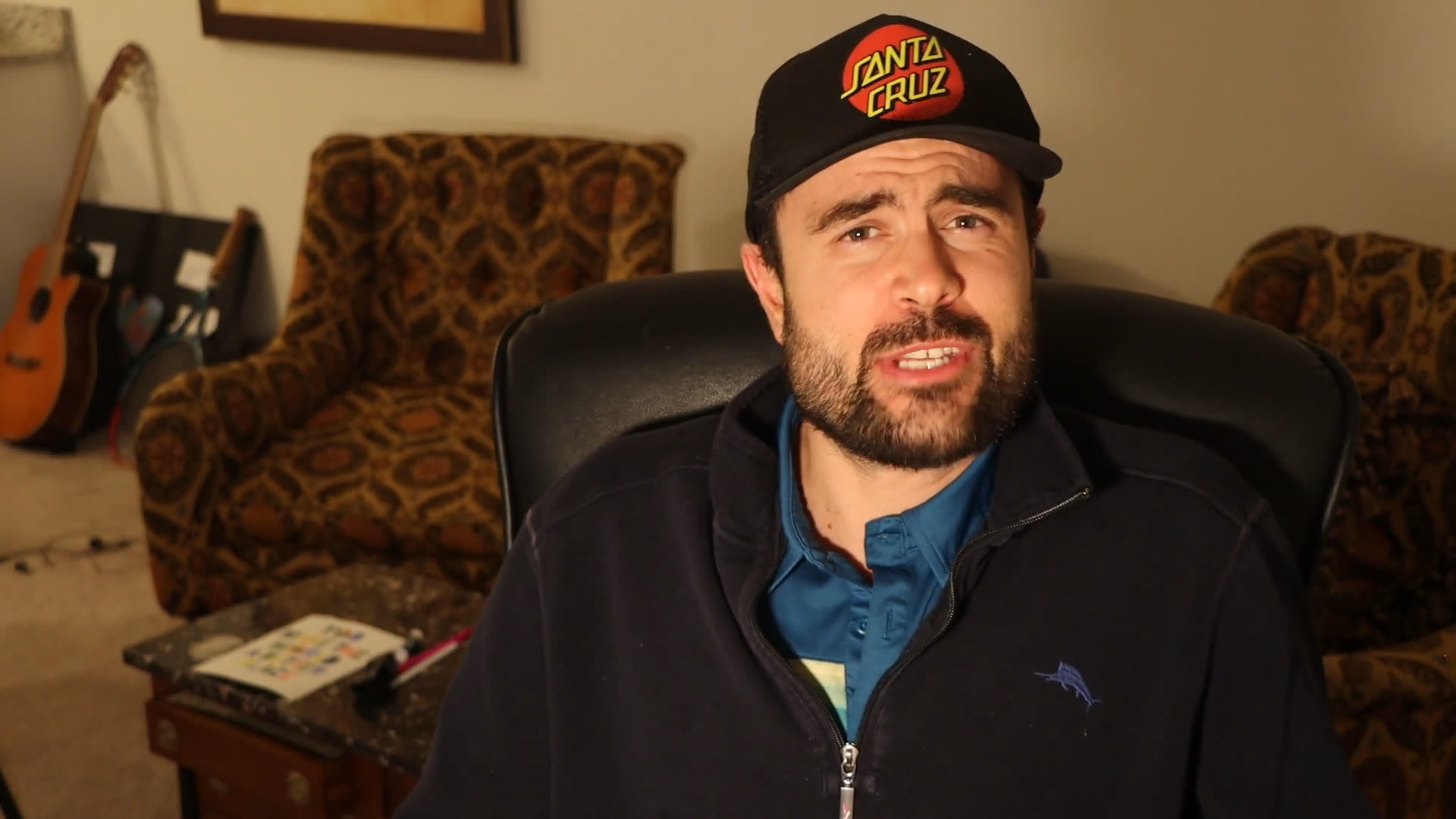
Do you want to write poetry but don't know where to start? In this video, Nick The Poet breaks down the basics of how to start writing poetry. From finding your voice and understanding the structure of a poem, to exploring different forms and topics, Nick provides an insightful guide for beginners.
Nick the poet explains how to get started with poetry. Follow these steps to let your creativity flow. Experiment with different forms and revise your work. Once you've written a few poems, it's time to share them with the world.
Hi, folks. My name is Nick the poet. I've been known to write a poem or two, and I wanted to tell you about how you could get started with poetry. So, have you been feeling an itch to express yourself creatively? Do you have a lot of emotions bottled up that you can't seem to articulate? Well, my friend, welcome to the wonderful world of poetry. Writing. Poetry is a cathartic and rewarding experience that can allow you to express yourself in ways you never thought possible. However, if you're new to the game, it can also feel quite daunting.
So if you're eager to unleash your inner poet but don't know where to start, you've come to the right place. Follow these steps to get started and let your creativity flow. Number one, read, read, and then read some more, right? So this is one thing that you can do that's going to help you become a better poet, right? Is just start reading some poetry. You know, see what Walt Whitman has to say about it, right? See what Emily Dickinson or William Shakespeare, you know, start reading these poems.
Jim Harrison. You can't necessarily write poetry if you don't know what good poetry looks like. So grab a book of poetry and just start reading. And once you find a poet that really resonates with you, study their work and try to understand what makes their poetry effective. So number two then is write, write, write. Just take out a piece of paper and just write some poetry. You know, rhyme a line. I went down to tie my shoe and I looked up at the sky and it was blue. Do you feel that rhyme, too?
Whatever it is, just start writing and find your inspiration, right? All poets have their unique source of inspiration. It could be a certain topic or feeling, or a specific experience. Whatever it is, find what speaks to you and use it as the foundation of your poem. It can be helpful to carry a notebook with you to jot down ideas or even lines that come to you throughout the day. Inspiration can come from anywhere, so always be open to the world around you. Number three is to experiment with different forms.
So poetry comes in many forms, such as free verse, haiku, sonnet, or villanelle, just to name a few. Dont be afraid to experiment with different forms to discover what works best for you. Each form has its unique set of rules and structures that can help give shape to your words. Try out a few different forms and see what feels the most natural to you. Number four is revise, revise, revise. Writing poetry is not always about getting it right the first time. Revision is a crucial part of the creative process.
Once you've written the first draft, go back and edit it with a critical eye. This can involve removing unnecessary words, rearranging lines, or tightening up the language. Don't be afraid to make significant changes. It's all part of the process of refining your work. So number five then, is to share your work. Once you've written a few poems, it's time to share them with the world. Whether it's with a trusted friend or through an online writing community, sharing your work can be an opportunity for constructive feedback and creative growth.
Don't be discouraged by criticism. Instead, view it as an opportunity to learn and improve your craft. So just start writing. Just start reading. Have fun with it. Don't need to take it too seriously. A lot of poetry is just expressing what's going on internally, and just the act of doing that can really feel good. And like I say, sometimes lack of expression can lead to depression. So just express that and congrats to you. As soon as you put that pen to paper, you've taken the steps towards becoming a poet.
Remember, writing poetry is a journey and there are many ways to evolve and improve your craft. Don't be afraid to experiment or try out new techniques. Most importantly, keep writing. With practice, patience and perseverance, you'll discover your unique voice and create works of art that resonate with others. So go on and unleash your inner poet. Have an awesome rest of the day. Talk to you later. Bye.
Reactions and comments are for members. Joining is free and takes a minute.