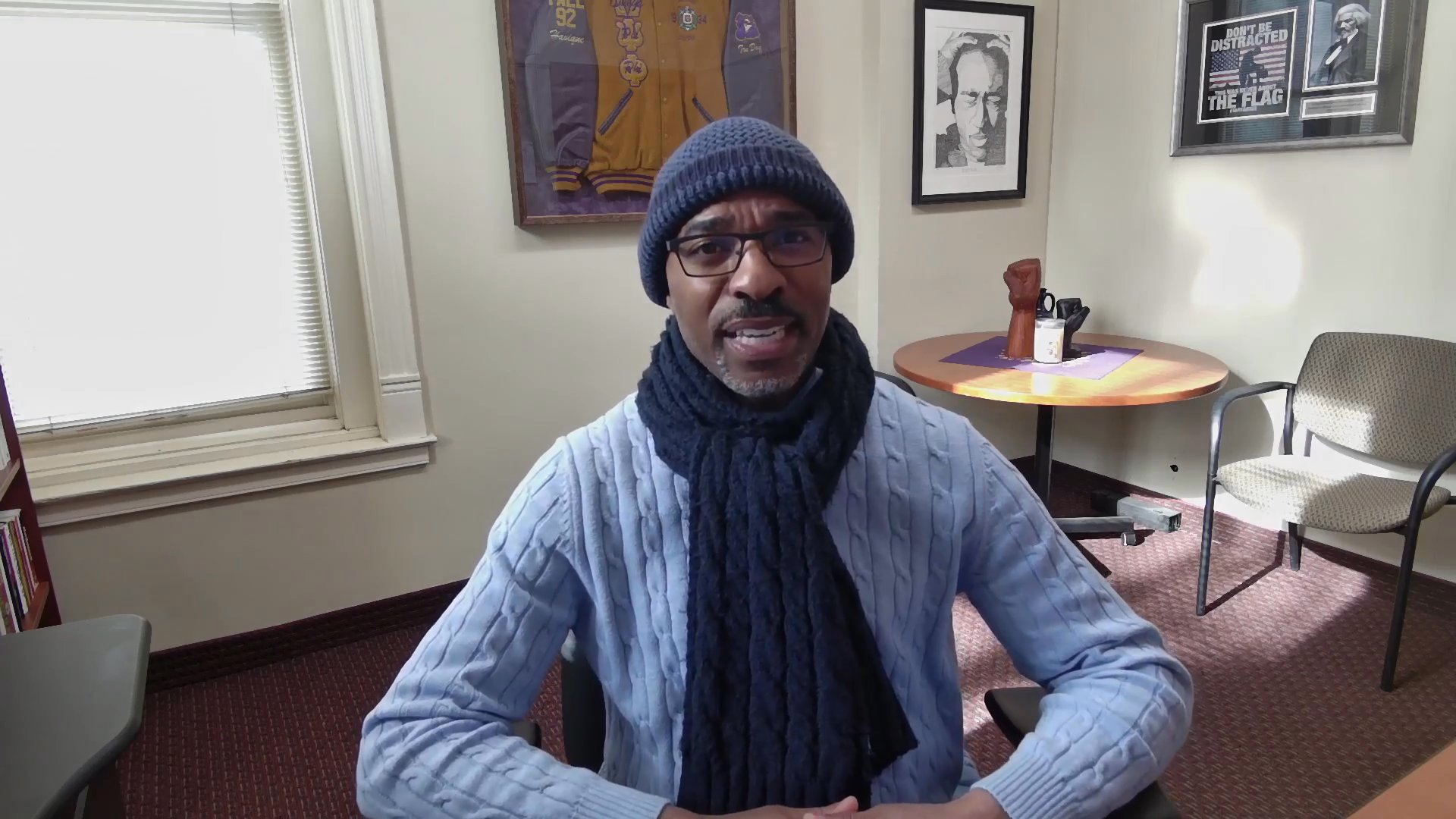
Doctor David explains the four-phase cycle of socialization—identity, reinforcement, experience and expectation—and walks through a personal example to demonstrate how conditioning shapes beliefs and behavior.
Doctor David: The cycle of socialization has four phases or four lenses. The first lens is the phase of identity. The second lens is reinforcement or teaching. The fourth lens is that of expectation. How do you move into other spaces and places based on that conditioning?
Hi, I am Doctor David, and I would like to share an exercise today that I have found both personally and professionally useful in terms of my development called unpacking the cycle of socialization. The cycle of socialization helps us understand the way we are conditioned, how certain realities may affect that conditioning, and how both the realities and the conditioning impact how we process and engage. So, in other words, the cycle of socialization is not just who we are, it's also what we are and how we came to be in that manner.
The cycle of socialization has four phases or four lenses. I'll walk through each four and then I'll give an example based upon my own development, that can help in terms of you doing the exercise on your own. The first lens, or phase, is the phase of identity. And this is an identity markers of who we are, how we understand our values, our beliefs, our traditions, our perceptions, our gender, all of these kinds of things that make us who we are in terms of imprinting our understanding of self. The second lens, or phase is reinforcement or teaching.
Now, this can come from institutions such as schools, churches, and so on. Or it can come from cultural practices and patterns such as family practices, family traditions, all of those kinds of things. The second lens or phase is that of experience. How are all of these things being experienced in terms of reinforcement or punishments? Approval or non approval, supported or unsupported? How are you actually being reacted and responded to when you do some of these things? And then the fourth lens or phase is that of expectation.
What are some of the resulting interpretations? And how do you move into other spaces and places based on what your experiences have been from that conditioning in lieu of your own identity? So, here's an example of how that looks. I grew up in a single parent, non traditional household. Teenage mother had me when she was 17. That is an identity marker for me because of that. Or in light of that, a lot of the reinforcement and the teaching that came from my mother was that of habits, practices and patterns.
So she taught me responsibility. At a very young age, high levels of accountability had significant responsibilities around the home, doing chores, being held accountable in terms of when those were done and how those were done. And so at a very young age, I had a very high sense of responsibility and accountability. My experience is, because of that, when I did that well, it was rewarded, obviously. And when I did not do it well, it was punished. And so all of that played into how I walked into other spaces and places in terms of my expectations.
I expected other people to have high levels of accountability and responsibility. I expected colleagues, even friends at a very young age to have the same level of accountability and responsibility that I had. And to take it a step further, when I ran into those situations where there wasn't the same level of accountability and responsibility that became problematic for me and so I would run into issues whether it was confrontational issues or whether it was just professional issues of how do you work in an environment where the expectations aren't being matched.
So hopefully as you identify some of your own identity markers and pillars how those may have been reinforced and taught to and for you, your experiences based upon those and the expectations that you walk into other spaces and places with, you'll begin to unpack some of your own histories as it relates to how you've been socialized, what that means for you in terms of how you understand yourself and more importantly how can you move in the direction to change some of those kinds of habits and practices.
So happy unpacking.
Reactions and comments are for members. Joining is free and takes a minute.