Learn from a sport & performance psychology professional about how we are ALL performers and why mental skills can change our daily life.
Garrett Westerwelly works at UC San Diego doing sports psychology with division I athletes. Sports psychology is all about optimizing mental performance. It applies to not just athletes, but everyday people. The key message is that everyone can benefit from him.
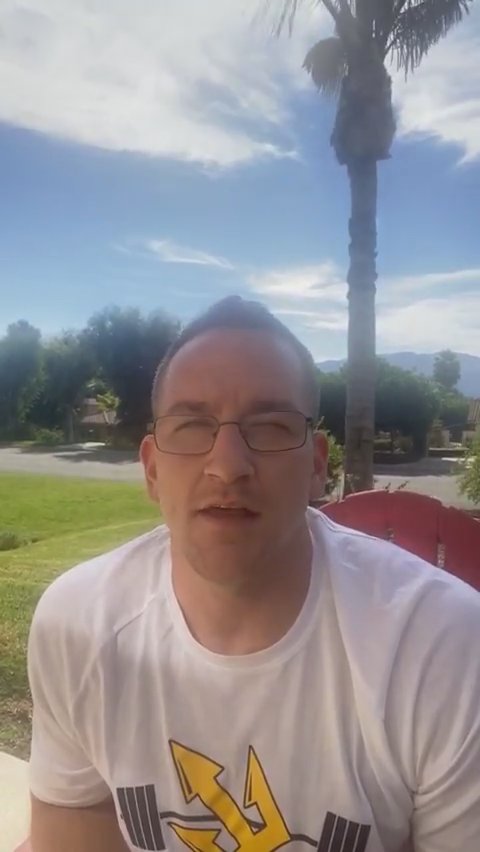
All right. And we are live. Hello, Cadre. If you're looking at me and wondering, who the heck is this guy? Unfamiliar face, it's because first time. First time a Cadre. So happy to be here. My name is Garrett Westerwelly. I'm filming now from Temecula, California, southern California. I am from Wisconsin, born and raised there. So I'm a Midwest boy, but here now for work and a job that I have at UC San Diego. So really, for today, for my first live, just want to introduce myself, who I am, what I'm about, kind of my background, how I can benefit you, of course, is the most important thing, and talk about what I'm super passionate about, which is sports psychology and mental performance and making people better.
Right. So just a little bit about what I do is. So sports psychology is really just about the. Just elevating mental performance. That's all it is. It's all about optimizing mental performance. It's, you know, obviously, within the name sports psychology, it's mainly done with athletes. But what I hope that you'll take away from today is that everybody can benefit from a lot of these skills, because it's all about making people better, making people more consistent, and making people just overall enjoy their performance a little bit more.
So that's what it's all about, really. I like to compare it to a lot of different things. So right now, kind of, again, my background, I work at UC San Diego doing some strength and conditioning as well as sports psychology with their division I athletes. So a lot of cool stuff there, and I liken it to a lot of stuff that coaching or other coaches do. Right. So strength conditioning coaches, performance coaches, they really hone in on developing the physical skills of an athlete. Hi, Chris. Welcome.
They focus on developing the physical skills of an athlete and a person, which, that being their speed, their strength, maybe reducing their injury risk. Right. And that's great. And then there's sport coaches, like the baseball coach. They teach somebody the more technical skills, whether that be shooting form in basketball or footwork and soccer. Right. That's great as well and needed. And then that's where I come in, is the mental aspect, and that's where it applies to not just athletes, but everyday people.
Right. Try to improve the mental skills that you have in your daily life, whether you are a competitive or recreational athlete or not. That's really what it's all about. So we help, or I help kind of answer some questions, like, you know, how can I improve my self talk to improve my confidence? How can I set goals? How can I, you know, instill motivation or sustain motivation to stay motivated and committed to my goals? Things like that are the questions that I'm going to help you answer. And, you know, I got my master's degree in sport and exercise psychology, and with that, I have a formal training in this stuff.
It's not just me. From my plain experience thinking that, you know, these mental skills helped me. So they must help you. No, no, no. It's all. It's all grounded in data, research, evidence, all that good stuff. That being said, I'm not a researcher. I want to make things as practical as I can, as applicable to you all as I can, and I want to make it engaging, fun, whether that be activities, little exercises we can all do, and just little skills that we can do to improve all these things. That's what I'm all about.
And kind of the key message, again, is that everyone can benefit from me. You know, a lot of the skills that I teach athletes are applicable to everyday people. For example, mindfulness. That's something that, if you've been on this app for a while, you've heard it across other people and other disciplines. But mindfulness can help, you know, kind of eliminate irrelevant focus or irrelevant things to focus on for athletes. They can help them stay in the present moment, but they can also help people, you know, be more present with their children.
For example, things like performance anxiety. If Serena Williams is nervous, whether that be in her head or her body, if she's feeling performance anxiety in a big tennis match, well, that's gonna, you know, that's gonna. That might affect her performance. And that's the same thing. Those skills that help her with sports psychology are the same things that can help somebody who's nervous before a big speech right before work. The same leadership skills that Stephen Curry uses on the basketball floor or the basketball court are the same things that you can use if you want to be a better leader at work and get that next promotion, you know, self talk, visualization, goal setting, returning from adversity.
All those things that we help athletes accomplish are things that, you know, everyday people can benefit from. And that's kind of, if you get nothing else from this live stream, that's the main thing that I want to echo across is that everybody's a performer in some way, and a lot of the stuff that's in sport and performance psychology can relate to you. So spend a few more minutes on here just chilling. But I think whether you're watching it live or watching the recorder version. My, I guess, call to action for you after this live stream.
And, you know, carrying on with this journey with me, moving forward is to simply think about the ways in which you are a performer in your daily life. That can, again, maybe be athletics, but. But maybe not. It definitely applies, and we're all performers in so many different ways. And really, what I'm all about is teaching life skills. It applies to athletes, yes, but it applies to everyday people. So, again, think about all the ways in which you're a performer or in general. Heck, even just think about ways you want to improve.
And I hope I can at least give you at least one skill throughout these videos that can help you out. Follow along for more, and there should be a bunch of good stuff. Good to meet you all and looking forward to Cadre. All right, so thank you. And as always, reach out, message me or anything on the app, and I look forward to hopefully helping you all out in some future videos. All right, bye, everybody. Have a good rest of your Monday. We'll see you later.
Reactions and comments are for members. Joining is free and takes a minute.