In this video in his series on managing adult ADHD, Evan Lieberman, MSW LICSW LADC, Evan shares some practical tips for accessing some necessary resources for folks with the disorder that are crucial for managing it. We may know what we need, but if we can't access these services, they can't help us.
Medications are the frontline treatment, but they do not work if you do not have access to them. Other options include cognitive behavioral therapy or finding a therapist who has a base knowledge of ADHD. The next is all about mindfulness and resources for finding interventions that are mindfulness based.
So as we've gone through the series, we've broken down ADHD. We've talked about some of the different skills and there's going to be even more to come. However, one of the big questions is how do we access some of these resources and what other resources are out there and available to have a comprehensive way of addressing the symptoms of ADHD and being able to better manage your life? First, let's talk about medications, because this is a huge problem for a lot of people. Medications are the frontline treatment, but they do not work if you do not have access to them.
Only certain providers are able to prescribe medication. So if you are looking to explore that option, there are a few different professionals able to do it. Number one, and probably your best option if you're able to find them, would be a psychiatrist, because they specialize in mental health and the interactions with other meds. So a psychiatrist is a great option. However, there is a huge shortage of psychiatrists. That is a huge issue. However, there are other prescribers who are able to give the medications.
One would be a nurse practitioner. More and more in varying states are able to provide medications and practice independently or even under the supervision of a psychiatrist. They're extremely knowledgeable. So finding a nurse practitioner or clinical nurse specialist, sometimes they're referred to. And the other probably one of the biggest providers of ADHD medications are just general practitioners, pediatricians, physicians, and many of them are quite knowledgeable in mental health and ADHD. Many of those individuals also prescribe antidepressants even though they're not mental health specialists, because there's such a need.
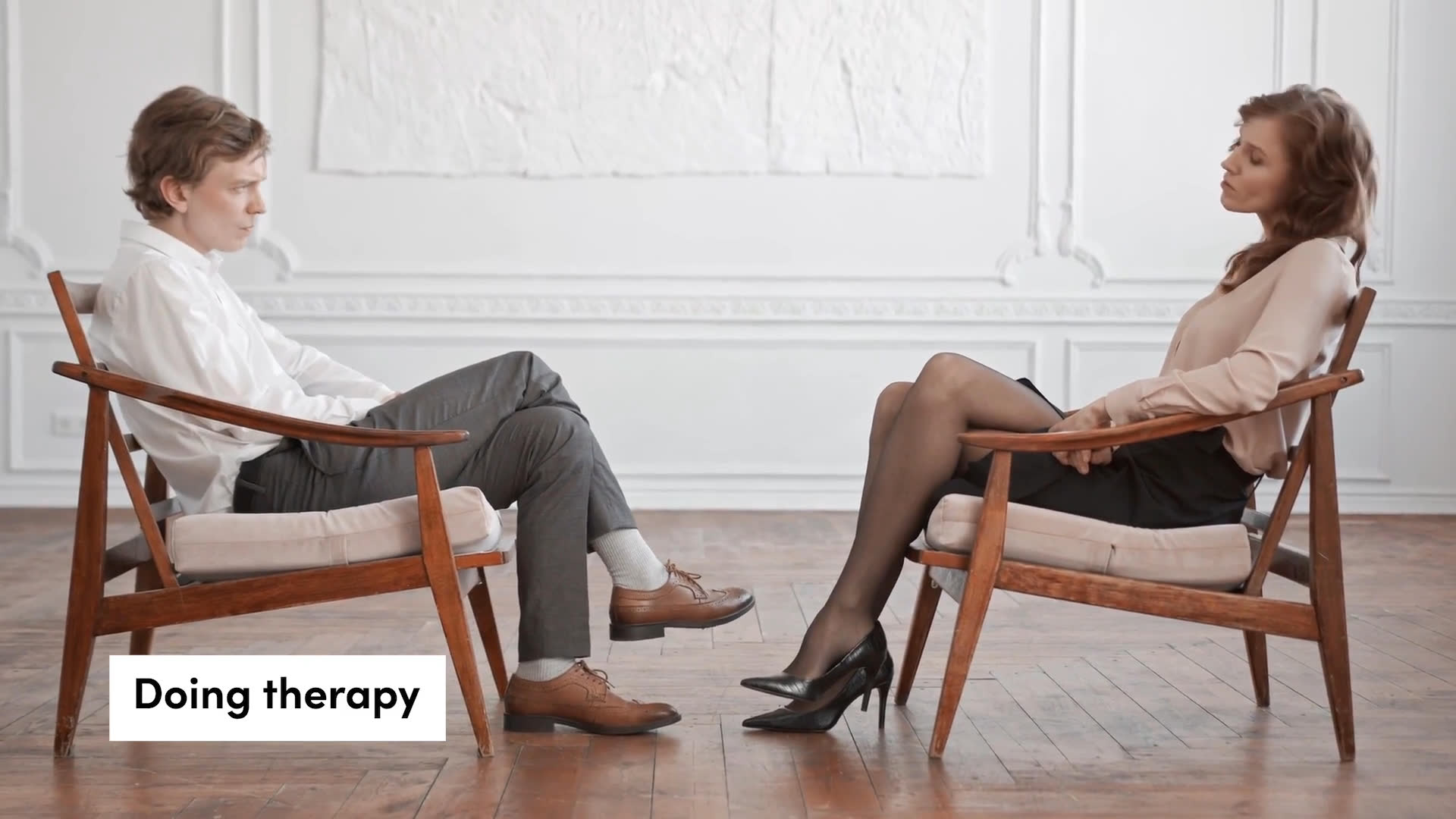
So maybe finding a general practitioner who has a base knowledge of ADHD and they could help as well. So you got to know who to find the medications from if you want to be able to access them. It could be a simple Google search, a referral while searching for these providers. Psychology Today, there are different resources out there, so if you need medications, that's a good place to start. Now let's go ahead and explore some non medication options. So the first is doing therapy. Now, there is one source of therapy that is the number one intervention, the most used and most study, which is cognitive behavioral therapy.
And I won't go into the details of how it started and everything like that, but it's all about changing the way we think about different problems. So it's changing our thinking patterns in order to change our behavior and therefore the way we feel. And this could be extremely beneficial, not just for depression or anxiety, but ADHD as well. Helping self regulate because we talked about how ADHD has a impact on the mind and the body, the way we think, the way we feel. So being able to change some of those thought patterns, whether it be in regards to managing your emotions or some of the other issues around attention, around managing our bodies and hyperactivity, the way we view the problem, looking at different ways to implement some of the skills that we've talked about around time management.
So things like cognitive behavioral therapy or finding a therapist who has a base knowledge or specialty can also be a huge benefit. The next is all about mindfulness and resources for finding interventions that are mindfulness based. For example, I gave you a little taste in this video series about mindfulness and mindfulness exercise because it can be so effective and research shows that it improves your ability to pay attention. It helps you focus on a singular thing, to be more in touch with your thoughts, with your body, and how that can manifest in the form of ADHD symptoms.
So this could be very beneficial for all sorts of different mental health disorders, managing moods as well. So mindfulness based intervention. So I usually recommend going on YouTube is a great resource for finding mindfulness techniques, and you may even find some online that are focused and geared specifically towards ADHD. I found some good ones there, so check those out. It could be extremely helpful. Another interesting resource you could look into if you have ADHD is something called neurofeedback, and this is typically performed by a psychologist who is trained in it and it's used for a variety of different things, but it's about using brain waves, using brainwave functioning through the use of an EEG to better understand how your thoughts and behaviors are connected, with your heart rate, with the way your brain functions.
So it's essentially retraining your brain to do things like improve focus to understand how that connects with your body. It's really. I'm not doing a great job of explaining it, it's a little bit complicated, but I recommend you look into. It's pretty innovative and can help for a lot of different things. That is neuro feedback. Next would be finding some resources to manage your physical health. So for example, something like implementing an exercise routine is extremely important, especially for folks who struggle with more of the hyperactivity element.
It's important to focus our bodies to get some of that energy out, to improve some of the neurochemicals. In an immediate sense. Exercise is one of the best things to get that boost of important brain chemicals to help stimulate your prefrontal cortex and be able to better your mind and body. Also, sleep is extremely important. So finding resources that could help with sleep, whether that be YouTube videos, or finding doctors who are able to help. There are some really good sleep interventions as well that are cognitive behavioral based.
So helping you change the way you think about sleep and implementing a better sleep routine that have a ton of body of research to show that it could help. Because if we manage our sleep in a better way, we know it improves ADHD symptoms. Getting things like our physical health, exercise, sleep and order can make a world of difference. My last recommendation is finding resources through people who specialize in ADHD who give away free content online, whether that be someone like Doctor Russell Barkley who I refer to in this video, who wrote a great book and has some lectures online, or even some of my peers who I respect on TikTok, like Courtney Carini or Doctor Patrick Kennedy who you will see the interview I did with him.
And there's some others that I will go ahead and listen. But there are some great folks who are professionals or just folks who have ADHD and do a really good job breaking down some of the symptoms, what it's like, their experience, and some of the things that help them. Well, I hope you found that video helpful. And remember, that's just a starting point of some tips of how to find and access some of these resources that will really help you be able to manage your ADHD symptoms and therefore live a more effective, happy and healthy life with ADHD.
Reactions and comments are for members. Joining is free and takes a minute.