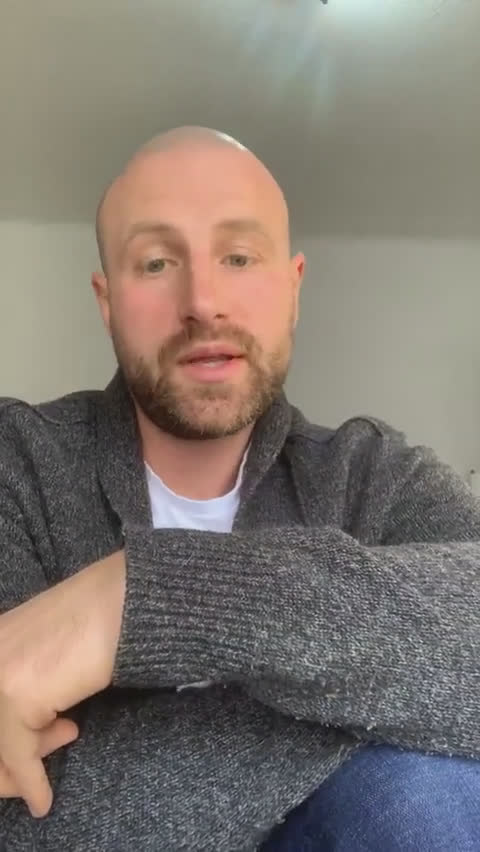
Today, we are doing another episode of Mental Health Matters, except you bring the topics for me to answer. This usually makes for a lively and fun conversation, so come join and contribute your questions or experiences. Feel free to put any questions in advance on the community feed and tag me whether you are joining live or watching later.
Another episode of Mental Health Matters. We discuss topics around mental health, addiction. Today we are gonna do my every other week. Q and a.
There exists a huge spectrum of people who struggle with alcohol or don't. They're what we would call in the contemplation stage of change or six stages of change when you're trying to quit anything. Check out my 15 video series on changing habits, any habit, whether it's addiction.
The best thing therapists can do is help people resolve their ambivalence. The more you can get someone to talk about the negatives, the downsides, and then also the positives of sobriety, that's when that enhances their motivation.
There's two places in general that we can be at a given time when it comes to our grief. On one side of the spectrum we have, feeling our feelings, experiencing our emotions, and then the other is moving forward and living life.
There's this narrative that is, like, nicotine is actually a good nootropic. But if you want those benefits, there is something else that is safer and healthier, less addictive. That is caffeine. Is caffeine habit forming? Yes.
For those who are addicted to junk food, you have to habituate to a lower hedonic threshold. Find other stress relieving activities to replace it. That's the process in addiction, recovery of habituation.
What's up, folks? Welcome back to another episode of Mental Health Matters, where we discuss topics around mental health, addiction. Because mental health is important. It matters. So let's see. We're gonna send the signal out. People are gonna know that we're going live. Hopefully we get some folks joining, because today we are gonna do my every other week. Q and a. So I've gathered a bunch of questions from Cadre users, from other folks who have reached out to me with some questions, and there's some really good ones.
I got a nice little cache here of questions. So is it cash or cache? Anyway, got some good questions, so we're going to go through them, and let's just go ahead and jump right in the. The first one, this one I just got was from a Cadre user. So what would be your recommendation to people who have an unhealthy relationship to alcohol? But it's not harming their life to the point that they believe they need sobriety, nor do friends and family. What are your thoughts on being sober? Curious. I've never heard of that one.
Not sober, sober curious, or using an approach that is an abstinence. The thing with alcohol, especially compared to some of the, like, known, like harder drugs, something like heroin or meth, is you're able to find more people that are in, like, a functional use stage. Now, the thing is, once alcohol gets to those later stages of alcoholism, once you get to the severe alcoholism, then it's pretty much as addictive as you would find anything else. And the withdrawal symptoms are just about worse than you would find for any other substance.
However, there exists this huge spectrum of people who struggle with alcohol or don't struggle with alcohol. They're people who are heavy users. So maybe it's an individual you're talking about without knowing them. Maybe they're a heavy user. And it seems like in this case, what you're outlining is you worry about their use. However, they're not seeming to have that many consequences, and their friends and family don't seem to mean it, seem to think it's an issue. Now, I have this joke if, like, more than one person in your life in different areas, let's say, like a friend, a co worker, like, it's like if you have two people sign off that you have a problem with alcohol or a drug, you probably do.
Of course, this isn't science, but I think it's like, a pretty good thing to go by because there's going to be people maybe you're better at hiding it from and it sometimes depends on people's attitudes. Like if someone else is like a very heavy drinker, they're more likely to say, maybe not be as worried. Or if they say that you have an issue, then that kind of means they have an issue, too. So sometimes it depends on family, culture, and all these other factors of one's attitude that they may express a worry or lack thereof for this person's problem, but you're seeing it being an issue.
So sober, curious. So maybe this individual, they're not ready to be sober. However, in your conversations with them, they are kind of wandering. They're what we would call in the contemplation stage of change or six stages of change when you're trying to quit anything. And if you're interested in this, please check out my series. I have like a 15 video series or something like that on changing habits, any habit, whether it's addiction, so the science around it. So there's a lot of cool videos there that you should go check out where I talk about the brain science.
Anyway, and I outline this stage as a change model where essentially you have someone in pre contemplation, meaning I don't have a desire, I'm not thinking about it. I don't think I have a problem contemplation, which is, hey, maybe I do have an issue. Maybe I do want to change. But maybe you're not ready to take that step. So you're kind of thinking about it, and then you have like a maintenance stage. You have an action change. Oh, I'm sorry to hear that, junk food junkie. Well, let me finish this question in thought and I will talk about your mom here.
I'm so sorry to hear that. So you have. Yeah. So you have these different stages of change, including contemplation, which this individual might be. Now, the best thing that we do as therapists, that we can do as therapists at individuals in the stage is help people resolve their ambivalence, because in this stage, they're going to have a lot of ambivalence, which is that contemplative. It is an issue, but it isn't, you know, I'm doing well over okay, but my job and stuff's going well. Maybe my relationships aren't, but I feel like my health.
Right. So you kind of go back and forth in this contemplation stage. So what can you do? So maybe that is just being a supportive friend and helping them resolve that ambivalence, you know, being sure not to take too much of a stance, you know, inserting your own opinion, unless they ask you to. And sometimes that could be like, hey, if you want my opinion, I could give it to you. And they may say yes at that, that point. Point. But yeah, trying to find a way. How do I, like, get this so that the words aren't in my face?
I'll try it like this. Anyway, we'll figure it out. It'll work itself out. Maybe I'm a little crooked for a minute, but yeah, so I would just have those conversations with them, see what they think about it. Like one of the things, like some certain questions that we use, little tricks of the trade would be like, okay, so you said that, you know, it's not affecting your work, but is there any downsides to it whatsoever or is it just totally fine? Right? Because when you say something like that, their response then is going to be to tell you the reasons why in that contemplation, they're leaning the other way.
So the more you can get someone to talk about the negatives, the downsides, and then also the positives of sobriety, that's when that enhances their motivation. It's a motivational enhancement tool. So check out, I have a few videos on this topic in my addiction series. I have one called helping friends and family struggling with addictions. So that would be a good one to check out as well. Alright, can I get this good spot? I'll just like, sit all the way up here like this. Be like, I'm like the cool teacher in the nineties sitcom.
Okay, you could talk to me. All right, so. Yeah. Okay. So, jungkook junkie, let's talk about your situation. I'm so sorry to hear your mom passed away. You're grieving bad. What are some things I can do to keep my grieving from going down the rabbit hole of depression because of losing her? And the thing with grief is, you know, everybody experiences it differently. And there's so many different circumstances that dictate how it impacts you, right, of going down that deep rabbit hole of depression.
So it's hard to say in general, right? When someone is asking me about this or they're grieving, what exactly like they should do. So I came up with this general principle or a general model for getting through grief. That of what I have seen helps people through that process in a healthy way. And so to outline that, there's this dichotomy, right? And there's two places in general that we can be at a given time when it comes to our grief. And on one side of the spectrum we have, feeling our feelings, experiencing our emotions, and then the other is moving forward and living life.
Now, this isn't forgetting, this isn't in both of these, the in opposition. I don't know where this would go would be avoidance. And that's where we don't want to be right now. The thing is, we don't want to be too much here. We don't want to be too much here, and we certainly don't want to be in avoidance land. So what does that look like in practicality? So that means when you have emotions come up, when you go into avoidance, just like with anxiety, it perpetuates the process, right. If you stuff it down now that maybe temporarily help.
Maybe you need to do that in certain moments. Like if you're giving a work presentation, you don't want to break down crying or something like that, right? But it's important if you do that to come back to it. And that's where, like, things like funerals and other like rituals, like in different religions and cultures are very valuable for the process and why, you know, we do certain things. Like it wakes and tell stories about the person and laughs and celebrate their life, right. This helps us feel our feelings and address it head on.
So if I'm working someone with grief, sometimes it's resolving some of those issues, like if you had some. Sometimes it's even more difficult when you have unresolved issues, maybe that you had with your mom. That's always a possibility. Talking about that, resolving that with a supportive person, with a therapist. These are all things that are in the realm of experiencing your emotions. Now, when you do that, there's also the pendulum swinging to the other side, which is moving forward and living life.
And what that means is being mindful to not sit in the depression, the avoidance as much as possible. So that may mean forcing yourself to, you know, get up and forcing yourself to get up and go for a walk, to go do the hobbies, to go play softball, to go see a movie. Because sometimes it is tempting to just, you know, sit home. And there is, you know, it is okay to have some of that self care where you have maybe a day. Maybe it's better if I just stand up where it's like. Or maybe not where you give yourself a day to sit home and just eat snacks, but you don't wanna do that too much, right?
That's a little bit much of the avoidance. So that's when you wanna just like depression, try to do your best to force yourself to do some of those healthy activities which is participating in life. And part of that, too, is connecting with other people and having that support to not isolate, that's one of the worst things that you can do. So not being in that zone too long that you're getting out, you're living life and you're not moving on, per se, because that's a hard concept for people. So just.
I'm moving on. But it's just. That's why I call it moving forward, right? So it's moving forward. And the thing is, when you're early in that stage, it's really hard to not be in those emotions. So again, instead of going to avoidance, we allow ourselves to experience them in a healthy way. And then eventually the pendulum swings back. And eventually, as you go through the grief process, you're able to hang out in this moving forward and living life more, and that becomes the norm. And then as you go through your life, it doesn't mean you're never coming back here.
So there are going to be times, there's going to be things that remind you of your mom or the anniversary of her passing, her birthday, things like that, reminders. And in those moments, it is okay to go back here, even if it's ten years later, to allow yourself to process and feel those feelings. And that's what I would consider to be a really healthy part of the grief process of going back and forth between these two worlds. So I hope that is helpful in some way. Choose your best friend. Certain songs, remember, make me start to cry right now out of the blue, and that's okay.
And if you allow yourself to feel that, you're going to get to this other place faster where you could still come back here when you need. So again, just like a lot of it's what you don't want to do, which is totally go into avoidance, isolation, and not being part of life. But again, it's okay to give yourself some time to feel blue. If you got to take a day off of work, if you got a binge on some Netflix, eat some ice cream, but you just. You don't want to stay there too long, if that's the thing.
So I hope that's helpful. And again, feel for you, buddy. You're part of the Cadre family. You're probably our number one fan. So we're all. I know I could probably speak for everyone else that we're all here for you. You're an awesome guy, and, I mean, that's amazing that you were able to have that relationship with her. And I could see why it's so sad. So. All right, thoughts are with you maybe doing one or two more questions. Switch it up a little bit. So here's one that's come up a few times.
I've been talking. It's a lot. And doing videos about nicotine, where I did a video where I was talking about, kind of in a funny way, about how nicotine is very much a senseless drug. Yeah. So how nicotine is kind of a senseless drug, that is. It's like you become addicted to it, and, I mean, you get a little bit of a good feeling, a little bit of a feeling of stress relief, but you don't get all that much. Not like you're getting high or whatever, but you become so addicted to it, and it's just so unhealthy.
Right. I've been there. I've been off nicotine, on and off. And, you know, luckily, right now, I've been off for about a year again. But, yeah, so then people have been coming back, and so there's this narrative that I've been hearing in some of the more pop science health realms, which is, like, nicotine is actually a good nootropic. So something that enhances your brain functioning, which is interesting. So I've been hearing a lot about that, and even as something that's healthy for your brain, because nicotine is not what causes cancer.
It's like the tar in cigarettes or. And chewing tobacco, cigars. You know, it's like the delivery system that creates more of, like, that risk of death, per se. So it's easy to say, okay, well, then, is nicotine really that bad? So you're seeing some of those narratives. So, here is my response to that, which is, yes, it does have some of these things, like enhancing memory, cognitive ability. However, it's usually only for people who are not, like, consistent users or addicted to it, if that makes sense.
So, like, if you smoke every day, you're not going to have that same effect because you kind of habituate to it. Now, let's say you're like someone who doesn't use it, but you're like, okay, I got a test, and maybe while I study or during the test, I pop a nicotine gum or something, and you get some of those benefits. Okay. I mean, that's. Again, it's not gonna be like the most unhealthy thing. However, nicotine does constrict blood vessels, leads to high blood pressure, you know, which puts you at higher risk of heart disease if you use it.
Too much, even in a form in a delivery system that is not carcinogenic, cancer causing. So there are still some risks there. Now, here's the thing, though. If you want those benefits, there is something else that I believe to be safer, healthier, less addictive. Though a lot of people are going to probably be like, no, it's very addictive, which is caffeine. Now, here's the thing. Is caffeine habit forming? Yes. If I stopped drinking coffee tomorrow, I would start to have headaches, tiredness, which are all symptoms.
However, as long as you just keep doing it on a regular, moderate basis, you're okay. And if you need to get off it, you just lean off of it, just like being on a medication. But yes, some people take it too far. They're slamming monsters. Whatever. Anyways, besides the point, however, caffeine in two of its delivery systems is extremely healthy, and that is through coffee and chocolate, the cacao. Right. These things are slamming with antioxidants. They are very protective for your brain. They're protective factors for cancer, and they're actually associated with longevity, living a longer, healthier life.
So really, you're getting almost all the benefits without those same downsides and not being stuck in an addiction. I do not believe caffeine is an addiction in the classic sense of the word. Yes, you can form a dependence to it, like you can with a lot of other substances, but I don't think it really rises to the level of addiction. Sure, some people could take it that far where they're drinking two pots a day and jittery and can't sleep. Yeah, maybe that would qualify. I did a video on that you could look up about is caffeine and addiction on here that you could find.
So, yeah. And then the research about staving off Alzheimer's and stuff for nicotine, it just isn't really conclusive at this point. So. So does the same. If you stop drinking it for three days, you start having headaches and a lack of caffeine and sugar. Yeah, yeah. I mean, I guess some people have, like, sugar withdrawals and stuff. And I think I did a video on this, too, about a sugar and addiction. I kind of put sugar and caffeine in a similar place. But, yes, it's just. It's the caffeine. Right.
It's the delivery system. Right. So, you know, a soda would not be a healthy delivery system, just like cigarettes are not a healthy delivery system of nicotine. Right. So, like, your best bet for nicotine would be like, maybe a lozenge or the gum, or even they have, like, pouches now that are non tobacco. So it's a lot of the other stuff that creates the biggest issues yet still the hypertension and stuff like that. So are there benefits? Yes. But do the benefits outweigh the risks? In my humble opinion, they do not.
Yeah. So one more thing in that realm. Someone said, you know, for when they quit, when they try to quit, the stress is too much. And they say, like, okay, I really want to quit. And this person said, like, at the end of their, like, university term, probably in England or something, you know, they want to quit, but it just causes too much stress in the moment. And I think this is another place where you could really check out my videos on changing and forming habits. Also my addiction series about the importance of replacement behaviors.
So, like, it's really difficult to just quit something and not replace it with other things to fulfill the positives of what it gives you. For example, like, if you quit nicotine, it's really important to maybe do more exercise, walks, lifting a new hobby, something to reformulate how your body processes stress and just deals with different situations. And so you want to find other stress relieving activities to replace it. Is it going to be as immediate as cigarettes and as intense? No, but that's the process in addiction, recovery of habituation.
It's kind of like I say, like when you're addicted to meth, like, the pleasure of eating a fresh apple just isn't the same. But again, you have to habituate to a lower hedonic threshold. So hedonic meaning pleasure. A lower pleasure threshold. And get used to it. And habituate just like temperature. Like jumping into water. Like, if I jump into, like, a 70 degree pool, even if it's warm out, I'm going to have an initial shock. I'm like, oh, my God. But then once I hang out in there for a while, I habituate.
Well, it feels kind of nice in here, right? So it's very similar. I never smoked a cigarette in my life. And finding crazy how smokers stand out in the freezing temps. Yeah, so it's one of those things, like, unless you've been there, you don't know. And I would say this junk food junkie. All right, perfect for your name. So imagine everywhere only served salads with vinaigrette dressing. So, like, the healthiest. So, like, everywhere you go, everything, every restaurant is healthy. Just like super healthy food.
No desserts, no nothing healthy. Now imagine, however, there is still junk food out there, but you got to go to a gas station, you have to present your id. And you can eat junk food. You can eat whatever it is. Salty, fat, sugary soda, any of those unhealthy things. You could only eat those outside. You can't eat those indoors, you can't eat those around other people. Kids can't buy it. You know, there's all these restrictions on eating junk food. It's highly taxed, all of that. And also it's like a little bit shunned by society because everyone's like, well, you know, yeah, we need to be healthy, and there's all these good reasons for it, and we need to really disincentivize people eating junk food.
Now imagine if we took it to that same level as we took cigarettes. Guess what? I think if any of us were placed in that situation now, given that we're used to eating some junk food every once in a while, which is okay, some folks more than others, I think all of us would do that. We'd all be outside in the cold eating a Snickers bar or a bag of chips or something like that. If we had to switch right away to only eating salads and, like, bland chicken breast and, you know, steamed vegetables, you know, the other healthy things that, you know, without much flavor or excitement.
So I'd say if you think of it that way, you may actually be able to empathize and relate to someone who's a smoker because it's really the same thing, maybe if not worse, for a lot of folks. So hopefully that helps give you a little perspective. Anyways, folks, it's been awesome. It's been real. Thanks for those who participated, especially you, junk food junkie, I wish you the best on your journey. You know that we're all here for you. All right, everyone, take care.
Reactions and comments are for members. Joining is free and takes a minute.