Understanding the way we're conditioned and how it impacts the way we process and engage. Learn how to unpack and process who you are and how you came to be through four main lenses.
The cycle of socialization is a blueprint of who we are, how we came to be, and how we continue to move forward. The cycle has four phases, or lenses. How do we show up understanding our own experiences and then projecting that onto other people?
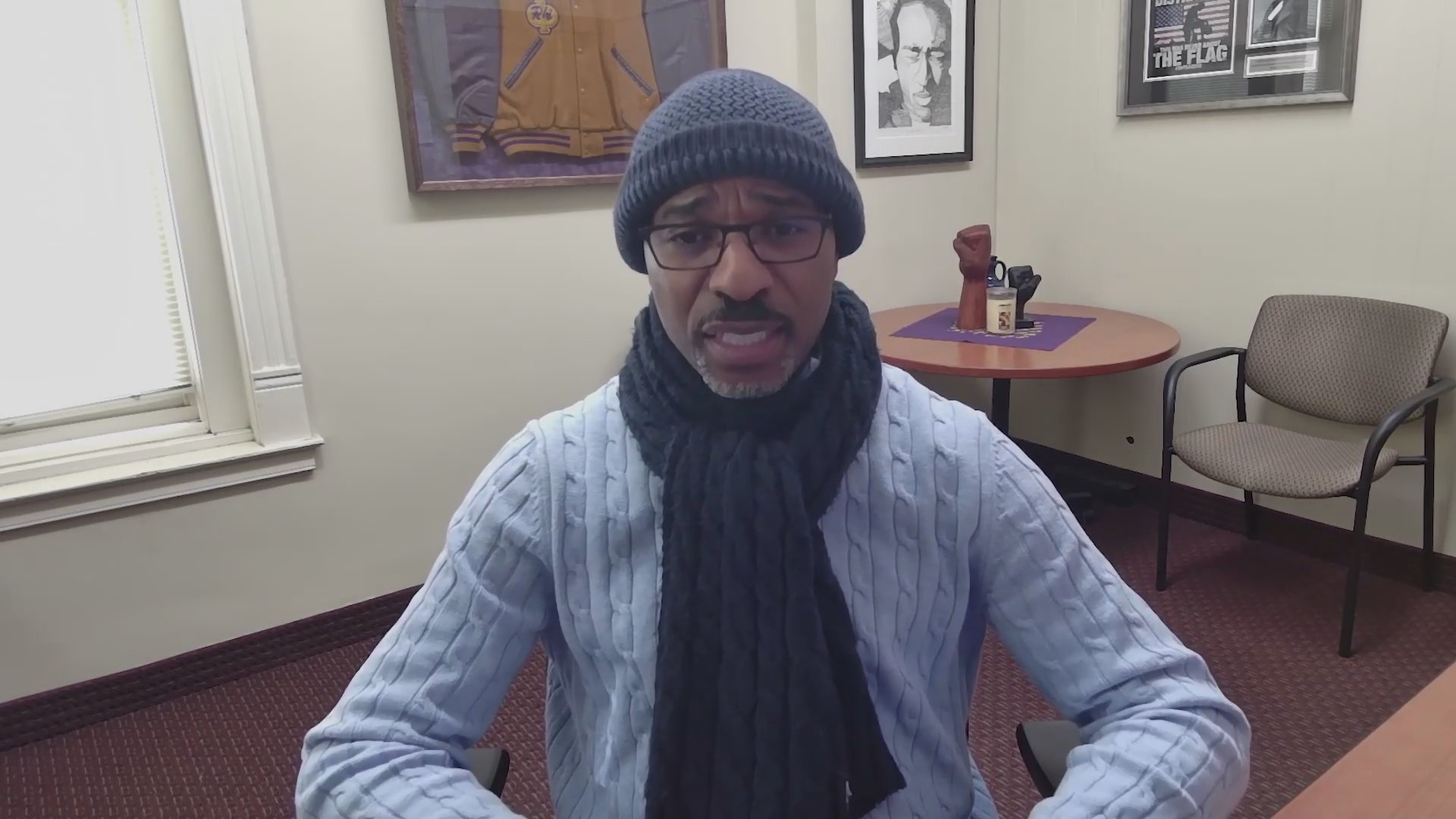
Hi, I'm Doctor David, and I would like to introduce an exercise that I have found both personally and professionally useful in my own development. It's referred to as unpacking the cycle of socialization. The cycle of socialization helps us understand the way we are conditioned, how certain realities may affect that conditioning, and how both the realities and the conditioning impact how we process and engage. So, in other words, the cycle of socialization is a blueprint of who we are, how we came to be, and how we continue to move forward.
Based on those two, the cycle has four phases, or lenses. The first lens is that of identity. Identity can be something really generic and general as gender, title in terms of fatherhood, motherhood, or it can also be something a little bit more underneath the surface in terms of values, beliefs and perceptions. The second lens, or phase, is that of reinforcement and teaching. This can happen in a really institutional kind of way, churches, schools, businesses, etcetera. And it can also happen in a very cultural kind of way, through practices and patterns, all of the kinds of things that we may undertake in our families that we learn in terms of ongoing rituals and etcetera.
The third phase, or lens, is that of experience. What are some of our actions and behaviors that are rewarded or punished, supported or unsupported, approved or disapproved, and the perpetuation of that based on those experiences. The fourth lens, or phase, is that of expectation. How do we show up understanding our own experiences and then projecting that onto other people in the spaces that we show up? So, from my own personal standpoint, an identity pillar for me is being a product of a single parent, teenage, non traditional household.
So my mother had me at a very young age, and while I was growing up as a latchkey kid, she constantly worked multiple jobs. So I was left to my own devices, but also given high levels of responsibility and accountability to have things done before my mother would arrive at home. And then upon her arriving at home, the expectation was that those things would be done. The reinforcement or the teaching was simply that the high levels of responsibility and accountability. From the time I was seven years old, I was preparing meals, I was doing laundry, I was doing all of the kinds of things that maybe nowadays teenagers are doing or young adults are doing.
And so that constantly reinforced how I began to assert and understand what responsibility looked like and how accountability played out based on my experiences. When I did those things well, there was rewards, and when I did not do those things well, there were punishments. And so I learned how and what to do based on those experiences of being punished or being rewarded or receiving accolades or being, receiving disapproval. And then the final expectation piece was I projected my own experiences into other spaces and onto other folks based on my high level of responsibility and accountability.
And so when I ran into friends who did not have similar understandings of what responsibility looked like, that would be a problem. Or there would be an issue. When I ran into colleagues on a professional level who did not have the same levels of accountability, that would be a problem for me in the workspace. And so all of these kinds of expectations, if we're not careful, can turn into labels or how we assign value to what things are normal or not normal, what things are acceptable or unacceptable, what things may even be right or wrong or good or bad.
So as you step into this exercise, hopefully you'll begin to unpack some of the things that make you who you are, understand where they may come from, and then go about providing some steps for yourself to maybe make some changes. Happy unpacking.
Reactions and comments are for members. Joining is free and takes a minute.