This is based on my personal experience with an eating disorder and recovery, always consult with a medical professional if you have concerns about a loved one or yourself.
Rachel Havocost is a writer and mental health advocate. She has been in recovery for an eating disorder two times. Here are three signs that it's time to get help for an Eating Disorder. At first sign of symptom, you are allowed to ask for help.
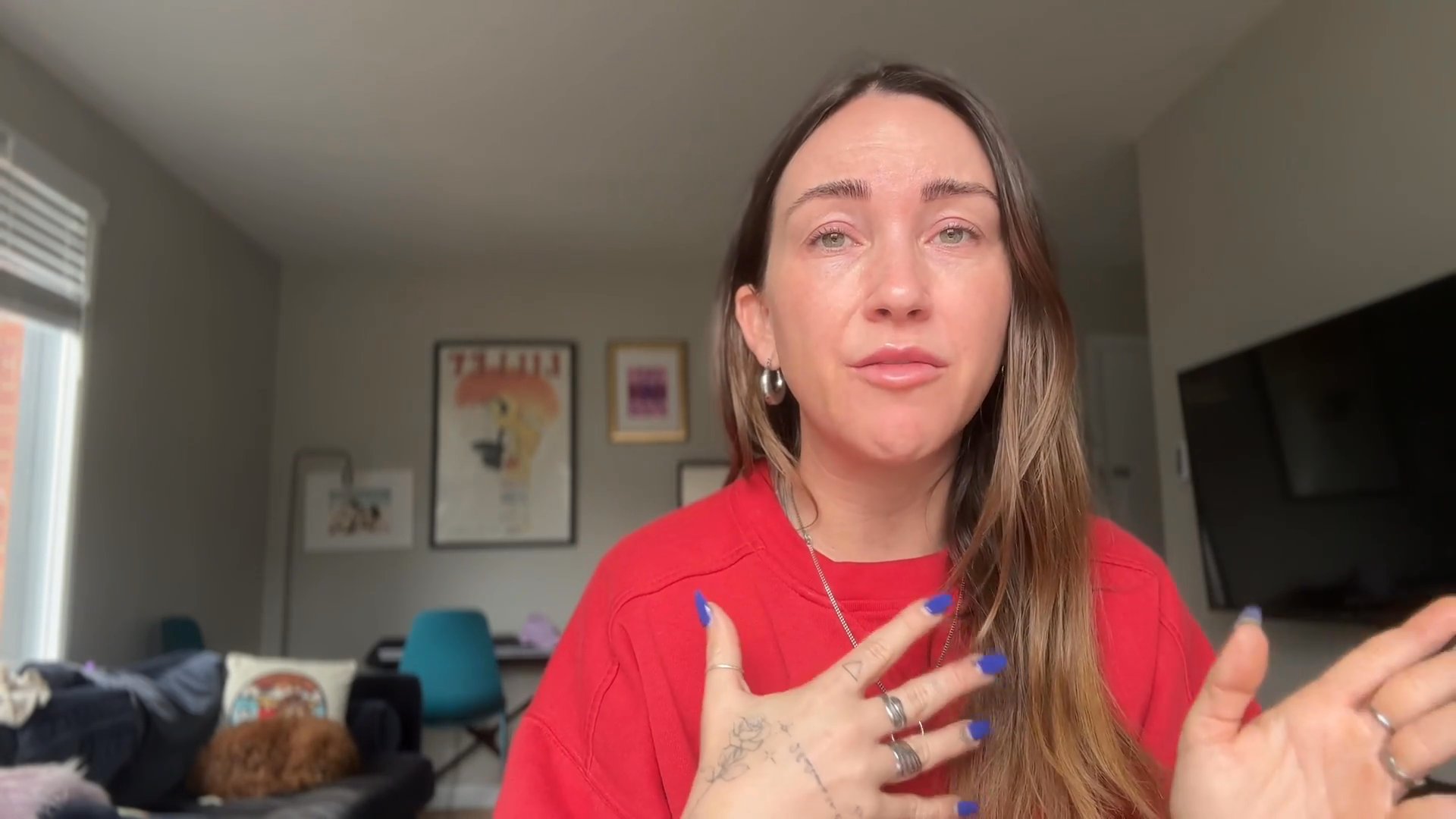
Here are three signs that it's time to get help for an eating disorder hi, my name is Rachel Havocost. I'm a writer and mental health advocate. I've been in recovery for an eating disorder two times. I've been in therapy for 19 years for a variety of other mental health diagnoses, and my mission is to just help destigmatize and make one person feel less alone. Even if you've never experienced any eating disorder pathology, this video might be really helpful if you have a loved one who does experience disordered eating, or if you work with students or teenagers.
These are some really great signs for you to be mindful of. One indication that it might be time to seek support for disordered eating is that you are experiencing black and white thinking about food. This means labeling foods as good or bad, saying certain food groups are not allowed, or restricting certain meals. Starting to have black and white thinking about our food as a sign that we're experiencing some disordered eating or disordered thoughts about food. A second indication that it might be time to start seeking support for disordered eating is avoiding certain situations because of food or.
Or because of your body. So that might mean avoiding situations where you might be in a bathing suit or in certain clothing because of how you feel about your physical body, or avoiding certain situations because there might be food there, whether it's a family meal or going out to a restaurant. Avoiding social situations for fear of food or body. A third indication that it might be time to seek support for disordered eating is compensatory behaviors. This means doing things like having extra movement or activity as a way to compensate or make up for an amount of food that was consumed, or thinking that you need to have a certain amount of movement or activity prior to eating in order to account for what it is that you're consuming.
So any behaviors that involve making up for food with movement, or preparing for food with movement, and the idea that there needs to be some compensation when you're experiencing these things, it can be really debilitating. And those are three things that oftentimes we experience in the beginning of our eating disorder or for the life of our eating disorder, and we don't allow ourselves to seek support because we don't feel like we're sick enough. You do not need to be a certain size or shape or have a certain medical or physical indication of your eating disorder before you seek support.
At first sign of symptom, you are allowed to ask for help. If you have any questions about eating disorder recovery, please let me know in the comments. I've been to treatment twice. I've been working through my eating disorder for 19 years and I would love to talk to you. Make sure you subscribe to me and follow for more videos about eating disorder recovery, both from the beginning to the end and now.
Reactions and comments are for members. Joining is free and takes a minute.