Today I’ll share some of my favorite practices for journaling. I’ll give you specific prompts as well as a framework for using writing as a tool during life’s uncertainties.
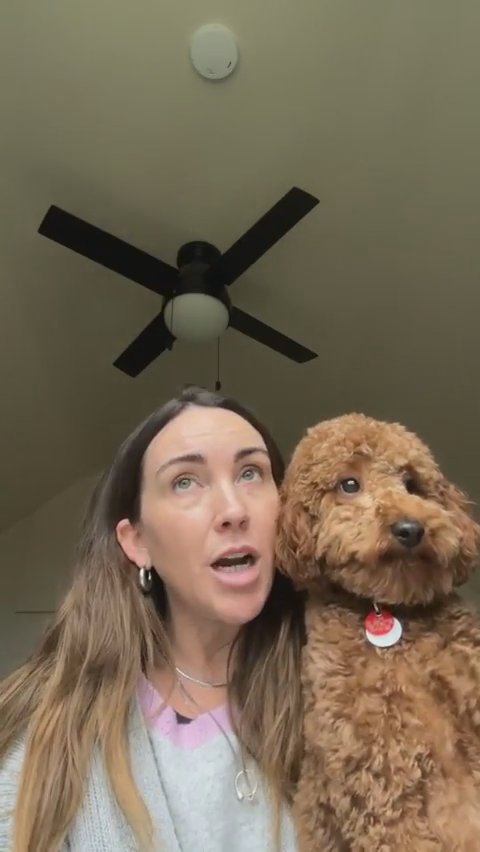
Milo and I are coming to you from Lopez island. I'm visiting my mom right now, so we are overlooking the water from her upstairs office. Milo just got a haircut, and he looks like a little. Looks like he has an extra brain on the top of his head.
Rachel says she uses self inquiry, supportive writing and journaling to cope with anxiety, depression, self worth, and identity. She shares three of her favorite writing exercises.
The third exercise is what I like to call life flashing before your eyes. This is an opportunity to connect with the truth of who you are and what you want. Let me know if this was helpful or if you have other writing exercises that you love in the comments.
Hi, Cadre crew. Happy Wednesday. Milo and I are here coming to you from Lopez island. I'm visiting my mom right now, so we are overlooking the water from her upstairs office, and it is quite stunning. Milo just got a haircut, and he looks like a little. Looks like he has an extra brain on the top of his head, but now you can see a lot better, huh, bubba? So today I am going to talk to you about one of my favorite, one of my favorite activities. To do some self inquiry, some supportive writing and journaling, to equip yourself with tools that you can access at any time for free, and questions you can ask yourself to navigate things like anxiety, depression, self worth, and identity.
So I'm going to share with you three of my favorite writing exercises that I have used in the course of my young adult life and later in life, to kind of help me navigate, transition, or change, or if I'm experiencing anxiety or from feeling stuck or overwhelmed. These are three exercises that really help me. So the first one is called Morning pages, and this was developed by Julia Cameron. If you've ever heard of the artist's way workbook, this is an incredible, it's an incredible workbook for artists creatives.
And there are tons of different exercises in that workbook that are really helpful for unlocking creative wisdom, getting through creative blocks, and also are really therapeutic. And so one of the exercises that she introduces in this workbook is called Morning pages. And the concept is that the first thing in the morning, before Rachel, I knew that was coming. Morning pages is so effective, and that's why everyone talks about it. So, morning pages, the idea is that every morning, before doing anything else, before checking your phone, before writing emails, before whatever else you might do in the morning, you get out a notepad or your laptop or notes app on your phone, however you like to write.
And you just free write for three full pages without filtration, without stopping. So the idea is not to get something perfect or pretty or even cohesive on page. It's just about to. It's just about getting things out. So even if you're just writing, like, I don't know what to write, I don't know what to write. I don't know what to write. I don't know what to write. The idea is you just keep going and don't stop for three pages. And this is really helpful for a lot of reasons. The first one is oftentimes we don't give ourselves a chance to check in with ourselves first thing in the day, and we go straight into consuming, we go straight into consuming social media, we go straight into consuming other people's feelings or thoughts or emotions work distractions from our outside world.
And so we don't get a chance to kind of fill our cup or let go of what we need to let go of before engaging with the day. So this is a really great way to stop first thing in the morning and have a moment for ourselves. The second thing it really helps with is kind of unique leashing any. Any repetitive thoughts or any rumination that we might have. So it's really helpful for anxiety. It's kind of like a brain dump. Journaling, which is another form of journaling where you just. You're getting everything out of your head onto page without purpose, without trying to solve anything, without trying to create anything.
It's just about getting what's happening up here out and onto a page. And that release of physically getting it from here onto a page can be really cleansing for our minds and create a lot of a space and clarity to kind of get it out, but then have it still be somewhere that we can access it again. The second thing it really helps with is creative flow. So if you're someone who is creative, if you're someone who is an artist or a singer or a dancer or a writer or a storyteller or whatever it might be, doing morning pages is a really wonderful way for us to get out of our own way and kind of get into a space where we're less worried about perfection or outcome and more focused on the process.
So it's really helpful for us to have exercises for our mind where we're not focused on getting things right or making them pretty or making them perfect. We're focused on just consistently doing them and showing up. So this is a really wonderful exercise. It doesn't take long. It takes about ten minutes. And again, it's just about doing it every morning. The second exercise I really love is writing letters to yourself. So this is a really great tool if you're doing inner child work. This is a really great tool if you are.
If you're kind of sort of anxious about the future or trying to make some big life decisions. This is really helpful if you struggle with self worth or depression. So there are four different ways that you can do this. One is writing, so we'll kind of break it into two. So one is about the future and one is about the past. So with the future, you can write a letter from your present self to your future self. So that might be me writing a letter to myself when I'm 80, right? Or me writing a letter to myself when I'm 40.
So kind of thinking about, like, for example, let's say I'm kind of having anxiety about the next year of my life, about what I want to do, about my goals. I might write a letter to my 36 year old self and say, rachel, dear Rachel, here's what I hope is happening for you. Here is what I desire for you in a year to come. And by framing it as writing a letter, it's a lot easier for me to access what I actually want and desire. The other way we can do this is write a letter from our future self to our present self.
So maybe from my 80 year old self to my 35 year old self. And this can be really helpful in kind of creating a sense of assurance or trust or faith and saying, like, hey, these things, maybe these things didn't work out, but, you know, what you did, x, y, and z, and that made you really fulfilled or, you know, what really mattered to you at the end of the day, it was these few things. So letter writing is a way for us to kind of get out of our head while still accessing our own intuition and accessing our own wisdom and desires and sort of discover maybe some things that we're looking for but are struggling to access.
And then with past letters, it's a similar idea. So I can write a letter to my past self. So maybe I'm writing a letter to my inner child and letting her know all the things that I wish she had heard when she was little. And this can be incredibly healing to write these letters to our younger selves and provide them with the things that we didn't get when we were kiddos and then vice versa, we can write a letter from our younger self to our present self. And so these are really powerful tools for us to stay within us and what's true to us while getting out of our own way and sort of accessing this wisdom through letter writing.
And then the third exercise is what I like to call life flashing before your eyes. And I recently, I think I wrote about this in a substack post of mine. So if you don't subscribe to my substack, you can find me on Substack. You can just search my name, Rachel havocost. And I wrote a lot about this. I think I posted it on my instagram, too. But the idea is, if you're worried about the future or uncertain about the future, or if you're struggling with identity and struggling with sense of self and who you are.
This is sort of an opportunity to connect with the truth of who you are and what you want. So it starts with a visualization of closing your eyes and imagining that you're on your deathbed and literally imagining that your whole life is flashing before your eyes, asking yourself, who's there? Where am I? What did I do? How did I feel? What did I regret? What did I not regret? And imagining that you're able to look back and see everything you did, as if you had a beautiful life that makes you smile and feel at peace when you die.
And then writing down everything that comes up and rather than thinking about, how do I make this possible? Or, like, this isn't real, it's just a dream. Allowing yourself to live in that dreamland where everything went the way you wanted it to and what did it look like? What happened? How did you feel? What emotions did you feel? How did your body feel? Who was present? Who was there? What came up in that visualization? And then sort of like, you know, drawing from that in a writing exercise to kind of allow yourself to see, like, oh, this is what it would look like for me to be at the end of my life and feel really fulfilled.
Rachel says, yes, I've done this, but it was presented as writing from someone who loves you, things like why and specific traits they love. It was much easier to think of that way than if it was from me. That is an excellent point. So if writing a letter to yourself feels difficult or inauthentic, which is pretty common, like, I know when I started writing letters to myself, I was like, I don't want to tell myself anything nice. Like, why would I. Like, it's hard for me to come up with things to say to myself that are kind.
And so instead, like, writing a letter from the perspective of someone who loves me and who knows me well, so maybe writing a letter from the perspective of my best friend or from a partner or from Milo, like, if Milo was going to write me a letter, what would he say about me? And so having sometimes having that opportunity can also help me get out of my own way, because I can believe what someone else might say about me, but in the act of writing it, I'm ingraining it in my own subconscious. That's a really good point, Rachel.
Thank you. Let me know if this was helpful or if you have other writing exercises that you love in the comments. I would love to try them or share them. And I will see you again next week, same time. m. PST here in Rachel's room. Thanks for stopping by, fam. It.
Reactions and comments are for members. Joining is free and takes a minute.