Our culture is really good at offering extreme, unhealthy and unrealistic pathways to wellness much Iike the 75 HARD Challenge. Join JC for the SELK (Soft, Easy, Light and Kind) 75 where he’ll offer you positive friction reminders on the power of SELK actions in your life.
On Saturday mornings, we're going to have a live stream called Selk 75. Selk is an acronym for soft, easy, light, and kind. The 75 hard challenge requires you to do things that are culturally seen as hard for 75 days straight. If you fail at any time, you need to start over.
Joe Pajoy: What are the words that you use so often that maybe you could take a moment and go, huh? What do I really mean when I say x? He says too often we don't actually think or take the time to preciously place what is in that word. Joe: The best thing to do is to be yourself.
So many people struggle with quitting bad things. Maybe quit is one of those vessels. What are the ones that you use and what do you put in them? Marisa. Thanks for spending this morning not with me, but with each other.
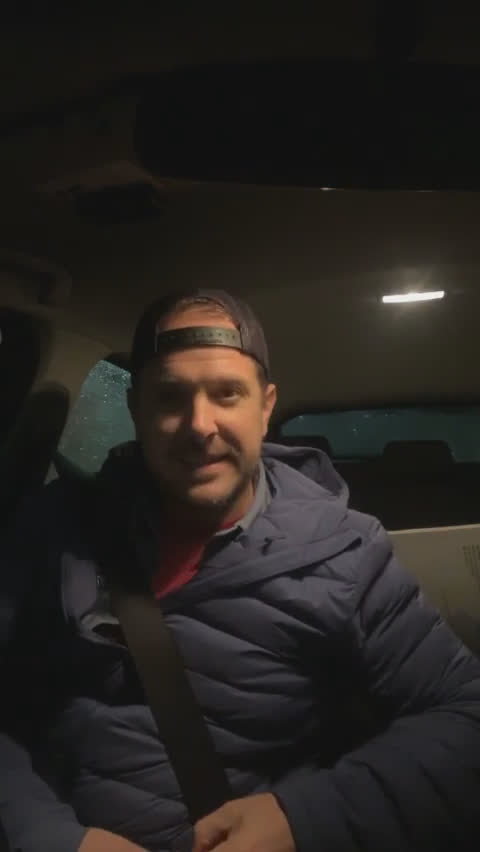
Hey, everybody. Happy Saturday morning. m. Where you are, like, it is where I am, central standard time or earlier or later, or whether you're watching this live stream at another time, I'm proud of you for taking a few minutes to do something that is innately good for you. Taking time to think, taking time to feel, taking time to take time. My name is JC Lippold, and if we've never shared time and space together before, thanks for letting me do so. On Saturday mornings, we're going to have a live stream called Selk 75.
If you're like, what's Selk? Well, it's an acronym. Soft, easy, light, and kind. You know, there's a kind of a wellness challenge called 75 hard, and it's rather popular. If you love it, that's awesome. If you know someone who's done it and has had a positive experience with it, wonderful. I think one of the cool things we're doing here at Cadre is we are expanding the bounds on what wellness, and you caring for your mental and physical wellness looks like. Morning, Chris. Nice to see you. Hey, Marisa.
Hope the coffee is tasty. So the 75 hard challenge requires you to do a lot of things, like work out twice a day, drink a gallon of water every day, read ten pages of nonfiction every day. Hey, Joe. Pajoy. 680383. I hope you are having a good morning. So, in essence, the 75 hard challenge requires you to do things that are culturally seen as hard for 75 days straight. And if you fail at any time, you need to start over. If you want to accomplish this challenge, you do it. And if you fail, you start over.
You know, I think that's how our culture is set up. I think a lot of people want to go, we need to work harder. We need to do more, we need to commit more. And I go, I don't know. That seems kind of like a dusty message. If we keep saying to ourselves, more and more, more, more, harder, harder, harder, harder, harder. Sooner or later, that becomes the easy thing to do, to kick ourselves, to push ourselves, to drag ourselves, that becomes the habit. You know, I've been in the fitness and wellness industry for quite some time, and my message has always been the opposite of that.
But I tell you, I still have people who come up to me and they say, jc, you make me feel really, really bad with all the stuff you're always posting about being well. And I go, wait, what? Not to discredit what they're saying or to challenge it, but because I'm genuinely shocked because in my head I go, wait, I'm attempting to make you feel the opposite of that. And what they say is, yeah, but wellness and all, all of this stuff is about making me into a person who's better than the person I am today, which translates into today, I'm not a good enough person.
I need to do this challenge in order to become good enough. That's what culture is receiving. That's why so many people go, you know, if I'm not good enough and I'm not capable of doing that thing, alright, I guess I'm going to live my life as a not good enough person. So in response to the 75 hard challenge, I thought about, what are the opposites of hard? And I came up with soft, easy, light and kind. So if you're looking for a little touch point, something that is culturally challenging, I invite you to speak softly.
I invite you to take it easy, I invite you to move lightly, and I invite you to practice kindness. And I think that's going to be a really, really hard thing to do. And every time you fail and slip up at it, I invite you to decide what you want to do next. Do you want to give up on trying these things or do you want to practice those things and keep going? Chris says pushing too hard, too fast to catch up is very common in early recovery and often gets you in trouble. Comparison can be dangerous.
Yeah, absolutely. Marisa says, ooh, speak softly is tough, but I will practice. Yeah. And that's the one I kind of wanted to dive into for a second. Today we'll talk. Speak softly for a moment. You know, words are, words are vessels. I always love to say words are vessels. In other words, the word doesn't have any value. It's what you put in the word where the value is found. But so often we are speaking in response. We are speaking to be heard, we are speaking to be right, we are speaking to justify.
And so often we don't actually think or take the time to preciously place what is in that word. Thank you, Joe Pajoy. Thank you for being here and for being a coach of others wellness. So think about it. What are the words that you use so often that maybe you could take a moment and go, huh? What do I really mean when I say x? You know, I always talk about the words just and only I know some of you are going to be like, yep, here's JC's, you know, some of JC's words that he, that he really thinks about.
So I'll use it as an example. I'll use just as an example. You know, once you start listening to how often people use the word just, it almost becomes dizzying. It becomes nauseating, because you hear it every sentence, every other sentence. Well, I'm just going to. Or I just did. Or I'm just saying this because. Or Nike, just do it. You know, I'll tell the story. I was the five year old sissy. Not good enough, not strong enough boy standing on the three meter diving board, and all the kids in the deep end of the pool, down in the water, are saying, just jump.
Just jump, JC. Just jump. In my head, I'm going, this is not a just action for me. For all of you who feel comfortable in the water, who have already jumped, yeah, you can go, wow, just do this. But in my head, they were mocking me. They were devaluing my reality. They were saying, hey, this is a just act. But for me, it wasn't. When Nike says, just do it. Just be MJ. Just be Serena. Just be the superstar athlete. I don't know about you, but I go, I'm not. I don't want to be. And I definitely don't have the circumstances that allow me to do that.
So why am I going to attempt to just be them when maybe the best thing to do is to be me? When I just went like this, that was me not saying the word. Just, hey, just be yourself. You ever been told that, hey, just do you, and you're going, what the h*** does that mean? I'm figuring myself out. I'm learning about myself. And you're saying, just as if that should be an easy thing to do. So today, as a consideration, not as a challenge, perhaps you consider the vessels that you use and the precious meanings that you place within them.
Y'all, I don't know when 70 days from now is, but I know that every single day for me, thinking about being a little bit more selk, I like to say being selky smooth. Cause I think being soft and easy and light and kind probably has a positive relationship with our resilience. I'm not gonna stop after 75 days, I may have to pause. I may fail again and again and again and again. I think failing and quitting are cool. So many people struggle with quitting bad things. I think maybe part of the reason is we never actually practice with confidence the act of quitting.
Maybe quit is one of those vessels. You need to consider what you're putting in, and we can keep going. There's lots of vessels. What are the ones that you use. And what do you put in them? Marisa. Christine. Joe Pajoy. Thanks for spending this morning not with me, but with each other. And most importantly, with you. We'll see you soon.
Reactions and comments are for members. Joining is free and takes a minute.