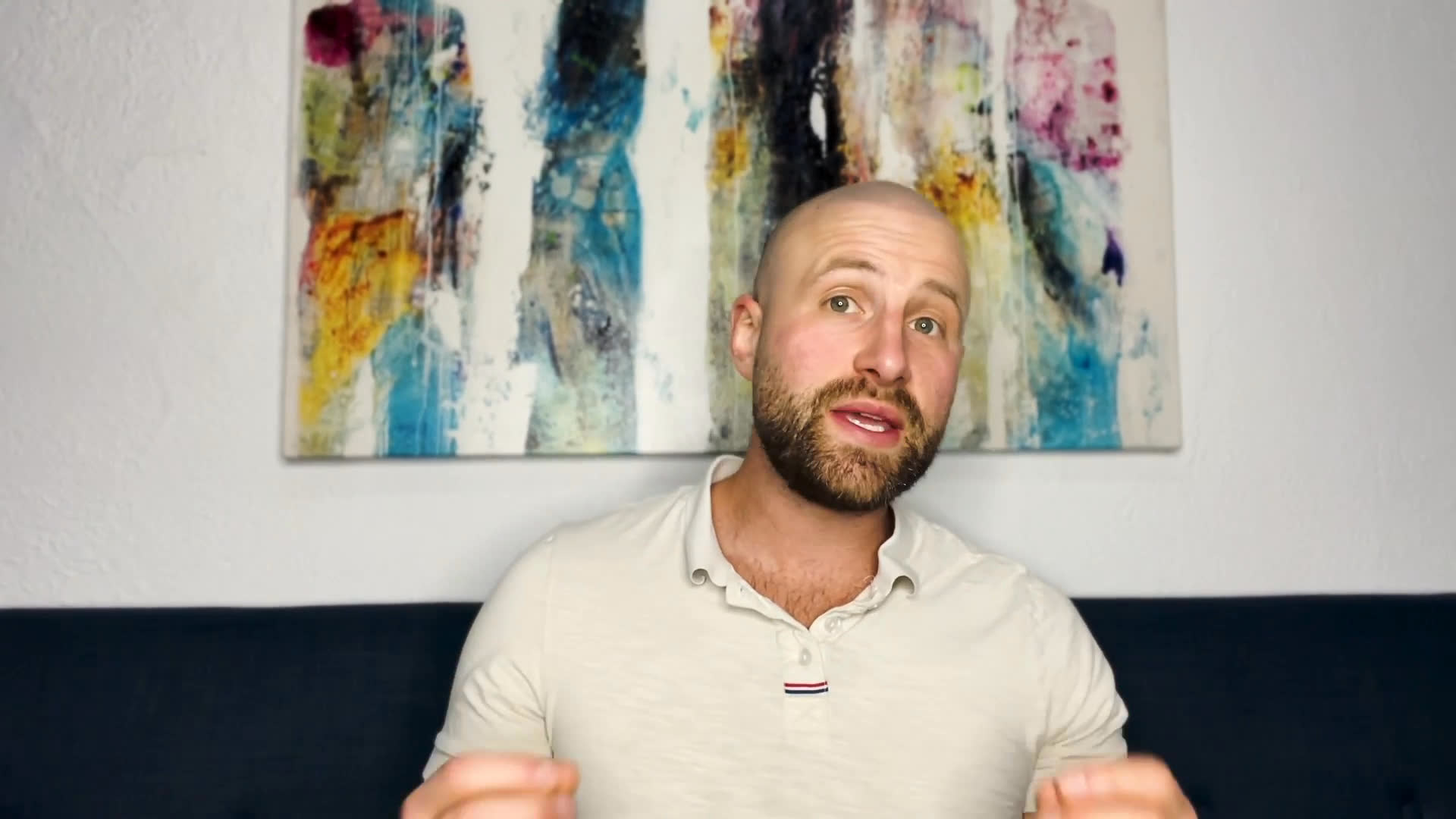
Unraveling the complexities of PTSD, Evan, our resident mental health and addiction therapist, offers a comprehensive breakdown of this often misunderstood disorder. In this informative video, he demystifies Post-Traumatic Stress Disorder, shedding light on its causes, symptoms, and the realities of living with PTSD. Evan combines professional insights with real-life examples to provide a clearer understanding of the disorder, aiming to reduce stigma and enhance awareness. This video is an invaluable resource for anyone looking to deepen their knowledge of PTSD, whether for personal insight or to support others.
Post traumatic stress disorder is a combination of symptoms that span five different categories. Just because someone doesn't meet the criteria doesn't mean they wouldn't benefit from treatment. There's a lot of different therapies out there that specifically target the symptoms of PTSD.
As a mental health therapist, I found that this disorder is one of the most complicated to diagnose and one of the most misunderstood, and that is PTSD. Post traumatic stress disorder is a combination of symptoms that span five different categories. So I'm going to break down the symptoms of each one so you get a general understanding of what the disorder is and what people experience when they have severe and ongoing trauma reactions. Post traumatic stress disorder is a combination of symptoms that span five different categories.
So I'm going to break down the symptoms of each one so you get a general understanding of what the disorder is and what people experience when they have severe and ongoing trauma reactions. The first category is simply experiencing a traumatic event or series of events. This could be something like childhood trauma, whether it's physical, emotional, sexual abuse, or it could be a singular incident like a near death experience, such as a car accident. Some folks, even in adulthood, may be exposed to severe stress, like being in a combat environment.
Category B is intrusive symptoms, meaning thoughts or feelings that are unwanted that come up throughout the day in relation to the trauma that get in the way of your day to day functioning. This could also be in a form known as dissociation, where you feel a disconnect between. Between your mind and your body, between yourself or the world. The third category, criterion C, is all about avoidance. When we have those uncomfortable intrusive symptoms or we're experiencing pain, the natural thing to do is avoid them, whether that's avoiding people, places, things, or things that we love.
And that's what makes it a problem. Criterion D is all about how the trauma affects the way we think and feel about ourselves and the world. It changes our outlook, our belief structure, the narratives we have in our mind, and just our overall mood with feelings of depression. And lastly, criterion E is all about alterations in our mental arousal and reactivity, because when we experience trauma, it often keeps us in a state of fight or flight. We're on edge, we're hypervigilant. This can also lead to reactivity, like anger, emotional outbursts.
And because of this, often individuals are impulsive. They want to feel better in the immediate, so they may act out in risky behaviors like substance use. Now, it's crucial to remember that trauma reactions lie on a spectrum, with PTSD being the most severe. Just because someone doesn't meet the criteria, having significant symptoms in all the categories doesn't mean they wouldn't benefit from treatment. So the good news is that there's a lot of different therapies out there that specifically target the symptoms of PTSD.
Many of these trauma therapies have trained clinicians who are able to help guide you through the process. So I'm going to put a list of those modalities in the comments. Go check them out, do some research and see if any of them vibe with you. They can be really beneficial whether you have PTSD or some traumatic experiences you want to work through. Either way, these things are great for the healing process. Go check it out.
Reactions and comments are for members. Joining is free and takes a minute.