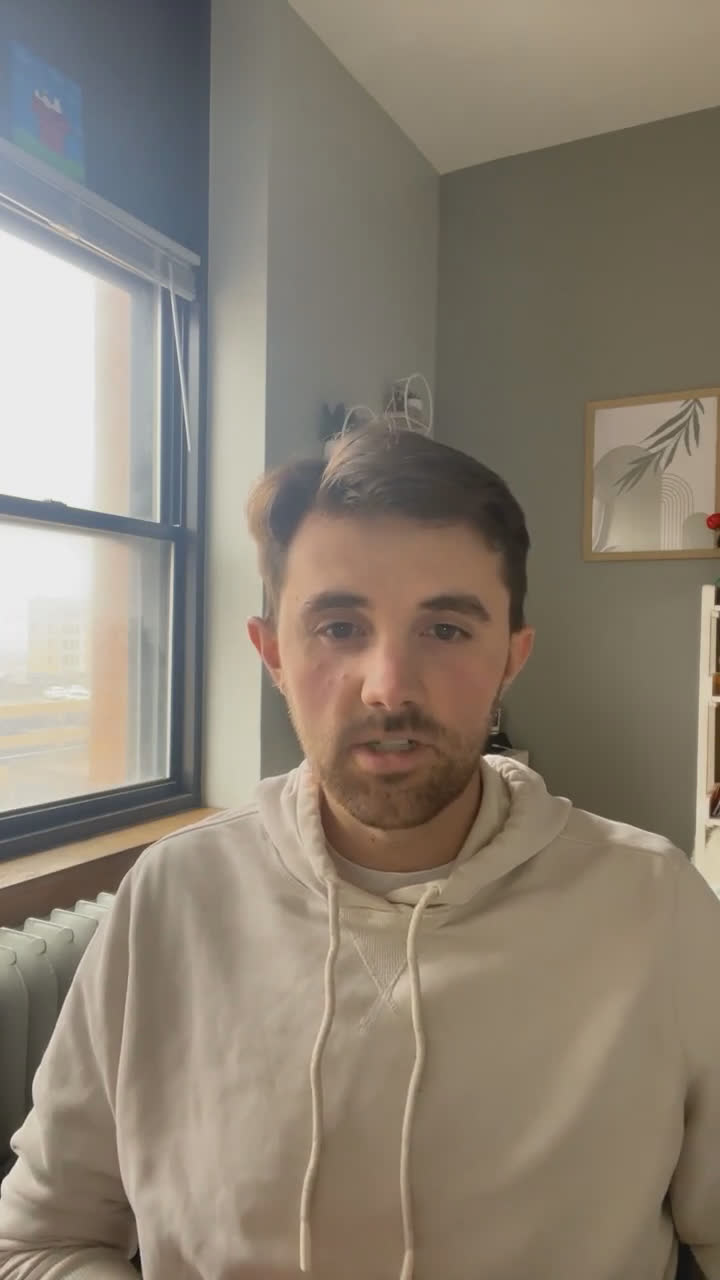
A discussion of versatile leadership that explains the concept, its rise since 2006 and relevance in changing environments like COVID and AI, and how leaders adapt styles to meet situational needs.
Hello. Let people join in on this Monday afternoon. We'll give it a couple minutes here. Welcome.
eb: It's rainy and drizzly up here in Duluth, Minnesota. Hope it's nice wherever you are. Let people join in if they want. Hope your Monday's going well.
Rob Kaiser is one of the founders of versatile leadership. Can you change your leadership style to match what the environment needs? Leaders need to be able to adapt and change to all these different environments. If you're a leader that's good at one thing, you kind of die out.
Hello. Hello. Welcome. We'll give it a couple minutes here. Let people join in on this Monday afternoon. Now, slow morning for me. It's rainy and drizzly up here in Duluth, Minnesota, and it's cold, and so. So it's been a slower morning for me. Hope it's nice wherever you are. I know it's raining in most of Minnesota. Hopefully it's warmer than here in Duluth. Give it about one more minute here. Let people join in if they want. Hi, eb. Hope your Monday's going well. Okay, so today I'm talking about one of my favorite new topics.
I'm talking about versatile leadership. It's older and newer concept within leadership, but I just came across it again about a week ago, and I am thinking it's very relevant now, and it's becoming more and more relevant. So versatile leadership started the research with versatile leadership started back in 2006, but with COVID people saw the crisis going on and they thought about everything that's changing, and they looked more into versatile leadership. Good afternoon, everyone. Hi. So, versatile leadership is more of can you be the best leader in different situations?
Can you change your leadership style to match what the environment needs? So during COVID they saw all these changes, and they thought, man, this. This environment really speaks to versatile leadership. And Rob Kaiser is one of the founders of versatile leadership. He's down in North Carolina. He's a researcher and consultant down there. And he started studying it during COVID and he continues to study it now, looking at how different the world is changing every single year, with AI now becoming relevant, just technology in general, the economy is going global, and all these different changes, I can just look back in my college experience.
I'm going out of college soon. But when I started college, nobody used Zoom. Most of my stuff was on paper. Most of my homework was on paper. But now, I mean, you can probably see it in your jobs as well about how different five years can make. Because we saw COVID and all this technology change, and so they're looking at leadership the same way, is that leaders need to be able to adapt and change to all these different environments. Because if you're a leader that's good at one thing, you kind of die out.
Think about when we started looking at the older research and leadership saw Steve Jobs as a transformational leader, but he was at the top, and he saw, he was very motivational. But day to day, he wasn't the best kind of leader to motivate people because he was very hard on everyone. And then you can look at people who are very job specific, but they struggle at running the company. So it's, how can we put all this together? And it turns out that the best kind of leaders that we see now are the ones who do put this all together or transformational when they need to be motivational.
They are very detailed, and they can tell you exactly what you need to do when you need to do it as well. When that's needed, they can go back and forth between being this leader who's up in the clouds and looking at the big picture, can zoom back in. So they say that they need a lot of fields to look at different perspectives. They need to be able to change their behaviors to deal with all these changes. So they need to really dictate their behaviors to match the environment instead of the environment matching them as well.
So they need to be decisive when they need to establish clarity and direction. But then also when they need to look at the big picture, they can use participation and the empowerment of others to involve them and motivate them so they can change this. They can be in a meeting, and they can tell when people need to need authority or when people want to speak their minds. They can change how they lead them. So with leadership, we saw that. Yeah. Just going off that more, I had the idea of think about a baseball player who can only hit home runs.
Very good. He'll be fun in the lineup every now and then, because you'll see him hit a home run in the crowd and go crazy. But then after a week or so, he was only hitting home runs, but he's striking out ten of his at bats when he hits one home run for every single one. So over time, he's just gonna, you know, slowly fade out, and he's not gonna be a good baseball player overall, and he can't stay on that team. So it's kind of the same thing. If a leader is only motivational, he's not gonna be, they're not gonna be a good leader.
Or if somebody is only making decisions for everybody, and it's very decisive in telling them what to do, it might help in some circumstances, but it's not going to help in all circumstances. So it's putting all these together to be one whole leader. And the way they look at this is, and they can test it in people. They can see their decision making skills. They don't look at it like, oh, I want to attend on decision making skills. They see if that person look at, do they fall in the middle? Do they land somewhere in the middle?
Are they good at doing both where they make decisions and listen to others. And then you can do this in your daily job. It's not just for leaders as well. You can kind of be more aware of when you go into the meetings of what you need to do as a team member. What do all your team members need from you? So they say that versatile leadership, or just a versatile employee can walk in the room, read the room, and then change their behaviors effectively. Now, this aligns a lot with authentic leadership as well.
So authentic leadership would be you walk in the room, you read the room, and then you change to match your behaviors to your values. You change to match who you want to be, who your authentic self is, who your authentic self, who you see as authentic self is. And that comes with self awareness, too. And this goes into next week when I'll talk about what I call aim. It's based on some research that comes from Columbia University and their business school. So it's when you go into a meeting, you can walk into the meeting before the meeting, know what the situation is going to be, know how you want to be, and then decide how you want to be that way.
So, yeah, versatile leadership, versatile employees as well, and versatile team members. It's just, it's not about being the same person, having the same. Being really good in these skills. Can you be good across the board and change those skills to match the environment? Stick here, right here on Cadre. JC is going to be here at one, Nick Hanson's at two, and then we got Daryl orglaze at five. Talking about time, asking, are you an investor or a spender? So I hope you learned a little bit today, and I hope your rest of your Monday goes good.
Bye, everybody.
Reactions and comments are for members. Joining is free and takes a minute.