The cycle of anger impacts our relationships, but we can’t stop the cycle if we can’t identity it.
The cycle of anger starts with a trigger. A triggering event, a negative thought, an emotional response, a physical symptom leading to your behavioral response. If you slow down and think about it, you might be experiencing this cycle of Anger multiple times a day.
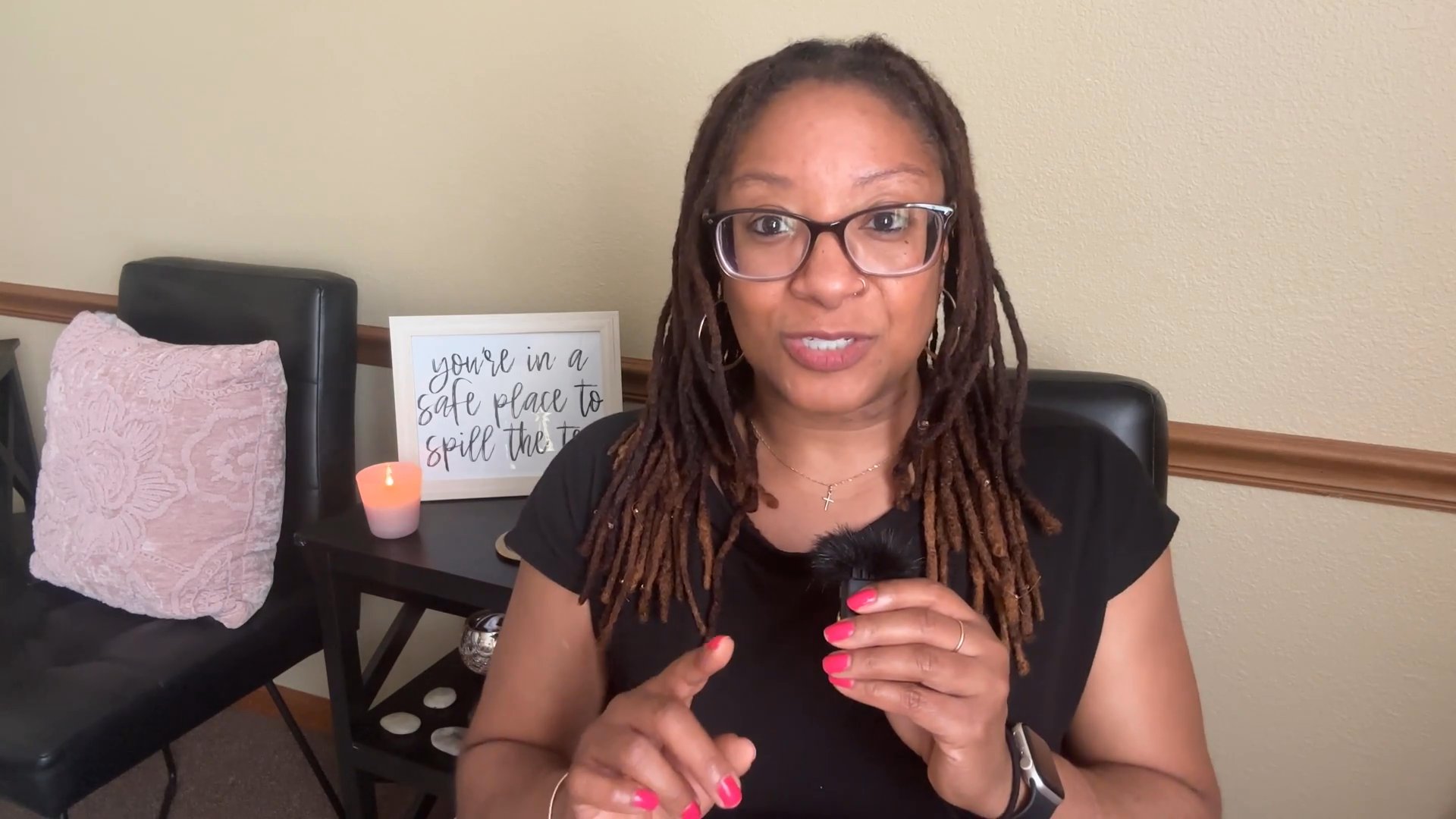
Hey, there. My name is Doctor Leslie Davis, and I'm a licensed clinical professional counselor and relationship expert. And I want to ask you, did you know that anger has a cycle? You might be trapped in this cycle of anger and not even be aware of it because you just don't know what it is. So let me tell you, the cycle of anger starts with a trigger. That trigger can be anything. It can be something that actually happened or something we perceive to happen. So, for example, maybe your partner forgot that you had dinner plans and they didn't show up and that ruined your night.
You're really expecting to connect with them. So that made you feel hurt. Maybe the trigger was someone said something to you and it really shook you. You just didn't have the time or capacity to absorb that comment. And so that triggered you after your triggering event, that will lead into what's called our negative thought. Our negative thoughts are something negative about the situation, about the trigger that you just experienced. Once you have that negative thought in your mind, that will lead into an emotional response, maybe you feel hurt or angry or sad or maybe lonely.
And with that emotional response, typically it's going to be a negative or an unwanted emotion that leads into a physical symptom. Your physical symptom could include things like a headache or a racing heart, or maybe you get hot. Maybe your stomach starts to hurt. Whatever that physical symptom is, you're going to pay attention to that, because what happens next is that leads to a behavioral response. So what did you do about all those things that just happened? Your behavioral response might be you yell, or it might be that you just shut down and you don't want to talk to that person that hurt you.
So pay attention to the cycle. A triggering event, a negative thought, an emotional response, a physical symptom leading to your behavioral response. And think about this. How quickly does that cycle of anger happen for you? Does it tend to happen fairly quickly? If you slow down and think about it, you might be experiencing this cycle of anger multiple times a day or multiple times a week, and you might not even pay attention to it, because sometimes anger is just so loud. It's just buzzing all the time.
We don't even notice it. So I want you to slow down. Go back. What's your trigger? What's your negative thoughts? What's your emotional response? What did you feel in your body, and what did that lead you to do? Try it. Let me know how that works for.
Reactions and comments are for members. Joining is free and takes a minute.