Kathryn explores the concept of intentional leadership as a mindset and lifestyle, contrasting short workshops with long-term apprenticeship-style development and how leaders balance daily fires with a strategic vision for growth.
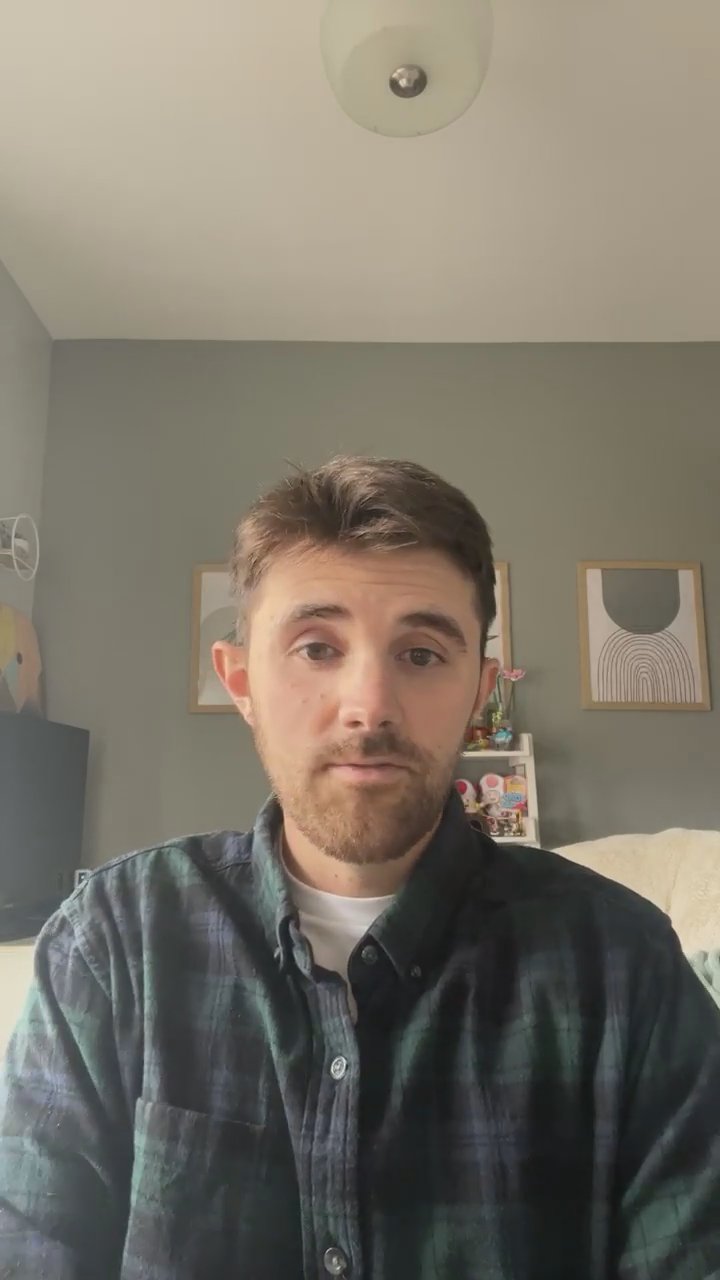
Cold and rainy up here in Duluth, Minnesota. So I broke out the flannel, which hasn't been out for months. It hasn't yet really warmed up in northern Minnesota yet.
Kathryn: We're going to be talking about something called intentional leadership. When we talk about leadership development, it's not just about attending workshops or programs. True leadership development is more about that mindset and a lifestyle. The secret to effective leadership comes in this informal time.
Hello. Hello. Give it a couple minutes here. Wait for people to join here. Hopefully on their lunch breaks, depending on where you are. Noon here in Duluth, Minnesota. Hello, Jules. Hope your Monday's doing well and had a good week last week as well. Cold and rainy up here in Duluth, which is, I mean, I'm surprised but not too surprising for Duluth. So I broke out the flannel, which hasn't been out for months. But yeah, cold and rainy on this June 17, hasn't yet really warmed up in northern Minnesota yet.
Hello, everyone. Thanks for joining. Give it about one more minute. Good afternoon, Jules. Hi, Ashley. Nice to see you. So, as the title of the live stream suggests, we're going to be talking about something called intentional leadership. It's not much, not much research has been done about it, but there's a lot of talking about intentional leadership in papers and blogs and podcasts and other things. Yes, my family's down in the cities, and it's been raining like crazy down in the Minneapolis St.
Paul for the past day, and then on Saturday as well. Now it's coming up north here this afternoon, so it should be interesting. But hopefully the rain will stop by the time you get there. Jules. So intentional leadership, not much research has been done about it, but let's go. Imagine waking up every morning. So what's the first thing on your mind? Probably work, and probably the priorities that you have at work. Most often, these priorities revolve around dealing with these immediate problems or putting out the fires, as people like to say.
But then you often kind of daydream and think about the future and what you're going to turn into as a leader or as a worker or as a person. And that vision for a better future where, where we achieve more and more and more and kind of have fewer struggles. We don't think about the future as having all these fires in it. So this constant juggling act between managing today's fires and dreaming of tomorrow's gains often overshadows the strategic focus we need to continually improve and become that person who we hope to become.
So when we look at leadership development. Welcome, Kathryn. Hi. When we talk about leadership development, it's not just about attending workshops or programs. True leadership development is more about that mindset and the lifestyle that we choose to have. Think about apprenticeship. More used in trades now, but not often used in business anymore. And apprenticeship would have these newcomers come in and directly learn from the experts, from the people that they come over, absorbing all of their skills, all of their knowledge through daily intentional training.
And this would take years and years before they would finally pass down and give this person the reins to do that skill. This wasn't just a short term day or conference or workshop for these people, but their lives for several years just to absorb training and practice these skills. So now we look at modern training, and we've kind of drifted away from that apprenticeship approach, at least in business, in trades, you still see it from that hands on approach. So it's easier to send someone off to a course or this development training and give them the trainings, expect them to be transformed.
But with leadership growth and their true development as a leader, this requires a more long term fix instead of that temporary fix we often use with leadership development. Jeremy Kubasek, who kind of has some of the first writings about intentional leadership, and this was about 15 years ago, so it's kind of old. But when you look at leadership theories and leadership in general, that's a pretty new type of leadership. We're looking at as transformational leadership is about 40 years old, maybe even 45, 50 years old.
I would put intentional leadership up there with the other leadership styles I often talk about, like versatile, agile, situational, these newer forms of leadership that are coming in. But Jeremy Kubasek, when he's talking about intentional leadership, he broke it down in two time. And there's two types of time. There's formal and there's informal time. Formal includes those scheduled meetings, work activities like presentations, customer calls, and project tasks. Things that are kind of on our schedule, on our to do list.
And these moments we prepare for, we perform in. And these are like the structured parts of the day, but informal time. And these are the gaps in our schedule, like the drive to work, the few minutes before meeting, the lunch breaks, casual conversations in the gym, or kind of standing around cooking dinner. And probably not too surprising when you add it up minute by minute. We have more informal time than formal time throughout the day. And the secret to effective leadership comes in this informal time, using this informal time wisely and using it to train to reflect on skills that we learned throughout the day, or maybe learn more things like listening to a podcast.
This is when effective leadership, this is what they do differently. Effective leaders do differently. One thing I've talked about before, and that's called setting an aim, and doing this before going into a meeting, going into a sales pitch, but setting an aim during this informal time you might have before a meeting, you have a couple minutes. Think about awareness, the intention and the motion. So awareness, what am I going into? What type of meeting am I going into the intention, who do I want to show up as?
And does this align with my values? So, coming across as authentic as a leader, who do I want to be seen as on a team, who do I want to be seen as? How do I want to help the team? And then the motion is, how do we put this in motion? How do we put our intention into motion? How do we get those intentions across to our whole team? So using a little couple minutes of informal time to really strategically plan who we want to be in this meeting that we're going to. So using this time wisely, this informal time wisely is what Kubasek named as trading up.
When faced with the choice, taking the high road not only makes us feel better, but also builds capacity as leaders. It's being about intentional and how we use our time and opportunities for growth. So, and I forget what the theory behind this is called. I can find it. If anybody reaches out to me, I can find research on it. But you really, when you trade up like this, it's building endurance for you to continue to trade up later on, later days, just like a runner and a strength, strength training, you build muscle same, it's the same thing as your, in your brain.
Your brain is also a muscle. So when you trade up, it becomes easier to trade up later on. And just like strength training, it's going to take some of our resources and kind of tire us out. So it won't be easy at first. You can't just go all in. And that's kind of why if you're like, I'm going to, you know, read every single night forever, and then you do it for a couple days, you kind of get burnt out from that. But just setting aside and building up that capacity, that's how you can really make change in your informal time and also using it wisely as well.
Building that self awareness to know, well, my informal time right now, if I want to show up, right, might be kind of what we talked about last week, Jules, you mentioned going for a walk. So my informal time, if I want to show up the best way I can, might need to be going for a walk and kind of escaping for a minute. Or maybe I have kind of the resources and the energy right now to listen to a podcast or a YouTube video that could help me later on. So going forward, there's kind of four things with intentional leadership to be mindful of, and it's time management, continuous improvement, team and organizational growth and personal growth.
Time management, just kind of using that informal time wisely to back it up. The research has shown that 100 corporate, from 100 corporate leaders, the ones that used their informal time effectively, saw 75% more effectiveness in their leadership roles. And that goes with that. Continuous improvement. Using that informal time wisely and being self aware and also humble enough to say, hey, I do need to improve my skills and become a better person. And letting your team help you with that. Teaming organizational growth again, being humble and honest with the team, saying we need to get better.
And then being a team player, whether you're the leader or a role on a team, being a team player in that role and then personal growth, being able to learn the skills where you need to develop and being honest with yourself and that you need to develop those skills. Being vulnerable to yourself and saying, hey, these are the areas that I need to improve. And then using that informal time wisely. So I challenge you today. Just make one small change in your informal time. Just find one piece of your day where you can say, hey, I could do something like listen to a podcast or read tonight for a half hour or do something small or maybe take a break, but make it an intentional break to let yourself recharge.
So just use one piece of your informal time today to do something effective. So thank you for joining. We got JC on in just about 15, 1518 minutes here. Talking about bold followership. You can check out the whole schedule right on the app if you click on the calendar icon. So thanks for joining. I hope everybody has a great rest of the week and I hope you stay dry, Jules, as you head towards the cities. Bye everyone. Bye.
Reactions and comments are for members. Joining is free and takes a minute.