Trauma: tough thing to put a shot clock on.
Luke Wendtland: Monday motivation comes from his wife's idea. She wanted another dog as a playmate for four-year-old Luna. They rescued a dog that had been locked up in a puppy mill for three years. Luke: I hope today hits home for some of the individuals you work with.
We all need to slow down. There's a lot of trauma that individuals have went through. And as Sherry says, healing is a process. Think about how you show up for other individuals that have gone through trauma, grief, loss. Ask yourself, am I showing up the best for them?
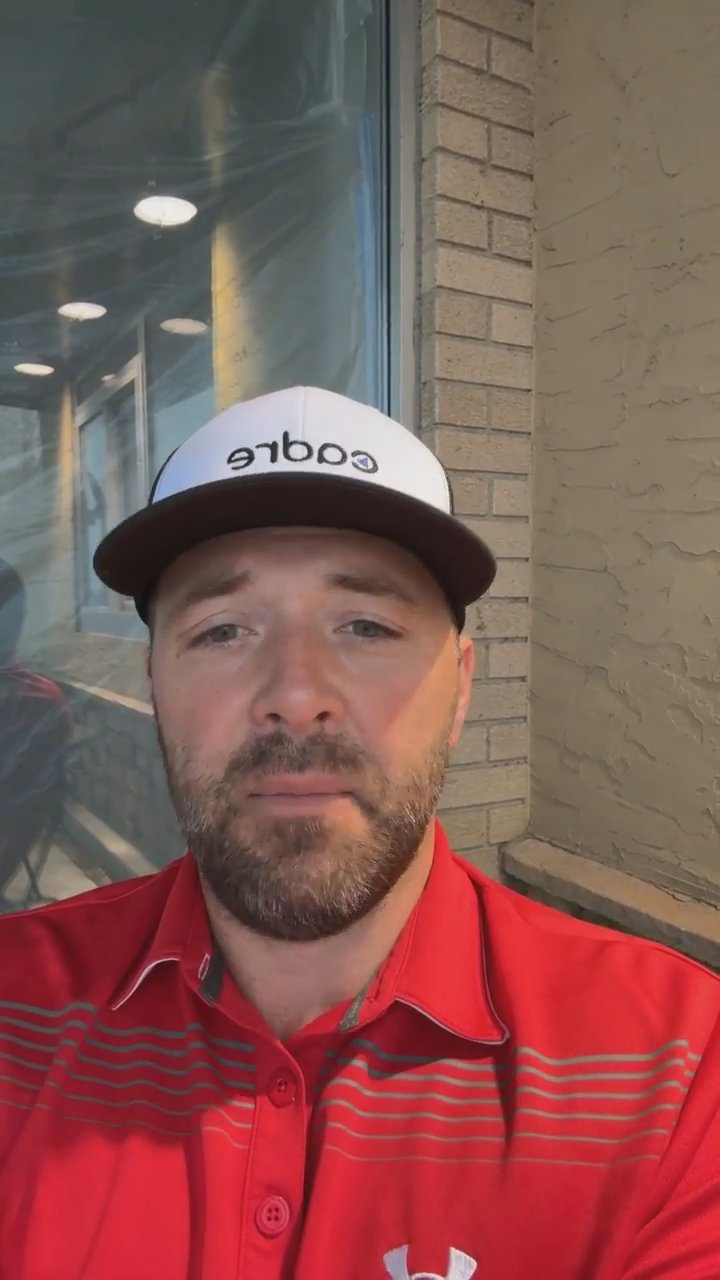
Good morning. Good morning. It's Luke Wendtland, Monday motivation. This one comes from White Bear Lake, Minnesota, direct from my wife's idea. So her and I kind of always talk about my Monday motivations, and we discuss, you know, what, what do you think people would like to hear and why? And I always like to storytell, but I like to storytell that brings realness into our world. So I hope today hits home for you, maybe some of the individuals you work with, some of the people that you get a privilege to go on this journey that we call life.
So let's give it 1 minute while everybody comes in. Oh, my gosh. What a great, great day. I hope you are all well. I hope everyone is. Have a good weekend wherever you're located, from the United States or Canada and Mexico, I guess, but good morning. Good morning. Good morning, everybody. Good morning. Good morning, Sherry. Good morning, Jules. Good morning, Amy. I'm seeing a lot of faces popping the live stream. This is awesome. So about two or three weeks ago, my wife made a decision that she would love to have another dog as a playmate with Luna, because if you guys have been listening to any of my live streams over the years, our beautiful girl Layla passed away after a little over ten years.
And Luna, who's four, just kind of. I mean, she was going through, like, just this depression, and she's just having a hard time with it. And we thought maybe we should get a playmate. And so my wife brought up the idea of, what about rescuing? What about rescuing? How about if we rescue a dog? And as I always do with my wife, I say I'm. I'm down for anything, you know, if you want. If this is what you'd like. Like, let's. Let's do it. And so she did her research. She did her research. She went through.
She found out the organization she wanted to work with, which was called Coco's heart. Coco's heart was amazing to work with, by the way. So we worked with this organization called Coco's Heart. You have to go through this pretty extensive background check, and then you go and meet with the individual who's fostering, who's like the current temporary foster of the dog, and you do an interview, and then you meet with the dog, and it's a pretty big thing. And so we went through the process, and finally, we are in our three day, quote unquote trial phase, which you have kind of like three days to say, this is a fit for our family or not a fit for our family.
It works, or it doesn't work. And, you know, I would have to be lying to everybody when I. When I would say after the end of three days, I was kind of like, I don't know if she'll ever come out of this funk. And then I thought about it and I thought about it and I was like, who am I to. To tell either a other people or be other animals to get out of their trauma? This dog, for three years, has been locked up in a cage for literally three years. The entire existence of this dog's life has been locked in a cage.
And what's more, has been basically taken out to be bred and have litters of pups. So all this dog has done has been in a puppy mill, for all intents and purposes. And then littered. Littered a litter of pups that the owner can obviously sell and then back into the cage. I mean, like our paperwork literally says, this dog has been basically in a cage 20 of 24 hours of its life for the first three years and two months, whatever it's been, give or take a month. And I think it's really important that we take a step back and we think about this moment and we say to ourselves, who are we to put a shot clock on trauma?
Who are we to say, you know, get over it? Who are we to say, you know, this should be better by now? Who are we? So my wife and I chatted about this last night. We were sitting up of talking a little bit and we were asking ourselves, like, when do you think we call her bug? When do you think bug will kind of show maybe a little bit more affection? Or when do you think she'll come out of her crate more? Or when do you think she'll come? And this is what I told my wife. I said, I'm going to make three months, six months, nine months and twelve months check ins.
So 90 days from now, let's talk about it. 180 days. Let's talk about 270 days, 365 days. Let's talk about it. But I think one of the things that we've done in our world as human beings is we've identified things that people go through, sexual abuse, trauma, substance abuse, mental health, psychoses, you name it. And we basically say, why aren't you better yet, as a society, we do this, and individuals, we do this. And I would be 100% lying to myself and everybody else on this planet if I didn't say sometimes I was one of those people that say, like, why isn't this process going faster or quicker?
Or get over your anxiety. To my eleven year old son sometimes about things. And I think this is just a great example with this story that we all need to slow down. We need to take a step back with everybody we work with, with everybody we correspond with, with everybody that we have the privilege to come across, to work with in our life, and to say, man, there's a lot of trauma that individuals have went through. And as Sherry says, healing is a process. And it's a great perspective, great perspective and reflection on this process.
And I think what's even more important is timing. And so, like I told my wife, I said, honey, I'm playing the long game. I am playing the long game, and I am going to love and love and love this beautiful, we call her buggy, this beautiful Boston terrier that has been through so much trauma, and I'm going to love her back to life. And it may take a while, and I'm totally cool with that. So the next time you're faced with somebody who is dealing with trauma, grief, loss, instead of asking yourself internally in your brain, why aren't they here yet?
Maybe meet them with, you know, I'm going to be really, really patient through the process. I'm gonna. I'm gonna be really, really, really patient through this process. So I hope that you all take this one in today and really think about how you show up for other individuals that have went through trauma, grief, loss, mental health, substance abuse, etcetera, and ask yourself, am I showing up the best for them as a colleague, as a partner, as a friend, as a family member, as an acquaintance, as a stranger?
Am I showing up the best for them? Because we could have easily given that dog back at the end of three days and said, this isn't for us. Or we could have. We could have sat in our feelings and said, this is a process, this is a journey, and we are going to love this little puppy back to life. So, love you all. I hope you all are finding ways to love things back to life yourself and have a wonderful Monday. And I hope this motivation sits in a really different way today. Not goals, not drive, not how, you know, 1% better every minute of the day, but more along the lines of, like, how am I showing up?
All right, take care, you guys have a wonderful week. Lift each other up, animals or not. Take care, you guys have a wonderful, wonderful week. Bye.
Reactions and comments are for members. Joining is free and takes a minute.