Tapping into your innate abilities to lead regardless of your title
Today is professional development day, so it's really all about you. I wake up every day and try to just have a little gratitude for each day. Mondays are no different. They just feel a little different because we've put so much pressure on what a Monday might mean.
When someone asks you, can we talk? It's a simple phrase. But immediately, we go into our own little spiral. It's almost as if we create a protection around ourselves so that we're prepared for what to receive. When we ask for it, we have stopped that spiral.
Receiving feedback can be really, really difficult. There are strategies that we can do to try to help feedback feel better. The joy of being human is that we're unique. But it's also a pain point to being human.
Sometimes we need to balance between that fight or flight and the openness to just receive. We all have preferred ways of how we want to receive feedback. When we can show up to those conversations in a more collaborative way, that helps to build the relationship.
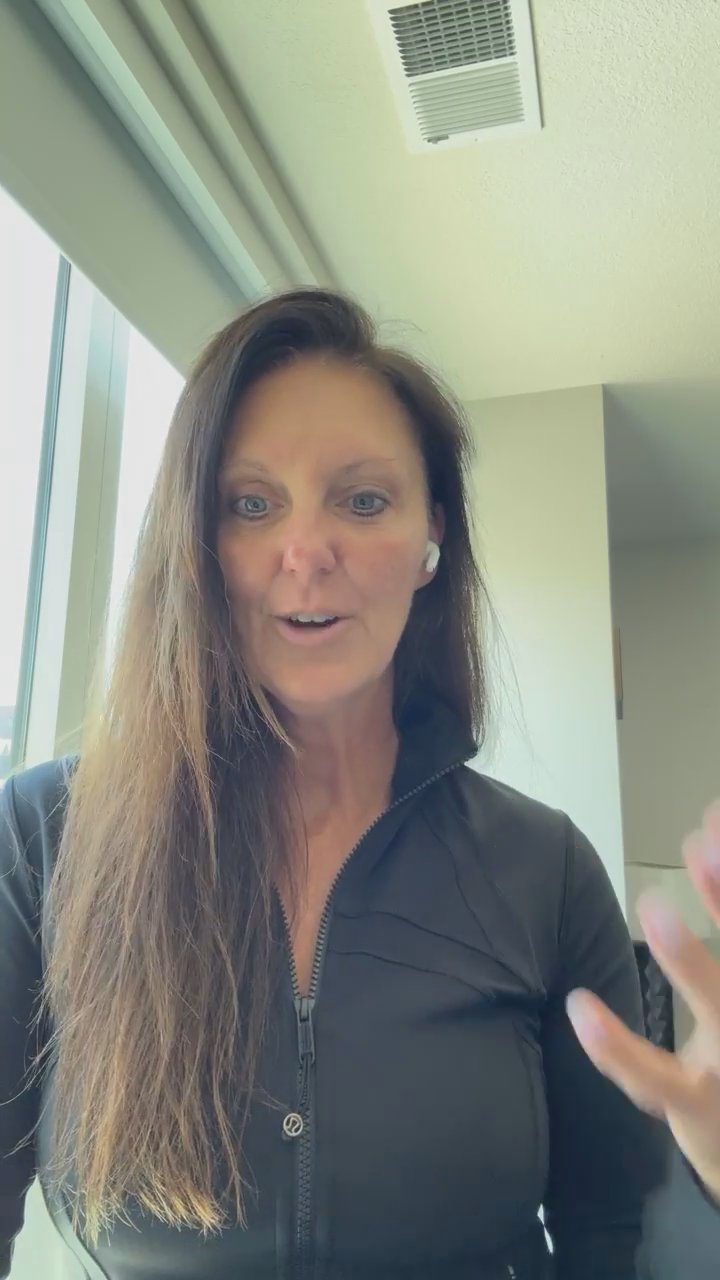
Hello, everyone. Happy Monday. I'm gonna piggyback off of JC this morning, and I'm gonna ask, simply ask, how are you? How are you on this Monday? I'm in Minneapolis, Minnesota. It's sunny, it's beautiful. It was cold last week, and when I say that, I'll laugh, because it was 70, so it wasn't like a normal, cold Minnesota day. Today is professional development day, so it's really all about you and how you can continue to develop as a leader, as an individual, as a human. In all of the work that I do, I remind everybody that we're humans first.
Hello. Speak wonder. Hello, doctor Susie. Welcome. Happy Monday. Now, I don't know how many of you on a Monday spring out of bed and shout to the world, it's Monday. Yeah. Because we're so excited to get going. I would be lying if I said I did, but I do wake up every day and try to just have a little gratitude for each day. And Mondays are no different. They just feel a little different because we've put so much pressure on what a Monday might mean. Now, today in our conversation, I'm going to invite you to remember back to a time when someone gave you feedback.
It doesn't have to be good feedback or negative feedback, just feedback in general. Think about that moment with that manager, that boss, that colleague, a parent, a friend, a teacher. And they start the statement with, can I give you some feedback? Now, I don't know about you, but whenever I hear that or when I get a text message or an instant message that says, can we talk? My first thought goes, oh, no. What did I do? Anyone else? Maybe I'm the only one, but my first thought oftentimes goes, what did I do?
What's wrong? What's going on? What do I need to be prepared for? And my head goes into this spiral of trying to figure out, before I even jump on the call, what the possibilities of this conversation might be. What was the last interaction with that person? Good morning, Jules. What interactions are coming up? What work did I do? And I don't know if you're like me, but the spiral sometimes can be very hard. Speak, wonder. That's what you do. That's your immediate response also. Thank you. I don't feel alone.
I appreciate you. But that first thought, when someone asks you, can we talk? It's a simple phrase. It could mean they want to share with you something so exciting. But immediately, we go into our own little spiral. It's almost as if we create a protection around ourselves so that we're prepared for what to receive. Very different than if we initiate the conversation and we ask somebody if they would provide us some feedback on an email we sent, or a letter we sent, or a draft of a presentation, or how we performed a speech or anything like that.
When we ask for it, we have stopped that spiral and we've created our own protective barrier. For what? The possibility of what they might say. And we have set that container. But when someone reaches out first and says, can we talk? We just don't know. Jules. I feel the same way. The phrase makes my heart leap into my throat. As I've mentioned before, I co own a business. And when anyone on my team sends me a text that says something like, can we chat? I'm almost 90% correct when I think, okay, they're leaving.
They're gonna roll off the team. And most of the time, not all the time, but most of the time, I'm right. That instinct is there. And it makes me sad because I love our team so much. So I never want anyone to leave. Now, receiving feedback can be really, really difficult. And I thought today might be a really great day to talk about that because there are strategies that we can do to try to help feedback feel better. Now, if we're someone that manages people, we can take our past experiences on receiving feedback.
And we can remember those, because at the end of the day, whatever level or hierarchy or position we have in an organization or structure, we always came from somewhere. We always started at the beginning. Right? That sounds like a silly statement, but when I think about some of my clients that I work with, I work with a group of finance leaders, and we are going through a major transformation. And I had to remind them that even though they were in this director level position or higher, they started as an analyst.
Every single one of them. I myself started a first job right out of college. We all did. We were never just immediately at the top of some hierarchy or immediately jumped ahead of everybody else. We all started at baseline, so we can all remember what it was like to feel positive or negative feedback. Now, what's important to remember is how I like to receive feedback. I, Jean, versus how speak wonder or doctor Susie or Jules might like to receive feedback is very different. The joy of being human is that we're unique.
But it's also a pain point to being human, because we're unique. When you're in a position of managing people or giving or receiving feedback, or having just a general conversation. So I have somebody on my team right now that took one of my instructors classes recently and all instructors, we all. I also teach indoor cycling classes. We all suffer a little from imposter syndrome. And I would say that's probably common across every job on the entire planet, that at some point in time we will all feel like we don't fit, we don't belong, we're not enough insert anything that's just part of being human.
And one of my instructors, I'm coaching her into becoming a lead on our team and she's very resistant to it. So today she sent me a text and said, hey, I took one of the other instructors classes and she asked for my feedback and I wanted to see if it was okay if I gave it to her. And my feedback to her was my response back to her. Washington, you are a leader. You have proven that you can train other people on the team. You come from a place of your heart to help our team grow and become stronger together.
You don't need my permission, but if there's something that I need to know, then you should let me know. And I followed it up with, and I said, I don't know who in the past for you made you feel like you weren't a strong leader or able to give good feedback to people. But I'm letting you know I'd like to talk to that person so I could share my perspective of what I see today. So where we came from doesn't mean that's where we're at right now. We all have had opportunities to give feedback to somebody, whether it's a child, a sibling, anyone, a co worker, a colleague, a server at a restaurant, like all of it.
The difference is that we know how we like to receive feedback and we assume that everybody we interact with wants to receive feedback the same way that we do. And that's not always true. Now, if we're coming from a place of positive intent and we're really trying to help lift up that person versus dump on them with all of the things that we thought were wrong, right? There's a difference. One is me letting go of an emotion, my reaction to something. The other is I want to help lift you up. I think you have an innate opportunity to expand broader, to be taller, to do more, be more.
I want to help lift you up. So anytime I'm working with someone on the art of giving feedback, and I really like to consider it an art, is there's always the invitation first. Would you be open to receiving some feedback? Open invitation? Maybe they're ready for it, maybe they're not. Maybe they expected it, maybe they didn't, but it's opening up to that possibility. And then the second question that I usually like to ask is, how do you like to receive feedback? Sometimes I'll have someone say, could you just put it in writing so I can digest it first and then come back to you with questions?
And if time is available for that versus sometimes we need to do things in the moment, then I'm like, yeah, sure. And then I always put a note on my calendar to follow up with them to say, hey, did you get a chance to read my email? Let's have a conversation. That way they can be prepared. But when we get that little bitty text message or note that says, can we talk? And we go into our own spiral, what happens? I know that Jules already commented that that phrase makes her heart leap into her throat, right?
We have a reaction. Not every time we get that text or that message will it be something negative. But our mind takes us to that time when somebody did ask us if we could talk, and then they did give us something not positive and we weren't ready for it, or we didn't know what happened. So we instantaneously create a fight or flight syndrome within our own selves when simply they might just want to have a conversation. I had that happen with me just recently from an individual that I'm collaborating with.
And the interaction before the can we talk? Didn't go as I had hoped, and I felt like there was a lot of pressure put on me that really was just kind of an outcome of this person's communication style. It was just a miss in how we communicated. So when they sent me the note that said, can we talk? I first went to, oh, no, now what did I do? Right? And then we got on the call, and they were like, hey, I wanted to compliment you on this, because what I learned from our last interaction, I applied in this interaction, and here's what happened.
And I breathed a big sigh of relief because my head went somewhere else. But what if I instead, when they said, can we talk? And I said, sure, what if instead, I just allowed it to be the possibility I might not have come into that conversation defensive. And I didn't say anything at the start. I just breathed and listened to see what was coming up. But wouldn't that feel better in ourselves? Now speak wonder. You made the comment that are about our intuition and instinct. They are real. They inform us a lot.
If we're very in tune with that, they do. So sometimes we need to have that available to us. And sometimes we need to balance between that fight or flight and the openness to just receive. Because for the most part, people haven't been trained in giving feedback or coached. Maybe somebody gave them feedback. Very harsh, and that is the model that they learned from. So my invitation to you is, you know, as we're going through our days, how might we start to consider ways in which we can give feedback differently so that that impact can spread and grow?
And how might we, when we get the message that says, can we talk? Or the spontaneous calendar invite that says check in or quick chat, we can balance the spiral that will naturally go into, into a possibility of what might this be? And take that into consideration. We'll always have a protective mechanism for ourselves that is human, that is natural. But when we can show up to those conversations in a more collaborative way, that helps to build the relationship. Again, I'm using very general considerations right now.
Ooh, I like that. Jules, do you have a moment? Right. All of those can try to be mechanisms to try to help softened. And I mentioned earlier that we all have preferred ways of how we want to receive feedback. You know, we can use the sandwich theme that so many of us have learned or was very popular for a long time. Give a positive, give a negative, give another positive, and sandwich the negative. Right? Sometimes that's not always available. Sometimes we need to get right to it. But if we can start to build trust and have those conversations with the individuals that we're working with, we can start to understand a little better how they like to receive information, how I like to receive information, because it's not always the same.
How I learn, how I work, how you learn, how you work, it's all different. But we all need to collaborate together with other people. So the more that I can get to know myself, understand what sends my heart leaping into my throat, the more I can create my own set of tools.
Reactions and comments are for members. Joining is free and takes a minute.