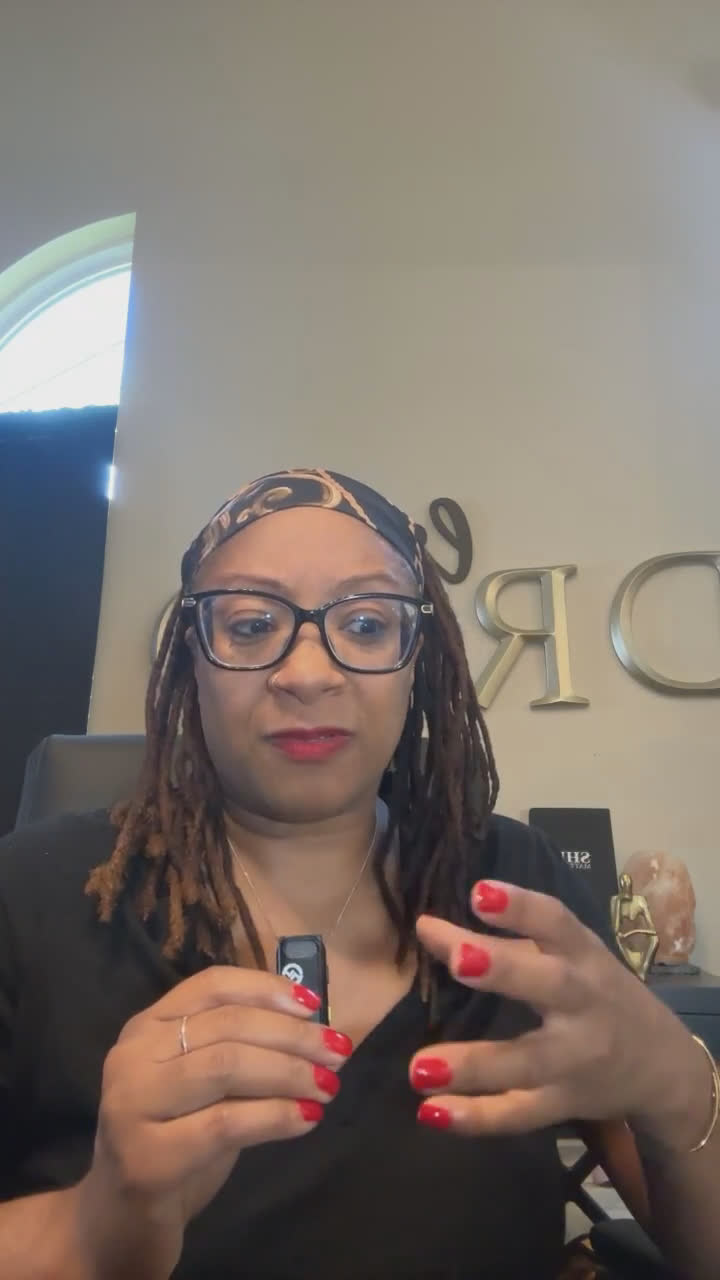
Doctor D discusses coming back from a two-hour massage after jujitsu training and the importance of drinking water afterwards. He reflects on feeling misunderstood and prompts listeners to consider others' interpretive lenses, including trauma, when communicating.
Doctor D just came back from a massage that he has been putting off for two months. He normally gets a massage once a month, and it's a two hour massage because he needs it. After the massage, drink lots of water to flush out impurities and make the massage work better.
When you feel misunderstood, consider what lens is that person using to interpret what you say. That includes lenses of trauma. Be self aware when you're using a lens to communicate.
Hey, Cadre. I feel like I am a mess right now trying to get this set up, but. Hello. Hello, hello. This is Doctor D in the building, and I am just coming back from a massage that I have been putting off for two months. I normally get a massage once a month, and it's a two hour massage because I need it. If y'all know, I train jujitsu, so my body's always tight and compacted, and I gotta have my massage therapist work it out for me. So, yeah, I'm just coming back from my massage literally, like, ten minutes ago, and I just wanted to hop on here, and so I am a little disoriented right now, but I am here.
Hello, everybody. Joining in. And today, I actually don't have coffee. Can y'all believe it? But I got my coffee mug, and I just have a little bit of water. If you've ever gotten a really great massage, it's great to drink lots of water afterwards so you can flush out all the impurities and make the massage work better for you. But. Hello, Shannon. Today I want to share a little bit experience, but encourage us to think about our words and the power of our words when it comes to connecting with others.
So I want you to think about a time where maybe you've had a disagreement with someone or just a misunderstanding and you felt misunderstood. So whatever you said to this person, whether it's a friend, a co worker, even maybe it was your partner, and whatever you said was taken the wrong way, and how did that feel? You know, for me, I recently experienced this. I've experienced this several times throughout life, and I'm sure we all have. But to be misunderstood by something that we've said, it does not feel good.
It hurts. It hurts us. Okay. What can happen sometimes when we're speaking out of our hearts and we're being honest with the person that we're talking to, because we feel like we can. We feel like we're connected with them so well that we're free to just say whatever we want because we trust that person with our genuineness. And when we're met with, I'll say a block. A block comes up where we're misunderstood, where we might be judged for what we said, what happens to that relationship? Usually there is tension that will build up, and that doesn't feel good either.
So I want you to consider, if you've said something that you were being you coming from a place of honesty, okay. You're being honest with how you feel about something, whether it's a positive emotion or a negative emotion. Maybe you're just expressing yourself to your friend, and that friend takes what you said and turns that into something that is a misrepresentation of your character. So they're judging you for what you said, and maybe they've had, you know, preconceived notions about who you were before you said it.
And so once you say this thing, that changes their opinion about who you are to them and to everyone else, but you might not know that that's what they're doing until it comes back around later in life or later in another conversation, where all of a sudden they're telling you all the things that you've said and they didn't like it and they stopped liking you, but they never expressed that they had an issue with you until things started to fall apart. And now all of a sudden, you're in a space where you've lost a connection.
So I want you to consider, what can we do about that? And thinking back, you know, when I've experienced this myself, it's important to have open conversations throughout the relationship, friendship, family, coworker, whatever. When you start to feel a certain way that is not always positive about someone, maybe it's something they say, maybe it's something they do, and you question it, consider what lens are you using? What lens are you using to evaluate that person's behavior or their words? Right.
And even the opposite when you're experiencing the miscommunication and misunderstanding. When you feel misunderstood, consider what lens is that person using to interpret what you say and interpret what you do. And that includes lenses of trauma. Maybe you've experienced trauma where that lens of trauma is now impacting how you receive information. It also impacts how you provide information to someone else. If you're coming from a place of trauma and hurt while you're expressing yourself, that lens is impacting how that information is being received.
Maybe you're using the lens of autism. So if you have any disorder, you know, anxiety, depression, anything, that is a lens that is being used in communication. And so if you're using that lens, consider how are you receiving information? And do you need to use a different lens if possible? And if you can't, you have to communicate that to the person that you're communicating with. Does that make sense? So there were times when I've communicated something about myself, like maybe I was just venting, or maybe I was just expressing and kind of processing how I felt about something to someone that I trusted, but that person was using a different lens because they were in a different space that I was unaware of where they were receiving my information and judging me for it, judging me for how I said something or judging me for the fact that I said something at all.
And that lens came into play, but I didn't know it. I didn't know it until later because we had a falling out. And then all of these things that I've said in the past came out. And what I think is important to do is you have to communicate in the moment when those lenses are being used. So you have to have self awareness. Be self aware when you're using a lens to communicate. And when you're using a lens of receiving information, is that resonating with y'all? Drop a little coffee mug in the chat for me and I'm seeing these comments here speak wonder you're saying the lens of trauma and hurt.
You have better clarity on this. You receive information via the lens of rejection. That is another big lens that we don't often talk about when we are feeling rejected or we've experienced rejection. That lens is so thick, right. And it's hard to look past that. So you have to be aware of what lens are you using when you're communicating, but also be mindful that the lens that you use or that's being used with you, that can change when you have better connection. So if you look back at conversations where you knew the person well, you had a strong connection with them.
You felt like you knew who they were at their core. And maybe things were said about that person to you, but you had a different lens to look at that person, right. So you can interpret what was said to someone else about that person, right. That the lens you have of them is different because you have connection. So when we are not really, truly, genuinely connected to people, the lens we're using is not the appropriate lens. Is that making sense? Right. So think about people. I'll just say maybe celebrity, maybe there's something going on in the news, and we're using a lens of, from a distance.
We don't know this person. We've never encountered this person. We're judging someone based off of what we see or what we're told about that person, but we don't have the correct lens to use because we don't have connection with them. And that happens all the time. We have interactions with co workers. They know a part of us, but they don't know all of us. And so these intimate relationships that we're in, those intimate relationships, they have a different lens than someone that we work with and we see on a temporary basis in a certain setting, in a certain environment.
Our family even has a different lens that they use of us. They might have a lens of our past and who we were as kids, and now we're adults, and they're still using that old lens of us being a child. Right? So consider what lens are you using and what lens is being used against you when you're communicating. So if you guys have any questions, feel free to drop those in the chat. I just wanted to come in here and just express, like, this is a struggle for me, too. If this is something that you're going through, please understand that you are not alone in this struggle.
It doesn't feel good when it happens, but if you take a step back and reevaluate out of your own lens and try to put on a different lens, maybe the lens that's being used against you, that can change how you're interacting with that person that is hurting you or you feel like they're hurting you. So I just want to thank you all for coming in today. Please get your coffee. I'm getting some after this, but I'm going to drink my water today. All right, you have a great rest of your week.
Reactions and comments are for members. Joining is free and takes a minute.