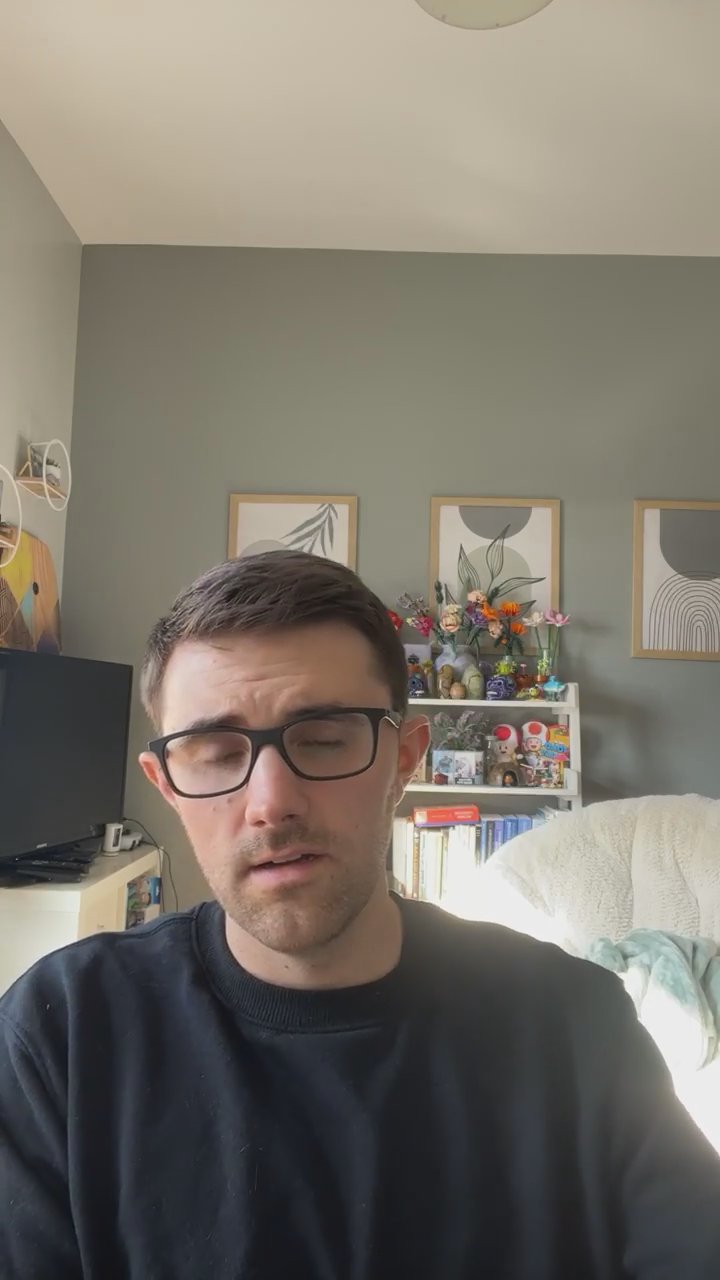
Matt Tappy, an industrial-organizational psychology contributor, shares a personal story about pulling his back and uses it as a metaphor for handling stress. He encourages pausing, breathing, refocusing, and practicing mental skills like meditation or journaling.
Matt Tappy is a contributor here on Cadre. He studies industrial organizational psychology. A lot of his research works in leaders and leader emotional labor. Welcome to the last week of October.
This morning I was lifting and I was doing some legs and I hurt my back. The last thing you should ever do is stretch it. It's better to take a breath, step back from it and refocus. It reminds me of is the same thing with your stress resilience. What I ask is to be more mindful.
Happy Monday, everybody. Welcome to the last week of October, which is pretty crazy to think about. I'll give it about a minute here for people to join. If you're watching this later, thank you for clicking on the video and spending some time with me. Hello, Nate. Welcome. Happy Monday. Give it about one couple more minutes here. Seconds here. Won't be too long for people to join. Okay. Well, I'm Matt Tappy. I'm a contributor here on Cadre. I study industrial organizational psychology, do some research with consulting companies, organized org effectiveness companies.
A lot of my research, though, works in leaders and leader emotional labor. Welcome. Hi. And today I kind of want to tell a quick story and allow time to break up your day. Take a breath, relax, refocus on what you want to accomplish in the second half of your day. Maybe it's a little bit before, a little bit after noon there. It's noon for me right here in Duluth, Minnesota. I want to tell a quick story. This morning I was lifting and I was doing some legs and I hurt my back. And that's something that's happened to me over and over and over again, starting in high school with lifting and baseball and a lot of other sports.
And I haven't hurt my back because I've been out of baseball now for almost two years. I haven't hurt my back for a long time. And today it came back. And one thing I remembered once I hurt my back was my trainer in college told me that when I pull a muscle in my back, you shouldn't go and stretch it before. I would hurt, hurt something in my back and I would go and instantly stretch it out, do a bunch of stretches and try to alleviate that way. But he told me that when you hurt your back, that means that you should just slow down for the rest of the day, maybe walk for a little bit, but don't.
The last thing you should ever do is stretch it. Because what it's going to do, it's going to aggravate it even more and it's going to tighten up even more because throughout the next couple hours, it's tightening and tightening, tightening after you pull it so you don't want to stretch it and make it type more. And now what I think this is a great metaphor is to our stress and how we regulate our stress during, throughout the day. You know, if we get very stressed out on something, the last thing you ever want to do is double down and work even harder and work even harder and work even harder.
It's better to take a breath, step back from it and refocus, you know, and whether that's reframing something or turning your attention to something else for a little bit, but it's, it shouldn't. Our, if we're feeling stressed, we should have that awareness to, to step back from it. So, and the other thing too is that it reminds me of is the same thing with your stress resilience. If you're practicing the mental skills, if you're meditating, if you're journaling, if you're doing stuff that is going to uplift your mental health, your mental fitness, you're less likely to be get stressed out.
And that's what the research shows, that mindfulness gives you more resources, more energy throughout the day to be less stress resilient. And so if you're not up with that, then when stress happens, you're going to be more reactive to it and not be prepared for it. And same thing with the case with my back is that I wasn't taking care of the things that I should have been taking care of that I was taken care of before. And then because you forget about how important that is to do the small things like making sure your hip flexors are loose or doing, or making sure your lats aren't tight.
You know, the things that don't seem to be relevant to your back getting hurt, once you stop doing those things, you're more likely to hurt your back then over time because you dwindle down those resources that you built up. You dwindle down that muscle that you built up in the areas to protect your back. The same way with stress resilience, if you take time off from doing your mental health, mental fitness practices, then those resources are going to dwindle. So when stress comes, you're less prepared for it.
So what I ask is to be more mindful. I ask everyone to be more mindful of, and not in the sense of present moment awareness, but in the sense where we are aware of how our actions and behaviors and their outcomes. If we are doing something that's causing stress, but we're not associating that thing that's causing stress to what we're doing. We think it's an outside force like me saying, oh, I can't do anything, my back is always gonna hurt, I'm always gonna hurt my back. But other things that you can do to protect yourself from hurting your back, are there stretches that you can do to help you to protect your back?
Same thing. Are there ways to help yourself find your, use your strengths to overcome your weaknesses. When it comes to stress, there's other ways to not put yourself in situations that cause high stress, as there are ways to be proactive with it. So be mindful in the sense of how are my behaviors and actions resulting in these outcomes? And because turns out you have a lot more power when it comes to that. It goes back to emotion regulation theory by James Gross, where one of the staples of it is situation modification is where if we can put ourselves in situations that are gonna lead to less regulation of motion, whether that's not that are leaving a situation because it's causing you stress or preparing for a situation in a different way, you can modify the situation that we're going into to help alleviate some stress.
So right now I ask you to, as you think towards the rest of your day, how are you setting yourself up for success and not reducing stress? Because eliminating stress because you never want stress will always be there and stress is an indication of growth. So how can you put yourself in the best way to have a comfortable stress level so you can gain and grow and learn from these situations without letting it take over the rest of your day from all this stress? So that's my quick rant about my back to get that off my shoulders because I need to tell somebody that my back hurts.
And I felt like that was a great metaphor for how we can deal with stress in our lives. I hope you have the rest of a great Monday. There's a lot of great people here on Cadre this afternoon. Just check out the calendar app to get a full list of all our contributors going live today. Thank you for joining and I hope you have a great rest of your Monday and rest of your week. I'll see you next Monday. Bye.
Reactions and comments are for members. Joining is free and takes a minute.