New ideas bout how to engage young people in the recovery lifestyle.
Chris Edrington: When you have a slip in your sobriety, take a quick assessment. He says it doesn't necessarily mean you have to go back to treatment. Edrington says recovery is more about what you do with your time than what you think.
When it comes to a slip, let's not define it as just a slip or a relapse. The most important thing I'd like for people to take away is don't beat yourself out. Recovery has to be about moving forward to more, better up.
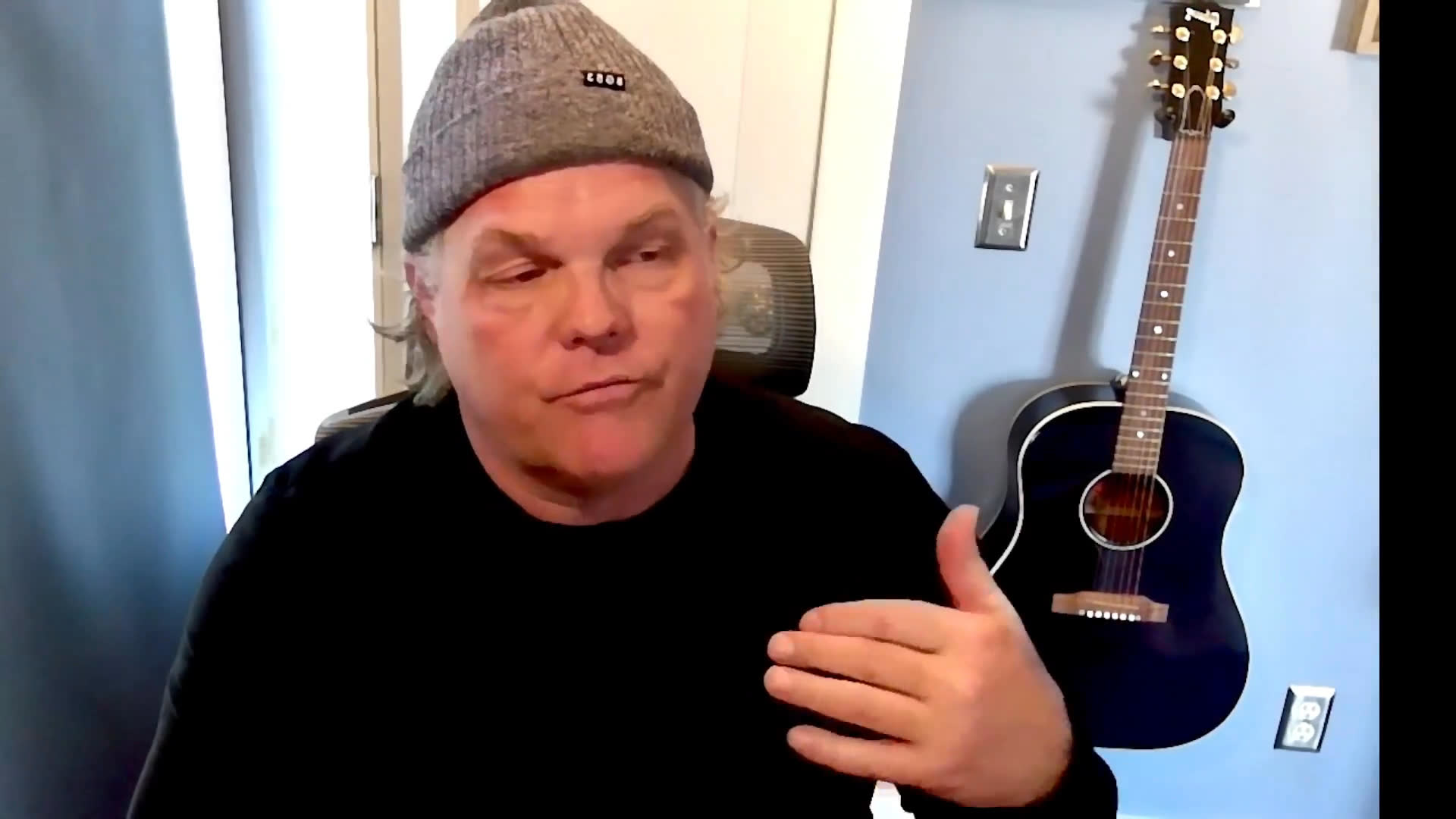
Hey, guys. Chris Edrington here. Welcome, Cadre family. Just wanted to check in on a subject that I get a lot of questions about, and that is people having a slip, usually in early sobriety. But anytime I think you have a slip in your sobriety, you have to take a quick assessment and answer a few questions. Initially, how long was the use, how much further back did you go in terms of the behavior and the consistency and some of the consequences coming back from using? That's not a slip. If it's further, if you go way back into all that kind of stuff, that's a full on relapse.
It doesn't necessarily mean you have to go back to treatment. But it's really important to understand that that line about whether I have to go back to treatment or not, or just start my sobriety over, go to more meetings, reengage, so to speak. There's a lot of personal feelings about where that line is, and I think it's really important to just take a few key points with you when you think about this, or if you have a friend or a family member who's going through it. Sometimes going back to treatment can really just be protection for a lot, for the people around you, for you.
Give you a month or so to cool down, to be in a protective environment. If you can't get away from the circumstances, sometimes a minor slip, get back on the horse, so to speak, to use an old adage that's sort of been run into the ground. But the most important thing, I think, after a slip is to take a quick assessment about what you think happened and then go forward. Don't spend forever trying to figure out what happened or blaming yourself, beating the crap out of yourself about it. Get right back into the routine.
Start surrounding yourself with people again. Talk to people who, you know, have relapsed. Find out what they did, what they thought. You're gonna. You're gonna find that a lot of people have a lot of theories about relapse, and a lot of people have a lot of questions, and everyone thinks they know what happened. And your people close to you might say, ah, you weren't doing this, or you weren't doing that. I'm not a big believer in that. I don't think that there's a lot of information in that. I don't think there's a lot of good stuff to be stirred up and dug out from that that's going to help you.
I think that you certainly could take a hard look at circumstances and who you've been hanging around with and what your routine looks like and where you're spending your time and what you're spending your effort doing, because I think that recovery is so much more about where your a** is than where your head is. It's so much more about what do you do with your time and your energy than what you just think or how you think you feel. And the great thing about people in AA and in the recovery community is they'll sit and listen to you talk about how you feel all day long at the coffee shop, if you want, and then you do the same for them.
And that's incredibly valuable. But when it comes to a slip, I think, first of all, let's not define it as just a slip or a relapse. Let's just take an assessment of how bad it is. Maybe ask a professional. And I think the main criteria for me is, do you feel safe? Do you feel like you can just put the brakes on, go home, be okay, go back to meetings, and if you can't, if it's been prolonged enough to where, you know, the phone's ringing and you're reconnected to old people who are drinking or using, and there's communication there, and there's a pattern there, you got to break that pattern.
And that may be going back to. That may be going back to treatment or at least back to a lower level of care than treatment, maybe sober living or something like that. The most important thing I'd like for people to take away is don't beat the crap out of yourself. There's no energy in that. There's no good stuff in that. We've been beating the s*** out of ourselves for years anyway. I don't see any value in that. And if you're around people in recovery who are beaten up on you because you relapsed, yeah, let's.
Let's kick those people to the curb and move on. I don't think that's. That's no good. So, like I've always said, early recovery is messy. It's really more of a mental process than it is physical. It's a lot more about what are the things you're doing and make it the way that you think is based on what you do and how you feel about yourself has a lot to do with what you do with yourself and where you put yourself and who you surround yourself with. The good news is, all those things are free. You don't have to go back and spend another 50 grand for a month of treatment.
You can just reconnect to the people around you. And it's a hundred percent free now. There are some, some, you know, idiosyncrasies with different people in that situation. So it's not all the same for everybody. But I like the idea that we talk about these things and we talk about Wolf. For me, I think this might have been something that I wasn't doing or for me, I think maybe I should try this. There's nothing wrong with that. Go try that next thing. There's nothing wrong with that. I just wouldn't spend a lot of investigation time trying to figure out what happened.
I would say, you know what? It got me. And today I lost the battle, but I'm going to fight tomorrow. And I think it's really, really helpful for people in early recovery to have some information. There's great resources and information at your fingertips. Everybody around you has got something to add and you're going to hear a lot of opinions, but do your best to take it and move, move forward. Recovery has to be about moving forward to more, better up. My sponsor always used to say, you know, we like to make up decisions.
Whatever we're faced with, we like to go up. Not over, not down, up. And that stuck with me. And so anytime I'm in a situation, whether it's a relapse or not, and I'm unhappy about something, my first thought is, do we get up from here? And I think that's really helpful. So best to everybody. Good luck. Check, check back for the next video.
Reactions and comments are for members. Joining is free and takes a minute.