"Imagine a team of trusted supporters dedicated to helping you thrive! In this quick, empowering video, discover how to create your own *Personal Board of Directors* for mental health—a personalized support network that can keep you motivated, resilient, and on track.
Dr. Jessica Green: Here's how you may approach your personal board of directors. She says identify the roles you need in five areas. Schedule regular check ins with those individuals who sit on your board. Have compassion and build connections, she says.
There's a quote that says it takes a village to raise a child. I want us to use that same quote, but relate it to the workplace because it definitely takes a village in the workplace for us to be successful. You may ask yourself, what in the world is your personal board of directors? Well, I want you to imagine you sitting in a boardroom and there are five seats at this boardroom table. So the idea is when we focus on your personal board of directors, it's a small group of selected individuals that you trust.
And we trust them with having discussions, you know, those critical and crucial conversations in five areas. The five areas include, number one, financial, number two, professional, number three, physical when it comes to our physical health, number four, spirituality and number five, personal when we need to have those conversations about our personal life. My name is Dr. Jessica Green and here's how you may approach your personal board of directors. The first rule of thumb, identify the roles you need.
Think of specific areas where you want support. Those roles may include a mentor, a sponsor for advice, a cheerleader for encouragement, and then a listener when we need to express our thoughts and emotions and be able to get them out. Or even an accountability buddy to help you stay consistent with self. Care to make sure you're pouring into your cup and not pouring into others cup as much. Number two, choose people you trust. Consider people who are already supportive of you and your well being in some way.
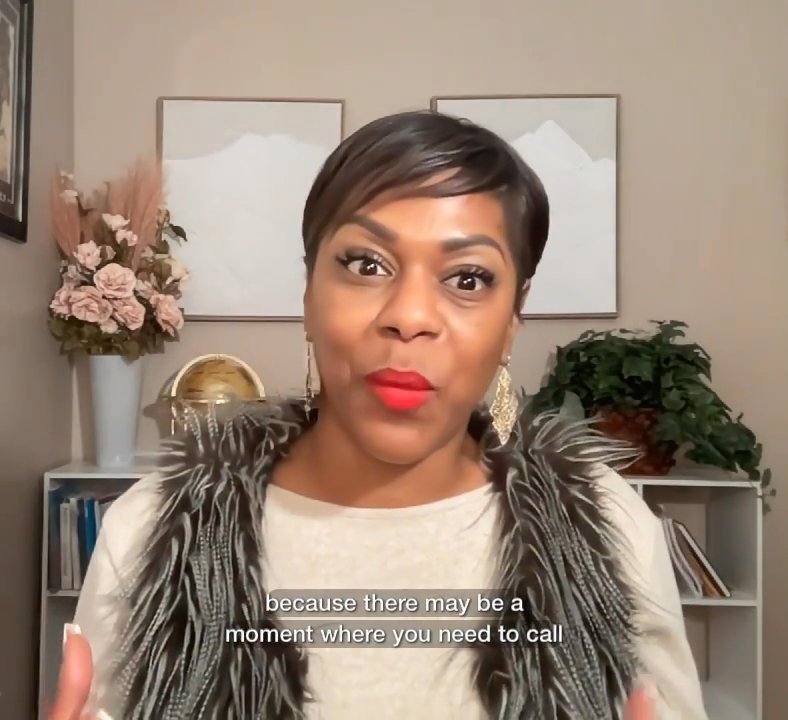
This could be close friends, family, your therapist, or even a trusted mentor. Choose people who bring out the best in you and offer good guidance, support and respect your boundaries. Understand those roles and be able to allow you be your best self. Make sure those individuals know that they are on your personal board of directors because there may be a moment where you need to call them and they don't realize you're on their personal board of directors. So they call you and you text them and they have re receipt on their cell phone.
We all have that moment where we've text someone and we know they read that message because we see that time receipt but they didn't respond. So be critical when you choose those individuals who want to be on your board of directors and make sure they know they have a seat at the table. Number three, clarify boundaries and expectations. Let each person know why you're asking for their support in this way and how you would like for them to be involved. You are the person who's writing this narrative when it comes to your personal board of directors.
It's also important to ensure that everyone is on the same page, especially if you're seeking guidance for them on a regular basis, make sure you choose someone who is worthy to hear your story. And when I say choosing someone who is worthy to hear your story, it's going to be that person who listens with intent and that person who gives you recommendations. Not only what you want to hear, but definitely what you need to hear. Schedule regular check ins with those individuals who sit in your board of directors in those five areas.
This could be a monthly meeting, a monthly call where we touch base with each other. It can be early morning coffee, lunch, or an early dinner. But make sure we have those discussions about personal growth and the importance of setting those goals and what we need to be successful. Number five, be willing to ask for help. Having a board is not only helpful for you, but it's going to help open up that communication. So we're gaining advice, gaining different perspectives, but also focusing on having those critical and crucial conversations in that sense of vulnerability.
And seeing vulnerability not only as a sense of being courageous, but in that sense of, hey, this is something that I fought hard for and I may be fearful, but I'm going to go for it. And lastly, number six, reevaluate periodically. You know, as you grow, your needs will change and it's okay to update those individuals who sit on your board of directors. Being able to have at least two individuals in each of those five categories. And whenever you have the sense of feeling overwhelmed, whenever you have the sense of, oh my gosh, I don't know if I can do this.
Reach out to someone who sits in your personal board of directors because they have a seat at the table for a reason. As always, be courageous. Have compassion to build connections, and I will see you soon.
Reactions and comments are for members. Joining is free and takes a minute.