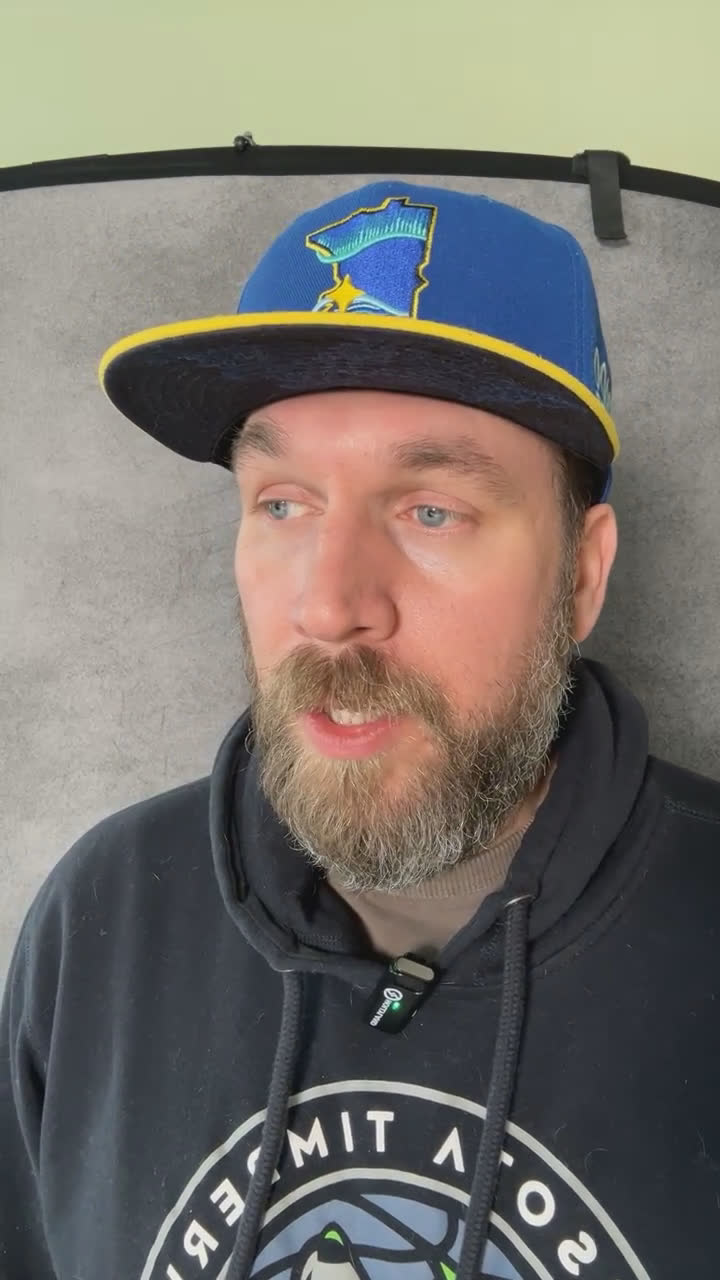
Pastor Seth Perry reflects on the recent loss of his dog Spike, sharing personal grief, how his recovery and faith intersect with mourning, and why it's okay to grieve a pet while navigating church roles.
Seth Perry: Spike was 16 and a half when he died on January 2, 2025. He was gonna do a sermon on dogs, but when he passed away, passed away. Give me your comments and impressions of Spike. It's okay to grieve a pet.
Foreign. Hello, everyone. And it's Sunday afternoon. I wanted to say hello to everyone here who's watching this. Just finished doing my Sunday thing, if you don't know. I'm a pastor. My name is Seth Perry. I'm in recovery from addiction and I live well with bipolar disorder and. Hello, Ashley. Drop something in the comments, let me know you're here. And we're going to talk a little bit about sadness. Ray. Ray. Hello. Yeah, once everyone's. Jules, welcome. I'm glad you're here. I have a story to tell to you all, that is Spike.
And so, just so you all see Spike. Hi, Shannon. Ray. Ray. Hello. What do you guys think of Spike? Give me your comments and impressions of Spike. You know, love to hear what you think. There's that little guy. So this is that time of year, you know. Yeah. Oh, thank you. Thanks, Jules. He is the sweetest boy ever. So here's the story about Spike. Spike was 16 and a half when, when he died on January 2, 2025. And he died in my arms. And I've had him for nine, I had him for nine years. And I was gonna do a sermon on dogs, but when he passed away, passed away.
I just said, I can't do a sermon on dogs. I could barely, you know. Yeah. So with Spike, I just had to completely change course today. And I was thinking about that. And I Talk on my 1:00 Talk Stigma livestream every Sunday about stigma in church spaces and in faith communities. But I was like, I'm a pastor and I can't break down and cry in front of these people, my congregation. And the irony in that, that I can't, I, I feel like I can't do that when, like I usher these people through the biggest grief in, in their life, right, that I, I, I sit, sit with people at their bedside when they are near end of life.
And I don't have any kids. I'm not ever going to have kids. So, you know, I have dogs with my wife and it was a big deal to lose a dog that, you know, is 16 and a half years old, older, older dog, but still, it was tough and, but there's gratitude in that. I got Spike when I was five years clean and I waited three months to adopt him and I got him. And everyone's like, oh, wow, yeah, you're responsible enough to have, have a dog. That's cool. What a gift. And so I had him for, for nine years. And when people were touching base with me the day after, they were saying, yeah, this was a big gift of your recovery that you can have a dog, that you're responsible enough to have a dog.
And. And it was. It was good. So he was fine until he wasn't, right? And what a Christmas season to be around a dog that was obviously dying for. For a long time. And I broke down and crowded an AA meeting on Friday night, and because I was talking about all the. All the messages that I'd gotten from people all over the place that knew me through recovery. And so there he is, this little guy, Spike definitely will be missed. And it's okay to grieve a pet. And. Yeah, I just wanted to just hop on here, my regular.
My regular time, one o'clock on a. On a Sunday, and then, like, just do this, because I cried when he died and, like, I hadn't cried for, like, two years, really. So I'm glad that I was able to get that release on the night he passed away. But he will. He'll be remembered fondly. As, as many people have said to me, you know, he's a symbol of your recovery. So I want to thank you all for coming on the live stream today and checking in, because this is great that we can do this. And let's see what 2025 brings.
Be well. Talk to you soon.
Reactions and comments are for members. Joining is free and takes a minute.