First, I don’t use the term toxic masculinity. And I’ll share why. But I do know what it’s like to be tormented by unhealthy masculinity. And I also know what it’s like to be free. Not all of the time but more than ever.
CNN's John Berman is at a lake, one of the 10,000 lakes in Minnesota. In fact, we're having a riveting game of five crowns right now. But let's talk about this, right?
Each first Saturday is. conscious masculinity. What's the conversation around masculinity in our society right now? There is a dominant masculine script and narrative that's running throughout administration and government. The key is not trying to do this alone, because that actually reinforces unhealthy masculinity.
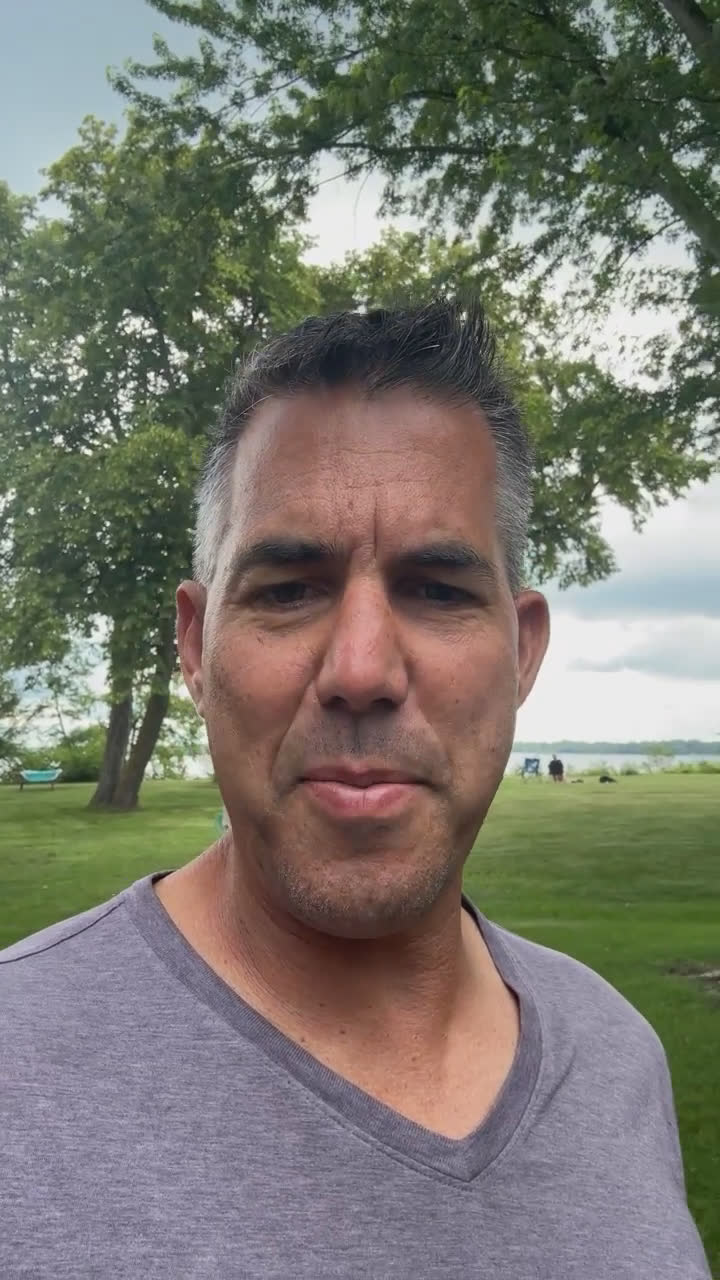
All right. Hello, fellow kadrasphere people. Look at me. You know where I am? I'm in Minnesota. That's right. I'm at a lake, one of the 10,000 lakes in Minnesota. And I'm at it, chilling with the family. In fact, we're having a riveting game of five crowns right now that I need to get back to. But let's talk about this, right? What was Yesterday? Yesterday was July 4th. Hello. Speak, Wonder Shannon. So yesterday was July 4th, and the theme of this month is freedom. And if you follow what I do, each first Saturday is.
Each first Saturday is conscious masculinity. So really, taking a look at what. What's the conversation around masculinity in our society right now? What are we doing? What's happening, right? I'm, like, spinning around because I'm trying to get, like, the best background. And. And so here's the deal, right? If the theme is freedom, what are we looking to be free from? I read an article earlier this morning about some of the unhealthy narratives of masculinity that are showing up in our current administration.
I don't want to get political, right, because that's not really my thing. But I will say this. There is a dominant masculine script and narrative that's kind of running throughout administration and government and all of that stuff. So the big thing is like, what do we do with that, right? What do we do and how do we do it? And we got live action going here. So people are doing their thing, and, you know, here's the thing. So first in the description, right? I said, I don't ever use the term toxic masculinity.
And so I'll talk about why that is, right? Why don't I do that? I used to. I kind of fell right into it as people were using it, and I was like, oh, yeah, that makes sense. It's like these toxic things that people do. But then I came across a colleague who uses the. The term or the phrase the toxic culture of masculinity. Now, see, that resonates a lot more with me than the husband. I want to be the father. All of it, right? So it's all part of it. And that, for me, that's the gift, right? That's the gift.
When we think about this and when we think about unhealthy masculinity or unhealthy behaviors and then just being able to, like, stop and reflect and say, what kind of man do I want to be in this moment? Is that reflective of who I want to be. And as I say, I think a lot. You know, the key is not trying to do this alone, because that actually just reinforces unhealthy masculinity. Trying to figure this out, that's an unhealthy, masculine script. Doing it by myself and having to do it on my own, that's an unhealthy masculine script.
So try something different.
Reactions and comments are for members. Joining is free and takes a minute.