Hop on and learn some quick tips on how to improve language development!
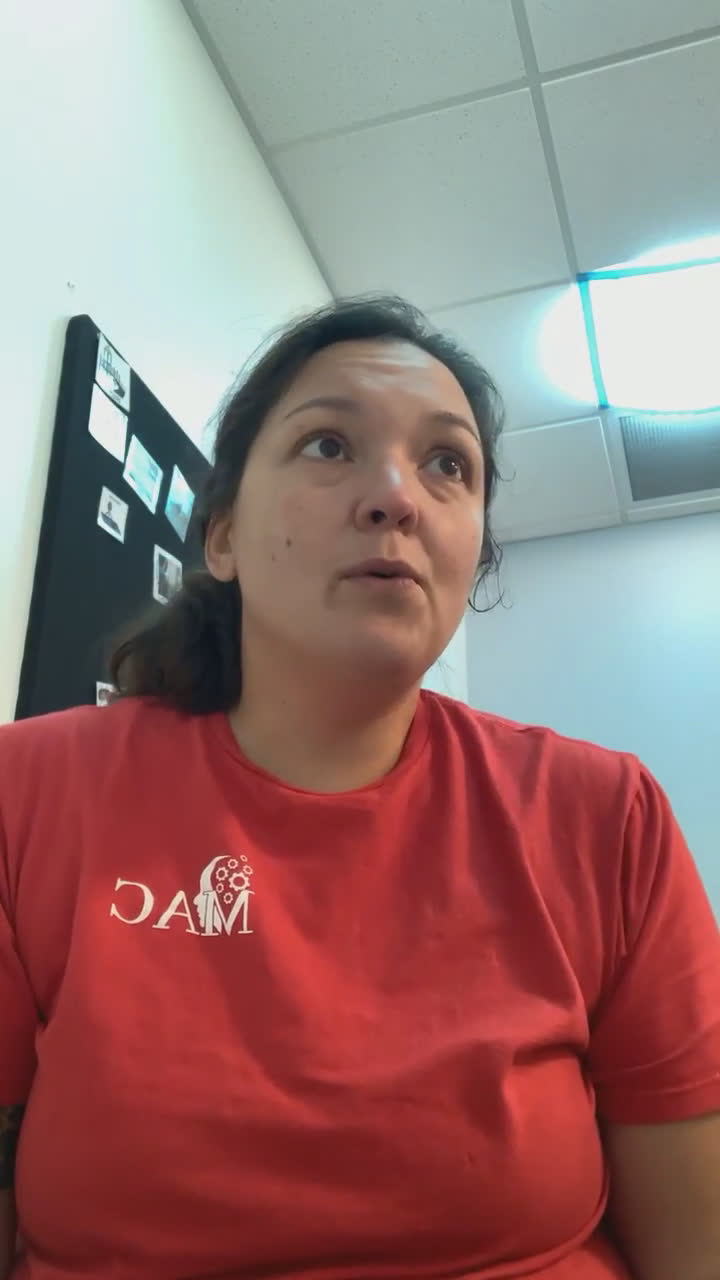
Jovana is a speech language pathologist employed by Mac Midwest. She shares a few tips that you can use to improve language development. The first tip is to narrate or sportscast what you are doing. The second is to make a song so kids with autism can enjoy music. The third tip would be to use sequencing language.
Gestures are so important for helping young learners understand new language, old language, more complex language. Use sequencing vocabulary. Narrate what you are doing or narrate what the child is doing. Use gestures to enhance your language. And expand on the language that they have.
Jovana is a speech language pathologist that works at Mac Midwest, a non profit that provides services for autistic children and their families. She hopes this short and sweet little video on some tips to expand language and young learners was helpful for you all.
Foreign hello and happy Thursday and welcome to another live stream brought to you by Mac Midwest. If you're unfamiliar with Mac Midwest, we provide services for children and their children with autism and their families. And my name is Jovana and I am a speech language pathologist who is employed by Mac Midwest. And I wanted to hop on today and share a few tips that you can use to improve language development. So one of the first tips that I really encourage behavior therapists to use, but also parents and family members, is to narrate what is happening in the environment.
You can narrate what the child is doing, you can narrate what what you yourself are doing, but this provides them with a language model that they can then utilize on their own. So, for instance, maybe little Johnny is brushing his teeth and you can narrate the different steps that he is doing to brush his teeth. Oh, you grab the toothpaste, squeeze toothpaste on the toothbrush, brush, brush, brush, spit out, gargle with water. You get the gist. So again, that first tip is to narrate or sportscast what you are doing.
The second tip is to make a song so kids, especially kids with autism, really enjoy music. And people in general are able to memorize and learn things better when you put it to a tune. So I like to observe children, understand what their interests are. Maybe they really love the Mickey Mouse clubhouse. And then I can use this theme song to incorporate language that is meaningful or functional to them. So one example is there is a learner here who really likes the show Super Y. And so I was building a tower with him and I said, I started singing, I'm building a tower, building it high.
I'm building a tower all the way to the sky. And because it had a similar tune to the Super Y intro theme, he was super receptive to it and was repeating that. So again, creating songs that are similar to their favorite tunes or incorporates the song and then using language that is functional and meaningful to them to tie it all together is a great way to expand that language. The third tip would be to use sequencing language as a way to introduce them to this new language concept, but also give some a way to describe their actions.
So maybe they are washing their hands. You could say, okay, first we turn the water on, then, then we get some soap. Next we scrub, scrub our hands. And lastly we rinse them off so they're nice and clean. Again, this just gives them that language that they can use to describe their actions, sequence different steps, and then ultimately is a good foundational skill for them to later tell narratives, whether that's personal narratives, stories about their day, or. Or retelling stories that they maybe are interested in.
All right, another tip for you is to utilize gestures. Gestures are so important for helping young learners understand new language, old language, more complex language. So anytime you compare something with a gesture, you're gonna get more bang for your buck. So, wow, that was a big bite. I stacked that tower so high. Oh, he was going slow. Oh, you look like you're hungry. Should we go eat? So even if you don't know those manual signs or those American Sign Language signs, you can still use your hands and your body to get the concept across.
And like I said, add more meaning to those new words that you are trying to teach. And then the last tip I have for you today is to expand on the child's language. So maybe the child loves playing with cars and he's just yap, yap, yapping, but all he's saying is, car, car, car, car. So you can expand on that by describing the car. Oh, car, blue car. You could say, car goes up, car goes down. So building on that one word and using it as, again, a foundation to add more vocabulary, add more descriptors so that they can start really lengthening their utterances.
So again, let's review those five tips. One, narrate what you are doing or narrate what the child is doing. Again, provides them with a functional language model that they can then utilize. Put a song or tune into your routine, incorporate language that you can use within that routine, and make it into a little sing song. Bonus points if it matches a song that they already really like. Third tip, use sequencing vocabulary. So first, then next, last. Again, this teaches them how to describe their actions, how to communicate a narrative.
The fourth tip, use gestures to enhance your language. And tip number five, expand on the language that they have. If they say one word, try to build on that one word. If they say two words, try to build another two words onto those two words with the ultimate goal of, you know, just expanding communication. So I hope this short and sweet little video on some tips to expand language and young learners was helpful for you all. Again, my name is Jovana, and I'm this. I'm a speech language pathologist that works at Mac Midwest, a non profit that provides services for autistic children and their families.
But yeah, it was a pleasure speaking to you today. And I'm going to end the livestream. We have five extra seconds. We'll do a little dance because I don't know what else to do. Thank you.