Safety isn’t just about your environment—it’s about whether your body believes you’re safe. Even if nothing dangerous is happening, your nervous system might still be on high alert. Here is why safety and security form the foundation of mental health, and how rebuilding them shifts us from survival mode into growth and connection.
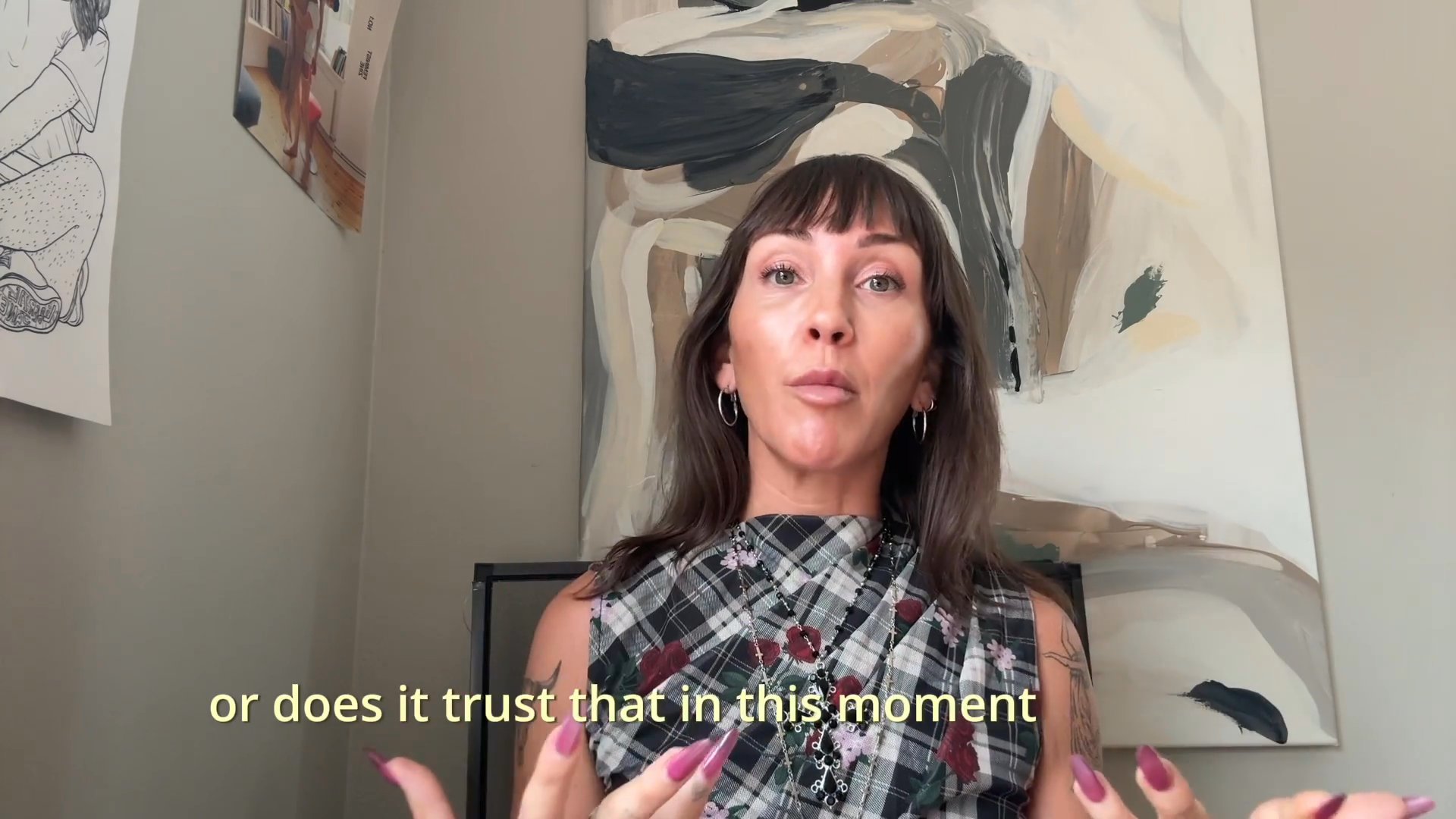
We can be technically safe and still feel completely unsafe. People hear the word safety, they think about being physically safe, like locking your doors or avoiding dangerous situations. But in mental health, safety is bigger than that. Safety is about your nervous system. Safety means, do I feel like I can relax here? Can I let my guard down? Is my body braced for attack? Or does it trust that in this moment, I'm okay? We can be technically safe and still feel completely unsafe. You're sitting on your couch with no threats around but your chest is tight, your mind is racing, and you're waiting for the other shoe to drop.
That's your nervous system saying, I don't feel safe. Even if, physically and technically, you are. Let's zoom out for a minute. Psychologists have long known that safety and security are just nice to have. They're actually core human needs. Without them, it's almost impossible to focus on anything else. It's hard for you to focus on things if you're easily distracted, if you feel like you're constantly hyper aware of everything going on around you, or if you get physically tense or anxious in situations where maybe there's no threat, safety might be something to work on in your body and in your mind.
Think about Maslow's hierarchy of needs. At the base are things like food, shelter, and safety. If those aren't secure, our brains and bodies cannot relax enough to pursue growth, creativity, or connection. Safety is an optional, it is foundational. And here's the thing, safety isn't just physical, it's emotional too. Do I feel safe to express myself? Do I trust that I won't be abandoned? Do I know I can survive if things go wrong? A lot of things can impact our ability to feel safe as adults, like not having safety in childhood, having a lot of chaos growing up, not experiencing a sense of stability or having consistency in our lives, sometimes experiencing a single traumatic event, can it communicate to our bodies that we're not safe, and then psychologically we adapt to thinking that we're not safe on a general basis.
The work of creating mental and emotional safety is learning how to give ourselves a sense of security through routines, relationships, and inner resources. And when we restore safety as a psychological need, we stop living in constant survival mode and start having the capacity to actually live. This can look like breathing techniques to train our nervous system, learning to trust others and ask for our needs, or defining the difference between safety and familiarity. Because hot tip, those are not the same.
This month I'll be posting videos on how to create psychological safety, so make sure you join my community and stay tuned.
Reactions and comments are for members. Joining is free and takes a minute.