Whether it’s their own safety or the safety of others or the conditions under which men even learn how to be men safety is constantly in the background of men’s experiences. And I’ll show you exactly how much during this live stream.
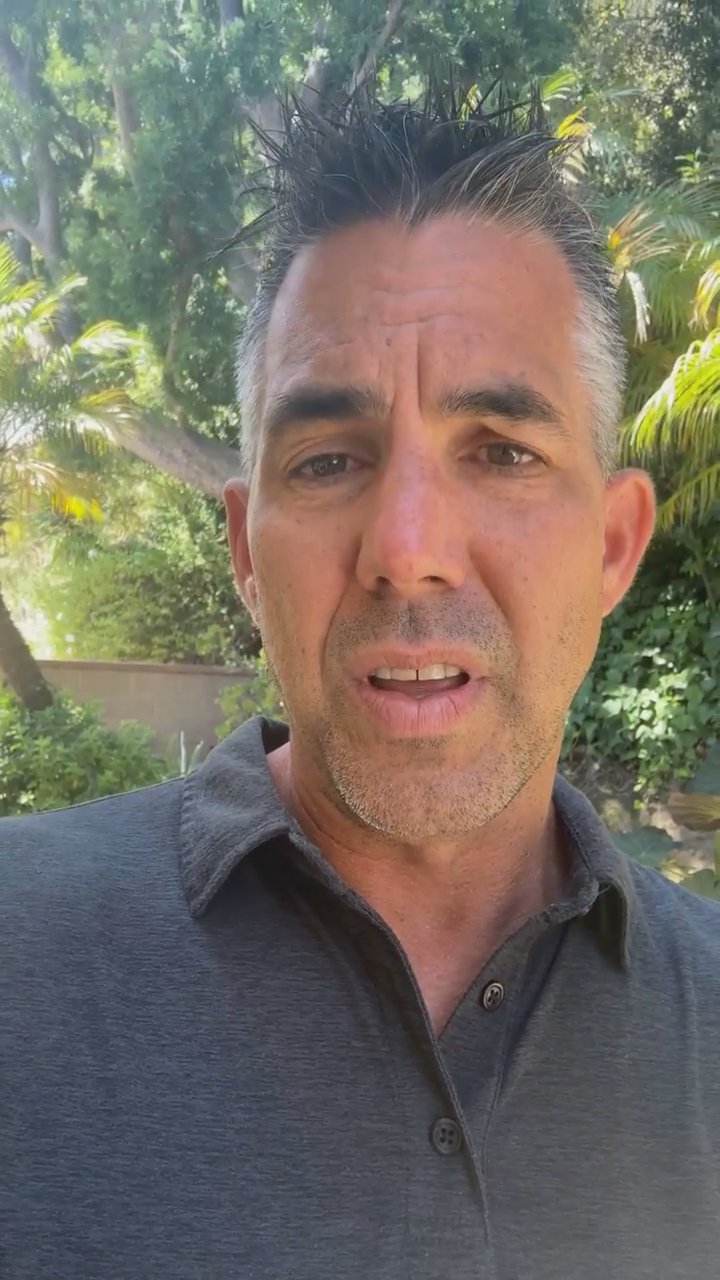
Okay. Hello, Coderosphere. It's 130 here on the west coast, and this is not only is it the beginning of September and its suicide awareness month, but it's also National Recovery Month, which has been an important part of my life for almost my whole recovery when I first learned about it, and had the honor of being involved in in various ways. But the theme that cadre has chosen for this month is safety, and honestly I can't think of a better theme when talking about men, and there's kind of two core areas, right?
The first area is kind of obvious, right? And it's the one that most people are going to go to first, and that is men being safe for others. Sure, it's very important. It's very, very important, probably the most important. And there's another one too, and that is men's own sense of safety. And what does that mean? And here's the interesting thing, safety, even though we don't talk about it a lot with men, safety is constantly in the experience of men. Men who have had experiences of abuse walk around not feeling safe, and then they don't feel safe, and they've got this heightened kind of trauma response, and so they're on alert, and guess what happens when they're on alert?
Well, they tend to react, overreact, abreact, and can create conflict, and then they get programmed to create conflict. And so this kind of internal mechanism that so many men have that says, "I'm not safe, I don't feel safe," and that they don't pay attention to, that is, I would say equally important to men really thinking about how safe others are around them. And the reason why I would say it's equally important is because until men really learn to understand how safe they feel in this world, they're not going to pay attention to the safety of others, frankly, I mean, or really be able to fully impact the safety of others.
There's even another component of safety when it comes to men that is really, I mean, ontologically, it's probably one of the most important, and that is when I talk about the man rules, and I do my little trainings all over the country, and, you know, and I take audiences through this idea of the man rules, and I say, well, okay, well, what are the man rules, right? And then they name them, blah, blah, blah, blah, blah. Don't, you know, don't cry, don't be vulnerable, don't ask for help, always fix everything, be competitive, you know , sex is a form of only form of intimacy and connection, all of that, right?
Those are the man rules that operate in our subconscious constantly. We're in the background trying to navigate those. But then I will say, and let me ask you this, how, what, like, what do the man rules mean to men? What, what do the man rules provide men? And then people will think about it, and they'll be like, oh, acceptance, and I'm like, yes, but there's something more important than acceptance, and they're like, belonging, yes, okay, identity, okay, yes, under that, under that, under that, and under all of that is safety.
That whether the man rules work or not, many of us, men, we follow those rules and we go back to those rules over and over and over again, because at some point, at some level, we've learned that they give us safety, they make us feel safe. And then I'll say, like, I mean, think about it, think about the little boy who's sensitive and emotional cries all the time, and then he gets hit for crying and made fun of for crying. What happens if he stops crying? The abuse usually stops. He gets stopped being made fun of.
What happens when a young man is asking for help all the time and saying he doesn't know how to do something. And again, being criticized, being made fun of, being any number of responses that he gets, whether it's from teachers, whether it's from peers, or whether it's at home, when he stops asking for help , he's just a little bit safer from the criticism, the ridicule, the ostracism, even the abuse. And so that's something I like people to really get, is that at the heart of the man rules for so many men, is this experience of safety?
Is this experience of like, Oh, if I want to feel safe, I got to do these man rules. And so when you're working with men, like if you're a professional and you work with men, that's what's happening all of the time, like they relax and they step outside of these rules, but then high stress trauma response, they go right back. They can go right back into it. So, so that's one way that safety plays a fundamental psychological, ontological kind of role, right, in men's lives. Second was the idea of men's own safety, and men really beginning to feel safe enough to talk about their safety, to like have the words, to have the vocabulary, to have the opportunity to pause and be like, Oh, do I feel safe?
Like I used to sit in so many meetings and I'd hear people talking about, you know, the difference between men and women and this and how we need to help women with this and help women with that. And I'd always hear like this one comment about women not feeling safe at night. And I'm like, absolutely not going to argue with that. But then I would also say, and have you ever thought about how many men don't feel safe at night as well? And it had almost never occurred to people that men might also not feel safe.
I mean, if you come from a background of abuse and your nervous system is already kind of at heightened alert, you don't feel safe walking in the dark, especially if a lot of your abuse took place in the dark, I speak from personal experience. So I wasn't even just speaking up on behalf of men. I was speaking up for myself as well. So men really beginning to understand their own sense of safety and what safety means to them. That's that's critical. I'm being able to give voice to that, pay attention to that, take care of that, prioritize that is huge.
And equally important, and we cannot emphasize this enough, right? Is men being safe for others? Men understanding that the man rules so often are driven by disconnection that when, you know, you are told as a human being that power is your identity, that anger is your only feeling, and that control is the way to get what you want. Jesus Christ, that's a setup for not being safe. That's a setup for not being safe to family and friends and others and situations and conflict and all that sort of stuff.
And that's 100% connected to gender conditioning. It's not saying men aren't responsible, but it's beginning to really understand, really truly understand that men so often are not safe because of the privilege we have, because of the entitlement we internalize, because of the one-up shame that we take on, one-up shame being the idea that, "Oh, when I have a shame response, I go one-up and I become, you know, trying to power and control over you." All of that, that's part of how men need to pay attention to how we are safe or unsafe in our relationships in our communities and how we interact.
In the slightest ways, whether it's with our children, with our spouses, their colleagues, or even in the language that we use on a TikTok or a cadre livestream, it all matters. And I'm learning, and I'm still learning, and I'm 53, and I've been doing this a long time, and I get that I don't have all of the answers or see everything clearly at this point, but I see things a lot more clearly than I used to, and it's always gonna, pretty much always gonna be a both-and. And so this theme of safety is a very, very powerful theme.
It can be very emotional, and triggering, and vulnerable, but that's what makes it so important for us to talk about. So those are just some of my ideas about men and safety, and have a great weekend.
Reactions and comments are for members. Joining is free and takes a minute.