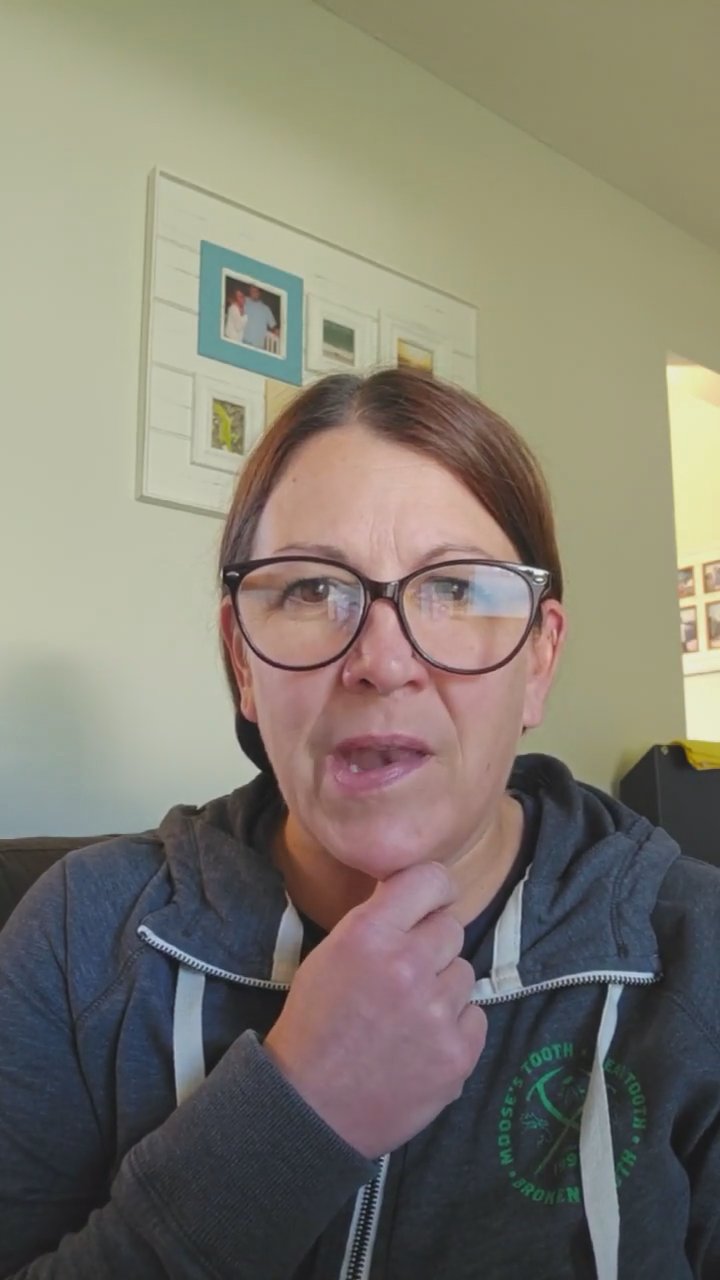
We'll dive into what it means to create an environment where you can ask questions, voice concerns, and even admit mistakes without fear.
Hello, Cadre Spear. Hello, hello, hello, welcome. Come in and say hello. I'm excited to be here today. It's hard to believe that another Wednesday has gone by. I don't know about you all, but it feels like these come and these come and these go. And here we are again. I hope you are having a good week. I am going through some stuff with my mom. She's having surgery tomorrow. So my week has been the ups and the downs of that. But welcome. I'm very excited to be here. I'm excited you're here. I'd love for you to come in and say hello.
I have missed you all over the past week. Hello. Good morning. Wuhanelli. Good to see you. Thank you so much for coming and joining us today. It is one week until October. Can you all believe it? I woke up this morning and I was thinking about the date. And I thought, oh my gosh, we only have one more week of September before we turn the clock over to October, which follows my favorite time of year. I'm not going to lie. I love fall. Hi, Andy Mack. I love fall. I love walking outside in that crisp, cool air, being able to wear a nice comfy sweatshirt, right?
And being able to enjoy the fall colors of the leaves turning. They are gorgeous here in Minnesota. And just kind of the thoughts of another summer gone by and thinking about all the things that we get to do during the winter time. And then spring comes, right? And we have rebirth. And it's a glorious time also of the year. But I am here today. And I was thinking about this quite a bit, actually, as I've started into my new role and thinking about the environments that create safe spaces and thinking about the ways that it what it is about those environments, right?
Is it? Is it because the physical space is warm and inviting? Is it the people that make that? Is it the, you know, the feel of it when you walk in or the smells that you feel when you are that you smell when you walk in? But environments that make it safe for you to be yourself, to ask questions, to admit your mistakes, to voice any concerns that you have, right? Those are the spaces that I feel like create those safe environments. And in thinking about that, I wanted to ask you all, where have you had those or have you, right?
I think some some people have been blessed enough to have safe spaces, whether it's workspaces or friendship circles, where you can be your true self. And you can bring that, that piece of I have a concern, or I have a question that might seem dumb to other people. And I think those are the environments that I think about. And I've worked in some really great spaces that have allowed that. I think we've built that as teams. And that's been an entirely great thing as well, being able to kind of be part of a team that brings that up.
And as you bring in new team members, right, you create those spaces and allow others to, again, admit some mistakes or voice any concerns or ask a question, right, that they're not sure that they should ask. I was thinking about kind of some of those spaces. And I thought, you know, when I worked at my old place, it was a school that trained in adult education. And one of the things, and it was actually software engineering, so it was code. And one of the things that our teachers always did was they made mistakes, right?
Because that's what you do when you're writing code. You make mistakes and making those mistakes allowed the students to be able to see that it's okay to do that. It's okay to make mistakes that that's a thing you're going to do, whether it's in front of one person or know people, you're going to make mistakes. And it's okay to do that. And I think that's how we learn and grow, right? But by making those mistakes, by maybe failing at something or not doing really well at something, we learn and we grow and we move on.
And maybe that mistake doesn't happen again, right? We've learned from that. That's something that we have been able to grow from, learn from. And now again , when it pops up, we know that we need to put a capital letter here instead of a lower case or whatever that might be. And that might be a big, right? A big mistake or a big failure. And that might be a small one. It doesn't matter what that mistake is. We often learn from that. I'm sure many of you have heard of the growth mindset versus fixed mindset.
I'm really thinking about learning from our mistakes and going forward with that. And that is that growth mindset, right? The ability to take to take something and say, hey, I learned something from that. My brain isn't always going to have the same set of skills, right? And so I'm going to be able to take that and learn from that. And bosses who admit mistakes in front of you. I think that's another thing that I think about is going into a room and having a boss say, hey, I completely messed something up.
And I need everyone's support in helping fix that problem. And I 100% love bosses that are willing to do that, willing to admit those mistakes. Because it brings to the room the fact that me as a direct report as an employee of that is also okay to do that. And whether that's in a room or whether that's just directly with my boss, I think that's a really important relationship to have, right? And being able to say, hey, I know you made the same mistake last week or a similar mistake last week. Guess what?
It's my turn. I did it this week. And I think, you know, places and people that value opinions and ask for your thoughts or your ideas. One thing is a leadership team. And my previous job that we always did was when we had an initiative or something that we want to kind of everyone to work on or everyone's opinions on, we always took some time in our meetings and we would sit and we would talk about whatever that thing was, right? And before moving forward with anything, we always made sure everyone had a chance to voice whatever their thoughts were in that.
And whether that was just a, hey, I'm on board, that sounds great, or a I've got some questions on that before we move that forward. And it could be verbal. It could be, you know, nonverbal. I think that was the that was a big piece. I am definitely one of those people that doesn't always want to go in and say things. But if I agree with it, I'm cool with just doing this. And I think many of you have heard that before where you could be the the quietest voice in the room, but have the best ideas.
And sometimes maybe it's not in that moment, maybe opening up various forms of communication, right? It doesn't have to be right here right now. Shoot me a message and let me know your thoughts on that or process that. Come back to me. Let's have a conversation, creating those spaces to be able to do that and allowing people in in whatever ways they work or whatever ways they play, being able to do that in their own way. And it's acceptable, right? People people will accept you for that. I was talking or looking up some psychological safety stuff the other day, just in thinking about how we create those safe spaces and Google did a project called Project Aristotle.
And it was around psychological safety. It was around creating safe spaces and how that made people more productive and how that even the most talented people at Google, if they had a safe space that they felt safe in, they were top performers, they did better. Like I said, even the smartest ones, right? But there were four kind of key factors that they had found in their research and they made complete sense to me and they made me think about some of the ways that I have engaged in work situations like that, but they were dependability.
People can they depend on me, but can I also depend on them, right? That dependability creates that safe space of being able to do that. Structure and clarity, everybody needs structure and clarity. If you're not clear in your role or the definition of what you need to do, it's very hard to move forward on that. It was meaning, meaning was really important. So did it mean something to yourself or the team? And then the last one was impact. And this was a big one for me. I think we all want to feel like we're contributing in a positive way to the world, right?
We all want to make sure that we have some sort of positive contribution that we can look back on and say, I did that, or I was part of that, or I believed in that or I supported that or whatever that might be. And I think that is one of the things that in your work, those four key factors, if you have them in your work or in your play, those are the things that are going to keep moving you forward, allowing you to be yourself, allowing you to find yourself and be yourself. And I believe wholeheartedly that safe spaces are one of the best places to be.
So I am excited to be here with you today. I always love coming into to see you. I always love coming into these. I have lots of thoughts. I ramble a lot. So I apologize if I'm rambling, but I do love sharing some of my experience and some of my thoughts. So I really appreciate you all. Thank you for allowing me to be here. Take care, be well, and go say something nice to somebody today. I guarantee they need to hear it. Have a great afternoon, everyone. Bye, everybody. See you next time.
Reactions and comments are for members. Joining is free and takes a minute.