A trauma-informed reflection on using mindfulness and body-focused curiosity to notice visceral sensations and to ask what do you notice and what happens next. It highlights safe connection, trauma’s whole-body impact, and restoring capacity to engage.
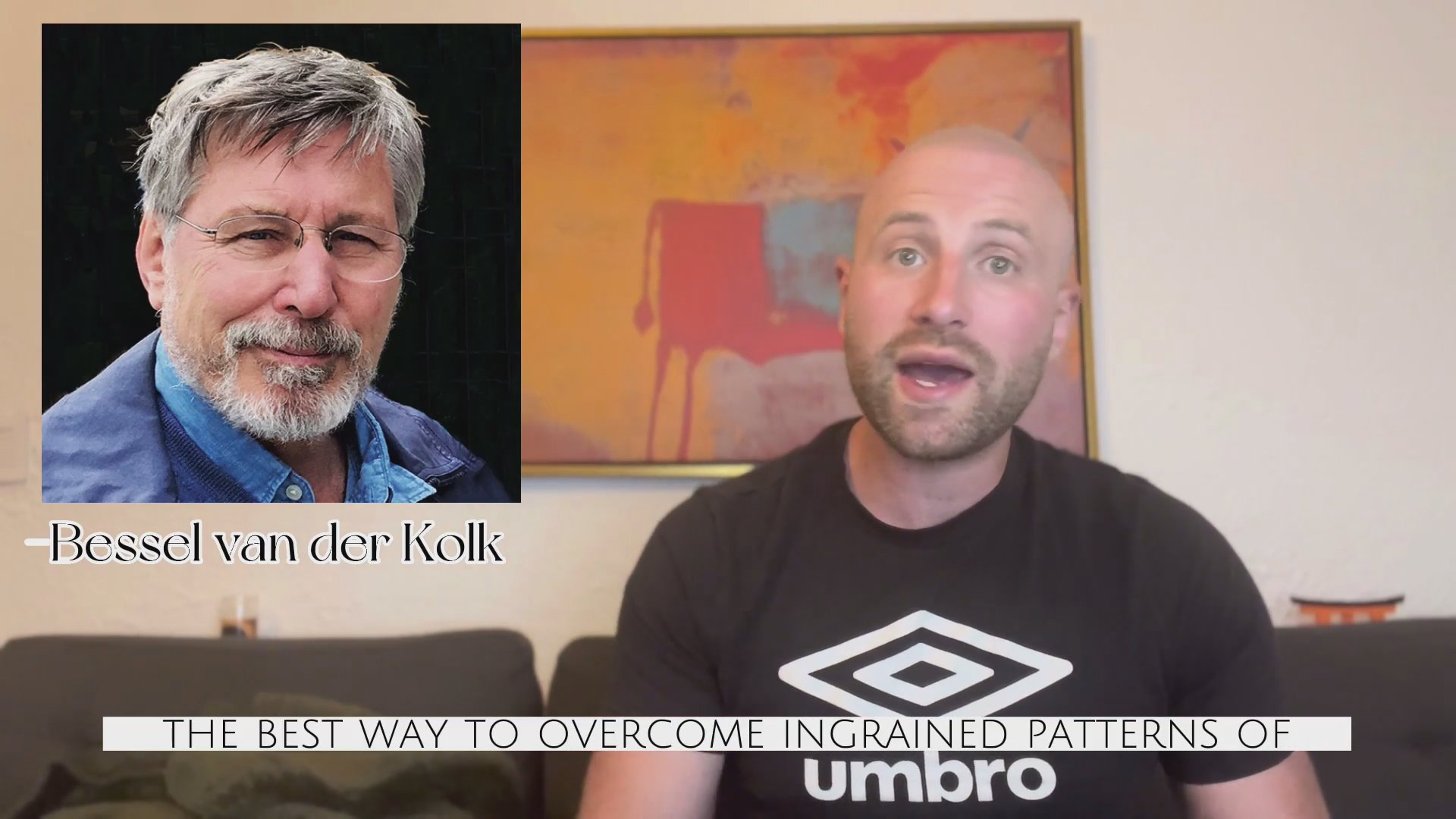
When you start to approach your body with curiosity rather than fear, everything changes. Mindfulness has been shown to have a positive effect on psychiatric, psychosomatic, and stress related symptoms. The best way to overcome ingrained patterns of submission is to restore an innate capacity to to engage in life.
Safe connections are key to meaningful and fulfilling lives. You can only be fully in charge of your life if you recognize the reality of your body in all of its visceral dimensions. The two most important phrases in therapy, just like yoga, are what do you notice and what happens next? When you start to approach your body with curiosity rather than fear, everything changes. Mindfulness has been shown to have a positive effect on psychiatric, psychosomatic, and stress related symptoms. These include depression and chronic pain.
Trauma affects the entire human organism, mind, body and brain. In PTSD, the mind is defending itself against threats from the past. The best way to overcome ingrained patterns of submission is to restore an innate capacity to to engage in life. Trauma constantly confronts us with our own fragility and man's inhumanity to man, but also our capacity for resilience. And remember, if you've never seen the dark side of life, you can't see the glory.
Reactions and comments are for members. Joining is free and takes a minute.