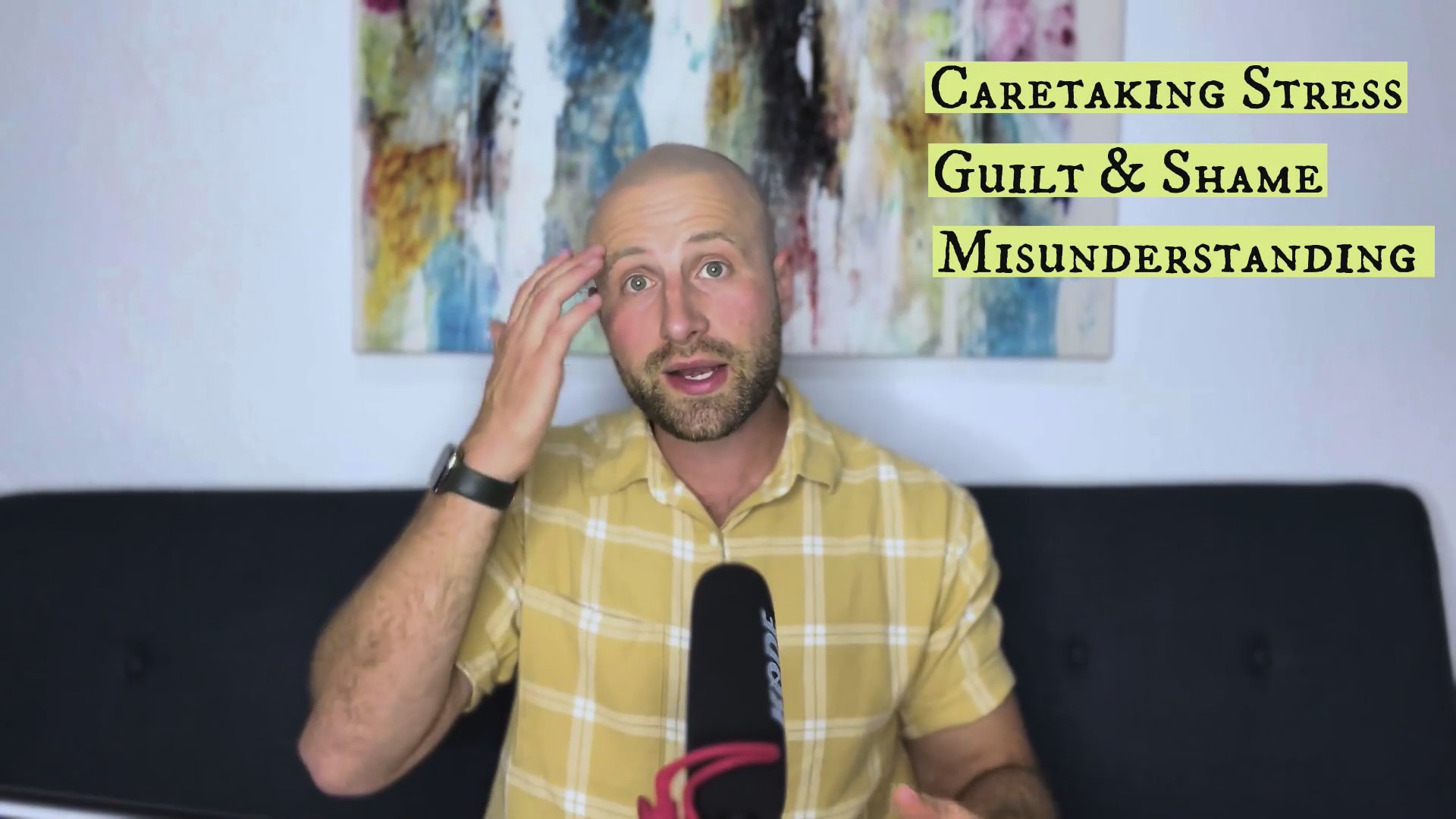
Host explores how chronic pain strains relationships, addressing caregiving roles, guilt, and feelings of being misunderstood. Viewers get practical framing and questions to assess relationship support, authenticity, and mutual interests.
Welcome back to 15% better my series on managing chronic pain and chronic illness and today I want to talk about one of the most important topics I could think of when I was suffering with chronic pain most one of the most difficult parts of that was how it impacted my relationships. Now some of that was based off of misunderstanding and some of that was just based on some of my own stuff some of my own insecurities that pushed me away from others in my life. So let's go ahead and talk about managing our relationships when we have a chronic condition.
One of the main reasons I want to talk about this topic is just how important relationships are for anybody nonetheless someone with a chronic condition. Research consistently shows that the quality of your relationships is a huge predictor on how happy you are. No matter who I'm working with as a therapist this is always a focus that I like to put attention on to asking clients well what are the relationships most important in your life do you feel like you have people you could be authentic with vulnerable with do you feel like you have people in your life that support you do you have people who have mutual interest that you have fun with these are all things that are extremely important when it comes to the quality of relationships in our life and how happy we are in general.
As I began to talk about in the beginning of the series in the problem video chronic pain and chronic illness have some very specific ways that they put strain on relationships and one of the main ones I find is that often if someone has a pretty severe condition partners often find themselves in a role where they are care taking and one of the issues with this is even though you may have said in your vows and sickness and in health you really hope that that doesn't happen but sometimes life just hands these things to you and they are inherently stressful no matter how loving and supporting the partner is.
Now on the other end of that as the suffer of chronic pain or chronic illness you feel an immense sense of guilt not only that it's just sad because you never wanted to be in that place you never wanted to be someone who had to be care taken for right nobody wants to be dependent on somebody else for their day to day needs. So it creates this dual dynamic where maybe both partners are supportive and they are getting through but inherently that is very difficult and puts a lot of strain on that relationship.
One of the other big stressors when it comes to relationships and chronic conditions is the feeling of misunderstanding from others in our life and a lot of times that is very genuine they do not understand what we're going through it's really hard how can you possibly imagine having pain every single day we all have stuff we all have different stressors traumas but there's something kind of insidious about having chronic pain that others don't understand. So that may lead to people feeling like we're faking it or we're embellishing it oh we're just doing it to get out of certain things we don't want to do.
Now when you have a chronic condition it's kind of strange because you almost wish you could do these things that you hated to do before right you never thought that you could appreciate doing a chore but it's the fact that you've lost your independence right you don't want these things but others may not see that right. For example if you have to take pain medications right a lot of people think that you're just embellishing your symptoms so that you can get the pain medications because it 's easy to see why people would think that because people who do abuse things like Vic odin or other opiates are often faking and embellishing conditions and it looks very similar and it's really hard to tease apart addiction versus something you actually need right and it could get to the point where if you have to take those medications and you're dependent on it or maybe you don't even know anymore right so it's easy to see why there 's so much misunderstanding and why there's so much animosity that could build in relationships when someone doesn't believe that you're experiencing what you are.
So again I've been a bit of a downer and I just dug really deep into the problem but what are some solutions so here I'm going to give you my five tips on ways that you could better manage relationships and how to improve the quality of them to be overall happier. Number one is pretty simple and that is to identify the people who are most supportive of you and lean on them. See what I talked about in the beginning is that often when we feel so much shame and guilt around our chronic pain we push other people away we keep them at a distance we often think we're doing them a favor we're doing the world a favor by just taking on this burden ourselves we don't allow other people to help us and be a support.
Think about all the times that you've helped and been a support to friends that you love and care for. How did that make you feel? Did you feel like you were a burden on them? No you probably felt good about yourself. You felt good because you love that person and you wanted to help them so I tell people don't rob other people of the opportunity to be helpful because that is something that could give them immense joy as well. So identify those people that are most supportive be vulnerable be authentic with them and enhance those relationships so you have more people that are supportive and the quality of those relationships are much better than they would be otherwise.
Suggestion two is finding other people who have been through the same thing you have and being a support for one another. It's similar to let's say something like Alcoholics Anonymous where back in its founding it was all about people who have been through alcoholism to help others who do because that way you're able to win the confidence of somebody that a medical provider let's say would not be able to do because they have an experience that as well. Now as we mentioned earlier way more people than we think have experienced chronic pain in a chronic condition.
Sometimes you just have to open your eyes to those around you or ask other people or share your story and they'll be able to share back that perhaps they're going through the same thing. Now that may be a good person to connect with have a deeper relationship with and share some of your struggles and lean on one another. Also finding a support group with other people experiencing the same thing you are could be highly beneficial perhaps it's hosted by a local mental health clinic or you could find some online.
Now again I mentioned in the navigating the medical system video that sometimes these groups you could find on Facebook could be very negative right and so you got to be really careful with these and that when you're finding support to try to find one that is more positive and solution focused. Now my third suggestion is all about addressing that issue of the care taking dynamic right again that could bring a lot of shame a lot of guilt a lot of misunderstanding and a lot of words unspoken. So I recommend that if others are in that role in your life if they are providing accommodations or help in any way to just do your best to express gratitude towards them again it may put stress on them but in a way they are doing a duty to you as a friend they 're doing the same thing that likely you would do for them but it's still important to express gratitude when you can it could really help them and it could really help you feel better about the dynamic that's come to play.
Number four is all about taking the lead in advocating for yourself and your relationships as I mentioned in my story people were always checking in on me oh how's your back doing or we be walking around oh are you okay do you need to take a break or hey when 's your surgery and even though I knew they were being supportive it really impacted me it really made me feel bad about myself I was really not trying to remember my pain all the time or talk about it or get suggestions from people who didn't know what I was going through.
So sometimes you have to ask for what you need especially with those people who are supportive they just don't know right they don't always know how to show up and they don't realize the impact of what they're saying is having on you so just tell them what you need for example I told my friends look I really appreciate you guys checking in on me I know how supportive you are and I really appreciate that but I'm just going to ask that you don't check in on me sometimes I just don't want to think about it sometimes I don't want to really dwell on the pain I'm feeling right now and I don't want to feel different than anyone else and usually I find when you do that in that manner they're going to respect you and moving forward they're going to stop doing those things right if they're truly supportive they're going to follow your lead and you're not going to have to deal with that anymore but often it's really hard to do that because you feel shame or you feel guilt or again you don't want to burden them or you don't want them to feel bad that you're giving them a correction but I really urge you to push your comfort zone have those conversations I could almost guarantee that if they're supportive it's going to go better than you thought it did and you're going to be glad you did it number five is all about using effective communication to advocate for your needs like I was talking about in the last video how I had that conversation with my friends how I was able to be complimentary while giving them that correction was using an effective communication skill to essentially ensure that the conversation would go well that it wouldn't prompt a lot of resistance or defensiveness it's all about lowering people's walls so there's some great tools for doing this and effective communication so I'm going to do a part two in this managing relationship series of this series so go check out part two and I'm going to highlight all the different communication skills you can use to enhance and make those relationships better .
Reactions and comments are for members. Joining is free and takes a minute.