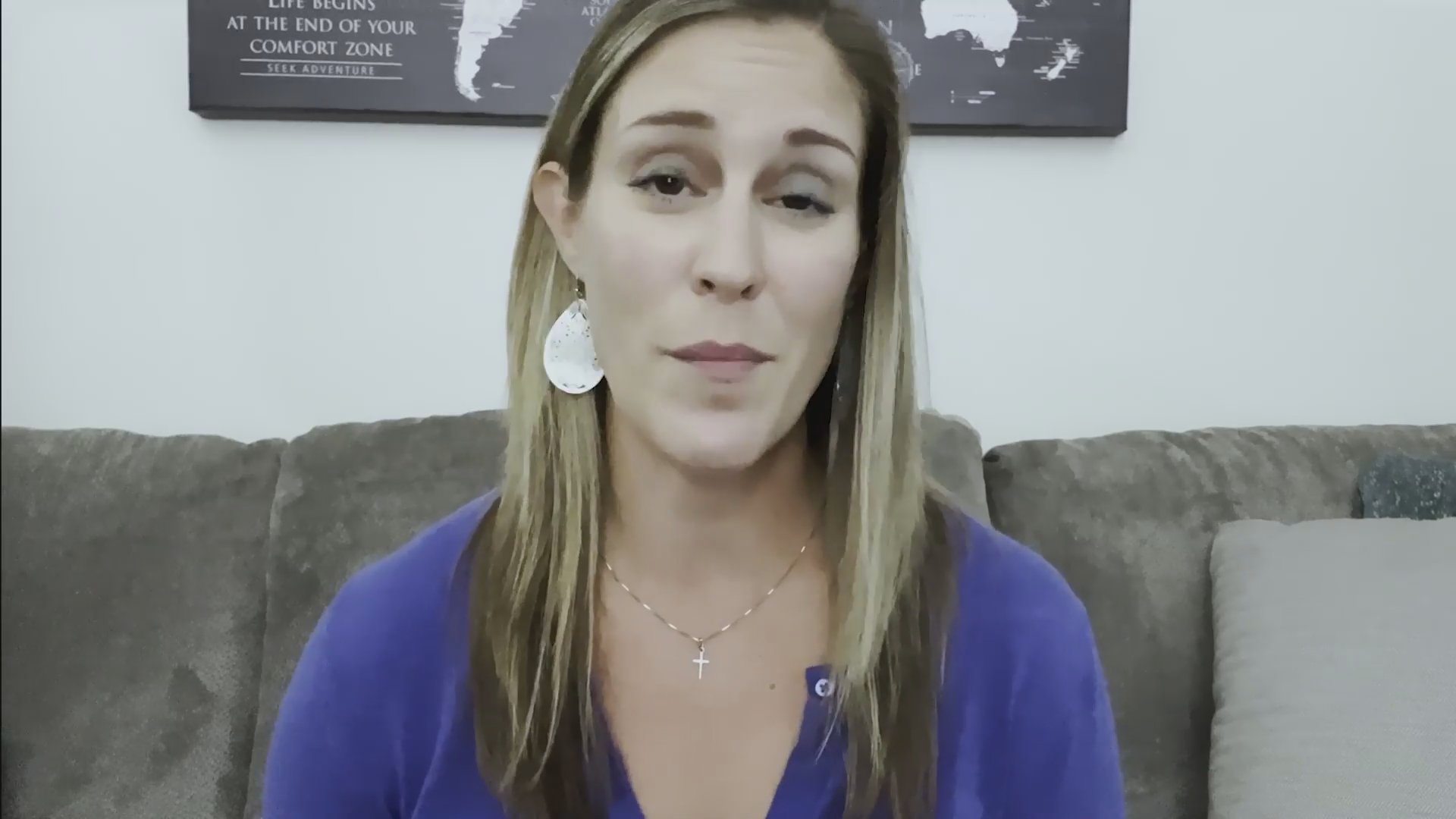
In this episode of Stories from the ER, Dr. Carrie shares a humbling experience with a patient and how she decided that bending the rules was the best way to provide compassionate care.
Hey, cadre family, Dr. Carrie here, your resident trauma and relationship life coach and coaching director on cadre. And today is stories from the ER part four. This story comes to you from a another urban level one trauma center ER where I used to work as a nurse and most of my stories come from the mental health section within the ER and this one does as well. But this one was a huge life lesson for me as many of my ER experiences were as a nurse. But even I took this one into my leadership role and I would use this to talk to other nurses and really help them understand that who we are treating are people.
They are human beings and sometimes that means bending the rules. Now if you know me, you know that I am pretty type A, most people assume I'm a rule follower. I mean in my role as an advanced practice nurse in the hospital, I actually wrote policies and procedures like I was the one who created the rules. But I am a rule follower only if it makes sense. So most people surprised by that but once you really get to know me, you don't understand that because there are times when rules are meant to be broken and there are times when rules are meant to be bent.
And this is an example of when you can bend a rule and I've actually told other nurses this like I understand that this is the rule but there are times when you can break a rule and let me explain to you why. Because we are taking care of people, we are not taking care of robots and systems and processes are great to have in place but there are times when they need to be bent and there are times when you need to make exceptions to things and this is one of those examples. So I was working in the, like I said, the mental health section of the ER.
They brought a patient in, the paramedics brought a patient in, really was off his meds, needed a psychiatric evaluation but the most part the patient was fairly cooperative and it was pretty easy to get the intake questions done except for one thing. He was very upset that we kept calling him a he. He was under the process of a gender transformation and he'd had multiple surgeries already and I know I am going to mess up the terminology and language when I talk about this topic so please give me grace on this but just know that I really have a heart for people that feel like they are in the wrong body, that really struggle with their identity as far as their gender and this gentleman was one of those people.
And so to me he looked like a man, he was born with male genitalia and yet he was undergoing the process to become a female. And so when I referred to him as a him, it offended him so greatly, so, so greatly and I felt horrible and it was just really kind of like the start of things when each person that interacted with him referred to him as a him. And again, I'm doing it as I'm telling you this story because as I picture him, he looks to me like what a male looks like but he really wanted to be referred to as a female.
So I did my best to remember that anytime I had to interact with the patient and called her by the name that she wanted to be called and yet there was just one thing that was so disturbing to her and that was that the name on her wristband was not accurate because that is not her name, that is the not the name that she identifies with and it signified that it was not the gender that she identified with. And so I called our registration department because the patient now was getting so worked up and she was refusing to take her medications, she refused anything really to go to treatments, to go to therapies and it was just so detrimental to her mental health, to just the wellness of everybody on our team and because she was really getting amped up because of the name on her wristband.
She refused to wear it which when you work in this area of the ER, patients can walk around and unfortunately like we really need to have wristbands on them to know who they are and for their safety and everybody's safety. So I called registration and I said can you please change her name in the computer? And they told me no because the name on her ID is the name that she used to identify with the male name on there so we can't change that or her gender, it needs to actually reflect on her identification.
And she said I have been waiting with COVID happening like they haven't had the DMV hasn't been open, I have all the paperwork to get my ID changed, I just haven't been able to do it like that's like the last piece of my identification that hasn't changed over so my new name. So I don't understand what you guys can't do it and I calmly explain I'm sorry these are the rules we have to do it this way. Well with each interaction and then having to scan her wristband for medications she got more and more worked up.
To the point where like within an hour she was so angry that we kept screwing up and calling her a him and new people would come in the room and address by the name that was on the wristband and on the patient's chart and it just became so problematic that I thought there has got to be a better way to interact with this patient because this means so much to her. And so I called registration and I said I'm going to ask you to do something that you're probably not going to want to do and if you want me to talk to your boss that's fine but I need you to change her name in the computer and I need to print a new wrist band and then you can change it back.
And I need the wristband that she's wearing to reflect the name that she wants it to say and I need her chart to say that for about 10 minutes so I can print a new wristband and then you can change it back. And they argued with me and they said nope you need to talk to our supervisor so I called the supervisor and I said can you please bend this rule this one time. I said this patient is going to need emergency medication she's probably going to get restrained to the bed we're going to have to call security like that's where the level we 're at right now with her agitation and we can calm all of this down just by printing a new wristband so can we please do that.
And they're like sure let's do it let's make let's bend the rule this one time. And the patient sweetest pie the rest of the time I interacted with her the next shift completely different interactions with her from that point forward and it made me realize how important that was to her and I didn't think it was a big deal because it's just the name that you have in your medical record and like I'm still going to try to call you by the name that you want to be called but to her putting that name on the wristband meant everything it meant that we acknowledged her as the person that she said she was we acknowledged her as the gender that she agreed with and identified with and it made a world of difference in her overall care.
And so the lesson I learned that day and the thing that I have told other nurses when I even worked in a leadership like administrative role was sometimes you need to break the rules sometimes you need to remember that we're caring for human beings and we are here to give them the overall wellness care not just treat their medical issue not just treat the issue that they came in with and fix something but look at them as a human being and talk to them like a human being and if that sometimes means bending a rule that's not going to hurt anybody that might need to happen and I don't wish you if you work in healthcare to now go break a bunch of rules and break a bunch of policies or procedures because that would go against everything as to who I am and what I used to do as a clinical nurse specialist but in this story from the ER I just wanted to highlight that example and the a ha moment that I had when sometimes it's necessary to break a rule.
I also worked at a hospital that allowed you to be late to your shift if you walked somebody to their destination it was very important that people felt really just seen and acknowledged and if somebody was lost in this really big hospital they said walk them to their destination and show up late to your shift that's an okay excuse to be late that was a hospital that was an organization that identified with the culture that they wanted to create they wanted a culture of people seeing being seen being acknowledged and really getting the best customer service and so in this example that I shared I gave exceptional customer service to this person so no matter what interest do you work in I want to empower you that sometimes it means breaking a rule sometimes it means showing up late to your shift if it means that you're giving the best customer service and you're really treating people as human beings and giving the best love and kindness that you can.
So I hope this was an encouraging message for you and I apologize if I misspoke or didn't have the correct terminology about something I really did not want to offend anybody but I just wanted to share my aha moment and how I've carried that into every role that I've had in every organization that I've had so hope this encouragement empowered you take care guys.
Reactions and comments are for members. Joining is free and takes a minute.