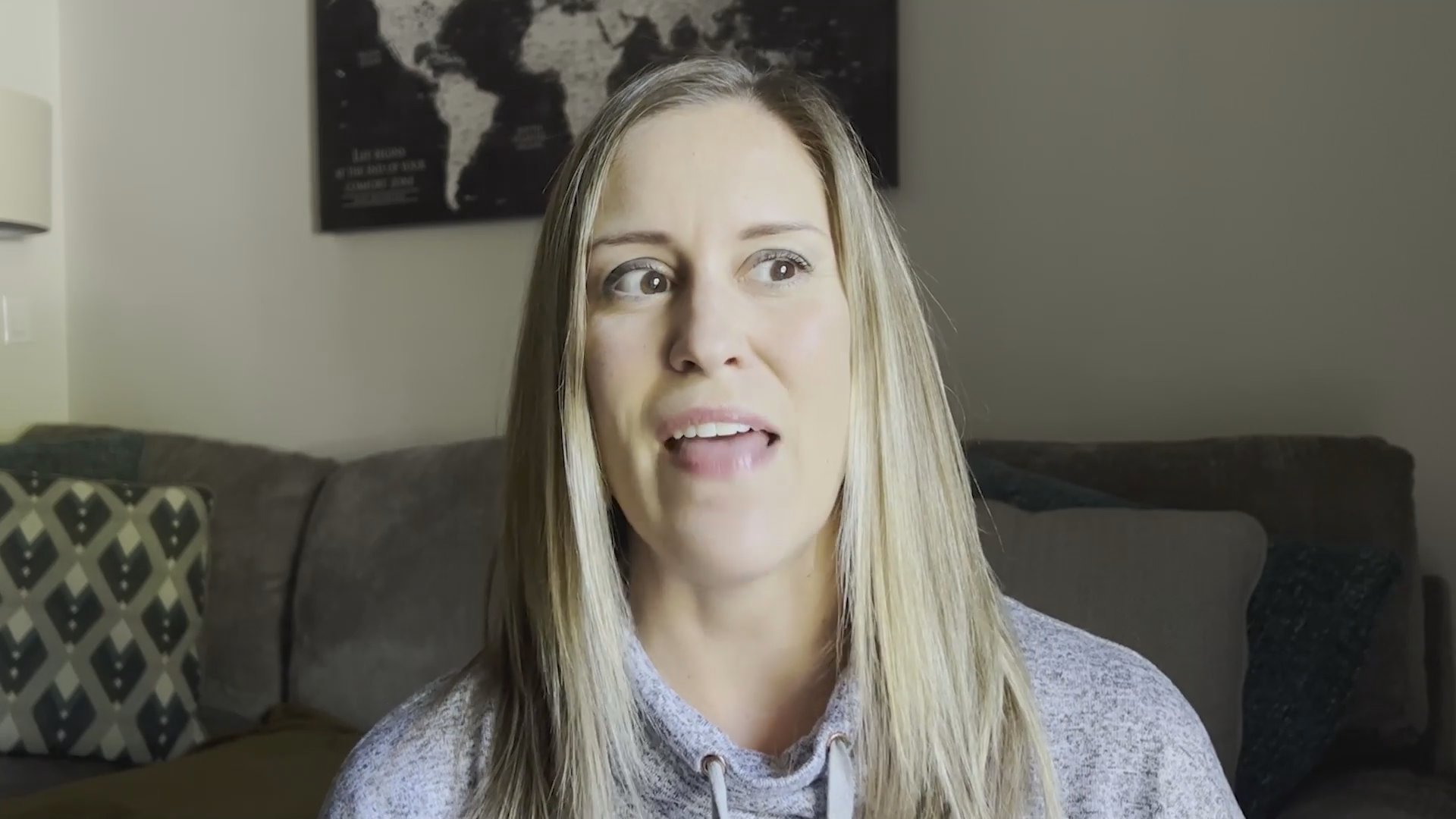
Before becoming the Director Coaching on Cadre, Dr. Carrie used to work as an ER nurse at a Level 1 trauma center. In this video series, she will share some of the most inspiring, life-transforming, and gruesome stories she encountered in the ER and the life sessions she took away from these experiences.
Dr. Carrie greets the Cadre community, introduces her background as a former ER nurse, and explains this video is the first episode of a series sharing dramatic ER stories. This orients viewers to the perspective and theme of the series.
Carrie recounts the patient's horrific accident involving a large farming auger and begins describing the extent of his leg injury. This section sets the scene and explains what an auger is so viewers understand the nature of the trauma.
She gives vivid, sometimes graphic details of exposed bone, vessels, and the flopped foot while noting her own professional and fascinated reaction. Viewers learn how confronting real anatomy in the ER affected her perspective.
The narrator explains that, unusually, the patient was lucid and able to speak, and she describes how the body shunts blood to vital organs and the difficulty gaining IV access. This explains medical concepts (shock, perfusion) that made his mentation possible.
She recounts the patient's plea to be kept alive, her reassurance about standard practice, and how the team moved him to the OR where he survived but lost his leg. This covers the clinical response and final result.
Carrie reflects on how the experience reframed everyday stresses and urges viewers to put their problems in perspective and be grateful for basic needs and life itself. The video ends with a brief invitation to reflect and a closing blessing.
Hey Cadre family, Dr. Carrie here. Before I worked as the director of coaching on Cadre and as a creator on the Cadre app, I actually used to be an ER nurse. So in this series, you're going to hear some crazy, amazing, life-transforming stories from when I worked as an ER nurse. So this is episode 1, Stories from the ER. And this story is probably the most incredible thing I have ever seen as an nurse. So I used to get asked at parties, what is the craziest thing, most gruelsome thing you've ever seen?
And this is definitely at the top of the list. This gentleman came in to our trauma bay after experiencing quite the horrific accident. He got his leg cut in a farming auger. Now, if you're not familiar with what an auger is, I don't even know what a farming auger is. I know what an ice auger is. Minnesota native girl here. I've used one of those things before. And it's basically like a really large drill bit. But a farming auger, from what he described to me, was about 3 or 4 feet wide. So imagine a drill bit that's like 3 or 4 feet wide and you're drilling a hole.
He got his leg caught in that. And when he came in, he was rolled into our trauma bay with a combat tourniquet on his leg, which is something they use. You probably have heard of it in the military, but it's something we use in serious traumas where basically you're cutting the blood supply off from the leg or the extremity. And it completely cuts off the blood supply because that basically you're saying this limb is not salvageable. So he came in with pretty much 1 1/2 legs. Like there were some bone sticking out of his right leg and then majority of skin was gone his foot was kind of just flopped off to the side I'm sorry if you're eating when you're watching this video I would recommend you to put your fork down because it is pretty pretty gross.
But me being the nurse and adrenaline junkie that I am thought, this is the coolest thing I've ever seen. Like the literally anatomy and physiology lesson right there in front of me. I used to have to take anatomy and physiology before becoming a nurse. And you learn about the bones. You sometimes get to work with cadavers, but you never actually see it in real life until it happens and it rolls into your trauma bay. So I could literally see this guy's bone sticking out of his leg. And I was just So I looked at it.
I'm just like, is that what a bone looks like? And I could see the veins, the vessels, the tendons, like everything inside his leg. It was just fascinating to me. But the most fascinating part of this story was the fact that the guy was actually lucid and talking to us. Most people who've lost their leg have had one of two things happen. physically they've gone into shock because they've lost so much blood. This guy had lost an absorbent amount of blood. Or secondly, they go into emotional shock and they can't even cope because they literally just lost a limb and they've lost so much blood supply.
But it was just a fascinating experience to see this guy talking to us, first of all, and clear-headed enough to tell us, I know I've lost my leg, just please don't let me die. And it was just fascinating because the human body to me is just one of the most fascinating things ever created because literally it does what it needs to do under stress, right? This guy's body did exactly what it needed to do. It shunted the blood supply to his heart, to his head, his brain, so that he could still mentate, so his heart could still pump.
And at this point, like his hands, even though they were completely uninjured, were completely numb. He had no feeling in his hands because his brain had decided His arms, his hands don't need blood supply right now. We have very little blood circulating and we need to shunt that to the heart and the brain. And so it was just fascinating. It was really difficult to get an IV because he didn't have a lot of perfusion in his arms. But it was just fascinating to me to see this guy talking to us and saying, right now I know that my chance of survival is pretty slim.
But all I'm asking is you help me save my life. Do what you want with my leg, cut off other limbs, just save my life. Like he had that basic of a survival instinct to tell us, just save my life. And I went over to him and I reassured him, I said, nobody leaves the dead. which is true. We actually always ship someone out of the alive. It may mean that they're on machines keeping them alive, but we stabilize them, we ship them out. That's what we do in the And within about 15 minutes, we had this guy up in the OR and he did live and he lost his leg, unfortunately, but he was so grateful that he was alive.
And it really made me think there's so many things throughout the day, the week that stress me out. But when you put something in perspective, really we go back to our basic instincts of survival, shelter, food, water. And when our lives are going well and we have all those basic needs met, we forget sometimes about like, what are the basic needs and what are the basic things that I need to be grateful for? Because in this moment, he was saying, the thing I'm most grateful for is the fact that I'm alive.
I don't even care that I'm losing my leg. I'm losing my career because of that. He said, I just want to survive. So I would invite you to think about that. What little things throughout the day do you struggle with that stress you out that you can say, you know what, I'm gonna put this in perspective today and think of that guy in the Thanks for tuning in with me today. God bless.
Reactions and comments are for members. Joining is free and takes a minute.