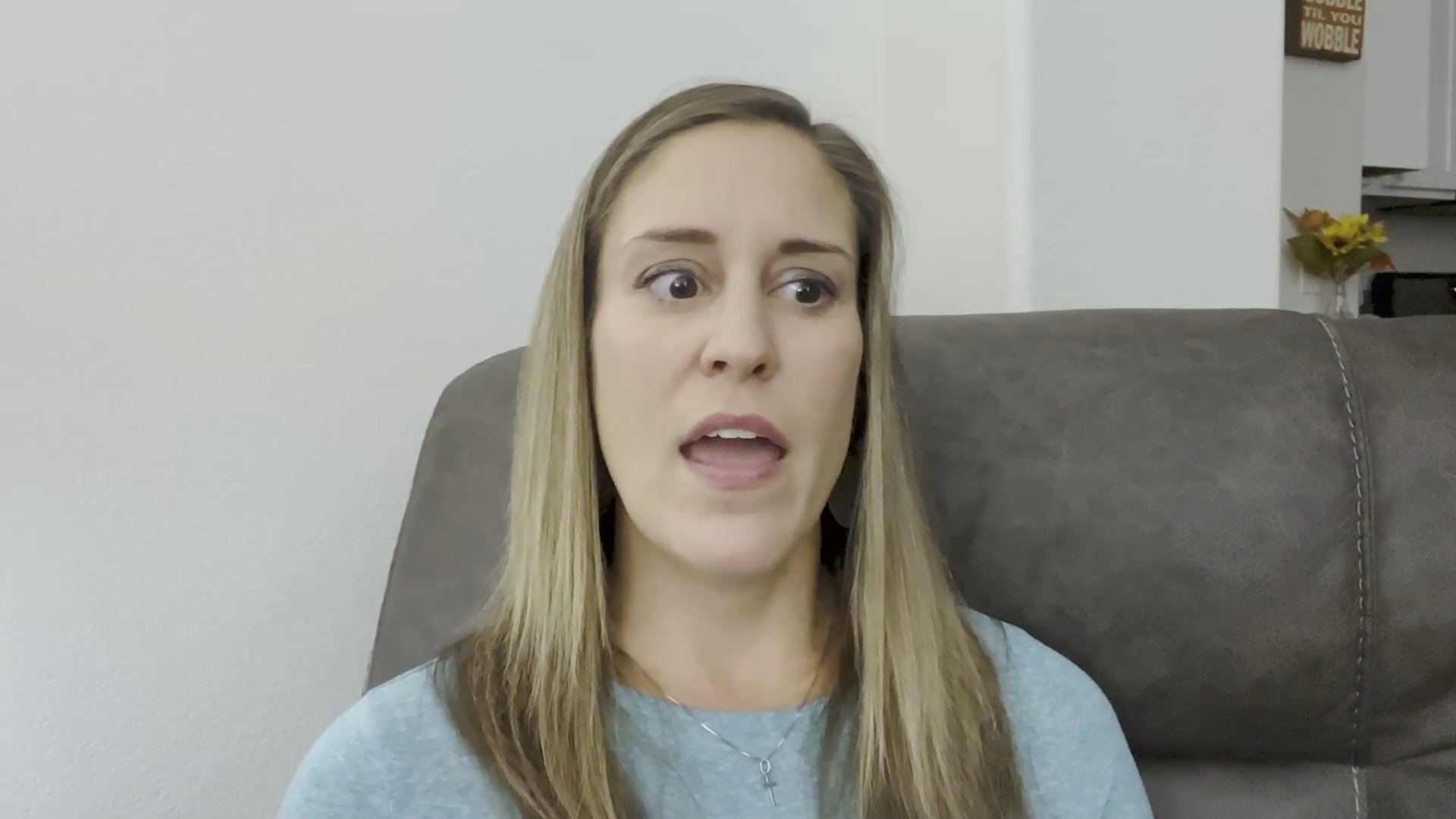
In Part 3 of this series on EMDR, Dr. Carrie explains in detail her experience with EMDR and how it helped her work through the most challenging emotion from her sexual assault trauma.
Dr. Carrie opens the video, greets viewers, and explains this is the third installment in a series focused on EMDR therapy. This short intro orients viewers to the episode's purpose.
Carrie recounts being skeptical about EMDR and distracted during her first session when asked to follow finger movements. She explains that early sessions brought up a traumatic memory but didn’t yet reach the emotional core.
This section details the painful emotions—shame, blame, anger—and the bodily sensations (hot chest, nausea, jitteriness) that arose while processing trauma with EMDR. She also describes sensory experiences like seeing colors and how the brain can produce surprising images.
Carrie describes the turning point where she redirected anger toward her attacker and was able to acknowledge she acted reasonably to survive. EMDR allowed her to add logical context to the traumatic memory, reducing its distressing power.
In closing, Carrie encourages viewers considering EMDR or trauma therapy, acknowledges the difficulty of the work, and highlights the substantial benefits she experienced. She also notes available resources and thanks viewers for watching.
Hey cadre family, Dr. Carrie here. Part three of this series for EMDR. Today we're gonna talk about my experiences with EMDR and I'm gonna get into more details than the last two. So the first time I ever did EMDR, I was really skeptical because I thought this is kooky. I don't know why she wants me to follow her fingers. I got really distracted doing this business and I'm like, I cannot follow this, this is really ridiculous. And I didn't get a lot of benefit from that first session. She asked me to recall a traumatic memory and it had something to do with my sexual assault.
I think it was maybe the first time when I was grabbed at knife point is what she wanted to work through that first part of my memory, which was obviously very disturbing. And it wasn't until like the second session, third session in EMDR that I really started to get to kind of the root of the emotions. behind the painful memory. And the one that was the hardest for me to work through was the blame I had for myself when I was attacked at knife point. And I didn't scream and I didn't run. And you can see it still evokes a little bit emotion in me because it was my one opportunity to escape.
and I didn't scream and I didn't run. And I held this over my head for so many years that I should have done something different. And so I carried this blame and shame about it. And in pulling up that part of the memory with EMDR and just allowing things to kind of come, And sometimes she would ask me to say, you know, what are you feeling right now? Where do you feel in your body? I would often get kind of like this hot anger sensation, like in my chest. Sometimes I would get really nauseous. I would have just like this pit in my stomach, like pain in my like deep stomach.
Other times I would get really jittery and I would like feel like I needed to move and run because I just couldn't sit still. Other times she asked me that if I was like if I couldn't really connect with my body in that moment and say like where I was maybe feeling whatever I was feeling, she would ask me to talk about like, do you see any colors? Do you hear anything? Do you? And sometimes I would see like red, like I literally could like see flashes of red and like I was seeing like auras or something.
It was it was nuts guys. It was nuts. Like what your brain is capable, right? And I don't even fully understand how it all works, but it took two or three sessions to work through that emotion of the blame that I carried. And it was so powerful because as I started to feel just this physical pain and nausea and the anger that I was carrying, I realized that the anger I had deep inside of me that I was turning against myself for not screaming and that moment that I was grabbed at knife point was really anger I directed at him.
So I didn't scream. So I didn't run away. I had a knife to my neck. I got stabbed in the process of all of this and I believed he could hurt me. So I now can say I did the best that I could in that situation and I reacted probably appropriately given the circumstance. Had I screamed, I'd probably be dead because he would have sliced my neck and he did even later on. So through EMDR, that's the power of EMDR that I am now able to sit here and say, even though that feeling of blame can still come up of like, why didn't I do something?
My brain doesn't immediately go to that memory and say, yep, you should have, and like all of those like what ifs. My brain stops and says, nope, you did what you needed to do in the time to get out alive. And that anger that you're feeling right now towards yourself, you can direct it at him because Just because you think you could have acted differently, you also had no control over the fact that you were just attacked by someone. And so by doing EMDR therapy, I can sit here today with logic. Logic has been put back in to my situation of sexual assault.
Before that, my brain would go rip that file cabinet out and say this, this, this, this, all these things, and you screwed up here and here, and there was no logic in there. Right? But now I can say, after doing the EMDR therapy, after going through that whole range of emotions, I can put some logic into that memory and it's much less disturbing and distressing because I recall it and it was a horrific thing that happened to me and I'm so grateful that I'm here alive to be sharing this with you.
But now I can put some logic into that and say, ah, I can separate kind of the difference and I can still say, that's why I blamed myself, right? because I could have done something different and I didn't. But you know what? It's okay how I acted. And so you can actually have this like logical conversation with yourself once you've worked through some EMDR. So I want you to just feel encouraged that if you are thinking of starting it, you're wanting to try EMDR, or any other trauma therapy, know that the work is really hard.
But the benefit, guys, it is so incredible to be able to say to you because there were years of my life where I struggled with so much anger to myself and blame for that. And I can now say, you know what? I don't blame myself for being attacked at my point. It sounds so silly to say, but I just want to encourage you that my experience may be very different from yours. And it was, you know, definitely kind of a wild ride of the stuff that came up for me in sessions, but it's so worth it. And I just highly encourage you to try it.
If you have specific questions about it. We have Evan, our creator on Cadre, who's an expert in this. He is a therapist, he's trained in this, but just from somebody who's gone through it, I wanted to hear you to hear what my experience was like. So thank you for tuning in with me. God bless.
Reactions and comments are for members. Joining is free and takes a minute.