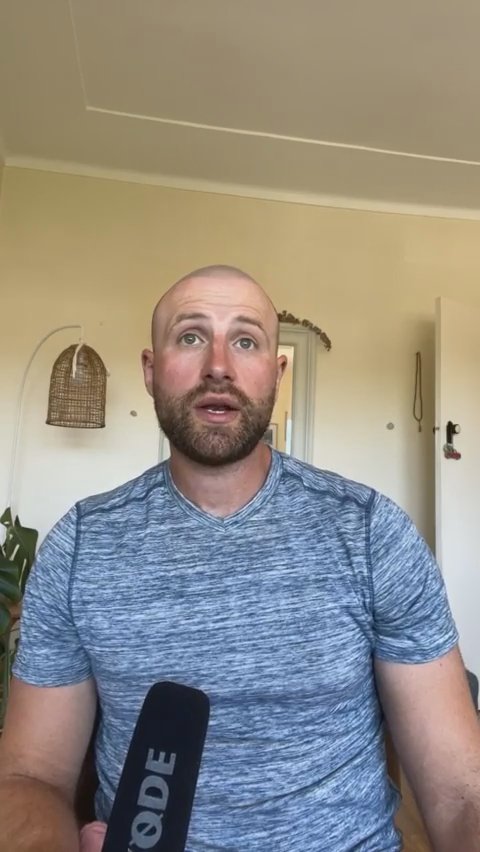
In this Livestream I will discuss a hot topic that has continued to come up since the start of the pandemic. With the explosion of users on TikTok there has also been a rise in the amount of mental health content on the platform and other platforms like Instagram as well. On it's face that seems to be a good thing, but there has been a lot of criticism that some of the content has not been scientifically based or that people are taking this information and diagnosing themselves. However, being a creator on these platforms, I see some of what the critics are saying but I want to clap back a bit and give the other side.
Nick Gillespie: The amount of social media content exploded over the past year. He says it coincided with a rise in certain disorders. Are they, is this, like, a social contagion phenomenon? Gillespie: For each disorder, it's going to be a little bit different.
So some people have it, but others, you know, but a lot of people see that and maybe start to invite some of those symptoms. Now, I don't think they're necessarily faking it. They may actually believe they have it. Because there is this social mirroring effect.
There's a similar phenomenon going on with autism and ADHD. With these things going hyper viral, a lot of people start diagnosing themselves. Just, like, don't diagnose yourself. Go, if you think you have this, see a professional.
We all have traits of many different disorders. It's not until you have almost all of them in a certain category. Everything is on a spectrum, so it's really hard to say. What are the risks and rewards of having content out there about mental health?
Here, your resident mental health and addiction therapist. And today there's a certain. This thing on. I wanted to talk about something that just keeps coming up. And, I mean, it's really been over the past year especially. So we had this thing, I don't know if you know about it, there's this pandemic thing that we had. Maybe you read about it on the news. And what happened was the amount of social media content exploded, like, especially in the health space and the mental health space, particularly.
And so it was interesting. So at first, I think it was viewed as, like, a very good thing. Right? People were sometimes getting some education or perhaps, you know, some skills or support or, you know, whatever they got through it, because for whatever reason, maybe. I mean, there's a lot of reasons why, but they couldn't access therapy. Now, this is not meant to be. And I don't think any creators like, yeah, this is a substitute for therapy for any means, but people just naturally found more support with it.
Now, this also coincided with TikTok, right? So the rise of this social media app that just exploded, you know, all about video content and all about getting people content that they want to consume or maybe even learning things that you didn't even know you wanted to consume and getting that thrown at you. But so then what started to happen at the same time is you had some of this phenomenon going on, which is a rise in certain disorders now, you know, some of the big ones, like, let's say, like, some of the big ones that got a lot of traction on social media that people were interested in.
We could break down each of these. So you have, like, borderline personality disorder, narcissism, ADHD, Tourette syndrome, and multiple personalities known as dissociative identity disorder and autism. Right. Especially autism level one, formerly known as Asperger's. Right. So these are the ones that started to get a lot of attention. And it's kind of interesting. I found it very interesting and quite a learning experience being like, okay, well, why are so many people interested in this topic?
Like, why this one? Right? And so then from there, a lot of controversy happened because it's like, well, is this actually good for people to be consuming this content? Because you have a lot of people where the rates are going up, and why is this? Are they, is this, like, a social contagion phenomenon? And that's what it was kind of treated as is, like, okay, these aren't people who, like, all have it, you know, are people who are seeing these things or, you know, especially, like, teenagers and teenage girls, adolescent girls who are kind of picking these things up from each other, the populations that are more susceptible to these kind of social trends.
And what's another nicer word for social contagion, but kind of picking up these symptoms from other people and that maybe it's not genuine or ingrained. So a lot of these things are complicated and for each disorder, it's going to be a little bit different. But I think I'm someone, I'd like to think, uniquely qualified to talk about this as someone who is a practicing therapist, but also a social media content creator who is kind of part of this whole thing, right. And so I've learned a lot, and I've had a lot of places reach out to me, different organizations, and pretty much like the big ones, like the Washington Post and LA Times and a couple of these other places that reshed was all about, they want to know about this phenomenon.
So, like, I looked more into it because I'm like, I mean, just because I made content, I don't know what the heck is going on here. I could just surmise, but I looked into it and there's like, more research being done on it. But, you know, for example, like, Tourette's is a big one, and that's one that I think, you know, because a lot of times this is like a rapid onset. Onset. Oh, what up, Nick? You know, like a rapid onset type thing where like, okay, so if you're, if you are watching social media and you do not have Tourette's, and then you all of a sudden start developing it from watching it.
Okay, now that is kind of more that social. Maybe I'll, like, make up a word. Social. Uh, passing. Passing on you are, well, call it manifestation. Social manifestation. How about that? Okay, so kind of manifesting these symptoms, catching it from somebody else. Right. They just kind of manifest from seeing others do it. Right. And that's a thing. And it's not, you know, it's like, you got to be careful with that because some people are just more susceptible. People are susceptible to hypnotism.
Right. I would have just. I would guess that it may be even like a similar process going on in the mind. Right. So, you know, so there's that. I don't know a ton about it, but the, the rise has gone up significantly. And I know some creators who are doing it, and they're honest and genuine, and they've had this since they were young. It is a real disorder. There's one girl that I'm, like, connected with on social. I mean, she has millions of followers, probably 1819 years old. You know, she's very funny, but I mean, it's very dramatic content.
I mean, it's like, you know, and I'm not, like, gonna make fun of it, but it would be like me sitting here talking and then just being like, f*** you, Charlie. You know, like, she'll have these new ones. She'll go into like a british accent or something. Like I told you, like, her famous one is, you're done. You're done, right? So, like, just in the middle of talking, like, she'll do this like ten times. And. And it gets a lot of views because it's like, as Nick said, maybe fascinating. You're like, whoa.
Like, this is a disorder that is so dramatic because a lot of times the tics that they have are that dramatic, right? And they could be like, offensive and swearing and like, you watch it, you're like, whoa, remember my, like, I was watching it. My dad looked over when one of her videos came up, and he was just like, what the heck? Like, like, he thought she was just being like, crude or something. I'm like, I'd explain it to him. He's just like, oh, my God. Like, people don't realize that, right?
So, you know, so there is that phenomenon. So, okay, so that would be like something like Tourette's, right? Then you have, like, a similar thing. Very similar, with dissociative identity. And I've had, you know, I talked to my friends who are clinicians working more at the adolescent population, let's say, in a treatment setting, and they'll say, yeah, like, I got a lot of these teens coming in who think they have multiple personalities now, it. It's pretty safe to say most people would think, like, yes, this is a real disorder.
Was controversial for a while. You know, it's not schizophrenia. They don't respond to the medications that normally would, you know, it's a trauma based disorder. So however you want to call it real, not, you know, whatever, you know, it's a. It's a real condition. I've worked with people who have it. It's been very debilitating for folks. So some people have it, but others, you know, but a lot of people see that and maybe start to invite some of those symptoms, right? And it's not true, right.
It's not the true disorder. Now, I don't think they're necessarily faking it. They may actually believe they have it. Right. Because there is this social mirroring effect that we could pick up things from other people, just like the placebo effect. I'll talk about, in the end what I think is happening here on a grand scale and my experience with it and why I think this is the case. But also talking about the pros and cons of even having the kind of content we do, then you have something like ADHD.
We'll just kind of lump these. Not that they're both neurodevelopmental disorders, but just there's a similar phenomenon going on with autism and ADHD. Now, the thing with these symptoms, we cannot diagnose these with a blood test, a brain scan. Some claim they would, but that's controversial, but that's not how we normally do it. So a lot of times, you have a lot of creators who have autism, also the professionals who work with them, but creators who have autism and ADHD, and they make content on it.
And the thing is, a lot of the symptoms of ADHD and or autism, these behavioral symptoms you could relate with, right? So, for example, like, folks with ADHD have a hard time doing, like, menial tasks or boring tasks, like, paying their bill, you know, like, really struggle with that, doing the laundry. And then you could watch that and be like, whoa, I hate doing the laundry, too. Right? Maybe I have ADHD. Or I could relate with a lot of these things that someone who has ADHD or autism on these social media platforms have, too.
And so what ends up happening is, you know, with these things going hyper viral, a lot of people start diagnosing themselves. And now. But that's what they say, right? That's the critic. They start diagnosing themselves. Now, I'm sure some people do that where they're like, but I don't. I mean, if I really, like, put these folks feet to the fire and say, like, do you have this for real? You know? Like, do you know? They probably say, like, yeah, I think I do. I don't know. Right? And so what us creators will usually tell people these days, we kind of know that this happens.
Just, like, don't diagnose yourself. Go, if you think you have this, see a professional. So, like, I have a buddy who does testing for ADHD and autism. And so he said, yeah, because of TikTok and probably people like me, you know, there's been an explosion of people wanting to do testing for those two disorders. So this is the question I had. I was so curious. I was like, okay, so of those people coming in, how many of them actually meet the criteria would you diagnose? He said about half. And that really that really set it, you know, that was really illuminating for me, because then you have to ask yourself, okay, so let's say somebody self diagnoses.
What does that mean? Okay, let's say I have ad. I relate with the symptoms of ADHD, but I don't have it. I'm not saying there's no harm to that, but, like, what are you gonna do? Like, okay, so if you're like, okay, I'm gonna go get on meds, even though I don't have it. Well, you have to get diagnosed, and now you're, like, seeking professional help. Now, maybe there's some providers that'll just kind of go with whatever you say, irresponsible ones, but at least you're going to get help because otherwise you can't just get medications, you know, then what are you going to do?
Some of the skills that help people with ADHD. Well, those kind of help anybody, right? So, no, but you don't want to, like, carry around a disorder, a diagnosis. You know, some say, like a badge. That's another kind of criticism, you know, let's say, like, what's happening with teenagers and, you know, comparing DSM five diagnoses and wearing them like a badge of honor, you know, it's good that we have more mental health awareness and people are being, you know, there's less stigma. But, you know, you.
You probably don't want to take it too far as to, like, start collecting these things because they are many of them mental illnesses. Right. You know, these are things that have a very significant negative impact on people's lives who have them. So it's like, you don't necessarily, like, want to go out of your way to get them. If you have them, you could be proud of it and, you know, make it, you know, part of your identity is just like, yeah, this is something I struggled with, and this was just like, any hardship that someone goes through, you don't make it your identity, maybe part of your identity.
Right. For someone like myself who struggles with addiction, right. I've made that part of my identity, not all of who I am, by any means. Right? So, okay, so then on the other end of it, you have an explosion of people who actually went to a professional to get diagnosed or ruled out, and half of them had it. So now you have all these people who got diagnosed because of social media, rightfully so, or not, and they're getting help in services they wouldn't have gotten otherwise. So I think that is a net positive because I don't know.
I mean, I've never heard of a story of, like, someone diagnosed themselves with ADhd and then didn't do their homework. Like, what? You know, like, what's the worst that could happen? Again, I'm, like, hesitant to say that because, like, maybe, you know, it's like, you don't want to do that, but, like, is it the worst thing that's ever happened? Okay. And so I'm going to give you a parallel example, and what I think is happening, which is the WebMD effect, is what I'll call, like, remember when WebMD came out?
Right? And they're probably putting accurate information out there, but, like, we kind of soon realized, like, it probably shouldn't go on there because you diagnose yourself with everything. Like, oh, God, I had a stomach pain. I have, like, bladder cancer now. Oh, I have a headache. I have a tumor. It's like a hypochondriac playground. And so people will be dying. So what do those people do? They're like, they probably go to the doctor and say, I think I have this. And then the doctor's like, no, you don't.
Right now, the bad part, you don't want to be going on there and, like, giving yourself anxiety and being up in your head about having some disorder that you don't have. Right? So we have the same thing for physical disorder now. You know, what are we supposed to do? Okay, so let's say as a creator, I'm like, don't diagnose yourself. Okay, but are people gonna listen to me? I'm not saying I shouldn't do that. You know, maybe it's a good reminder and that some people will take that and be like, oh, yeah, I shouldn't.
I should listen to this guy. But other people just be like, okay, just like, WebMD, don't die. It would probably say, don't diagnose yourself. But then you read it and you're like, nope, still have cancer. So it's a very similar effect. And actually, when I was taking my favorite course in grad school, which is all about diagnostics and learning about the DSM, because as a therapist, you know, we have to diagnose people, and, you know, there's a big responsibility that comes with it. We had such a great teacher, my friend and I, who we went through together.
We loved her, but she was just such a good teacher. She was, you know, about teaching, about diagnostics, and one of the things she said is like, you are going to pick up the DSM, and the first thing you're going to do is start diagnosing your. Yourself and your family and friends. Do not do that, because most of the time, it's just not going to be the case. Because when you have a list of behavioral symptoms that make up disorders, you could relate with it to a certain degree. You know, like anything, depression, you know, having, you know, certain types of negative thoughts.
Well, everybody's going to have certain types of negative thoughts. But when you start getting into the actual having of a diagnosis, we're getting deeper into, how long has this been going on? What is the negative impact? How often does this come back? Frequency, duration, intensity are the three things. We all have traits of many different disorders, but it's not until you have almost all of them in a certain category. And the thing is, it's not objective. I always say it's like reading smoke signals.
I could see, okay, that's a letter. You know, if you're like, drawing smoke in this guy, you're like, okay, that's like a letter a, but it's not perfect. The borders are different, right? So you could read the clouds. Oh, that looks like a dragon. But it also could look. But certain things are going to be more clear than others, right? Where you see something like, okay, that's clearly schizophrenia. They meet all the categories. The borders are much more clearly defined. And where other times, it's not.
Where there's some gray area there, I don't know if it's the best way to describe it. I'll have to come up with a slightly better metaphor. Maybe you all could tell me how that. How that made sense to you. But it's not always this black and white thing, right? So in the end, whenever you see a list of symptoms of anything, you know, you could go there. So it. So does it justify, you know, do so again, just like anything, what are the risks and rewards of having content out there about mental health?
In my biased opinion, I mean, I'm doing this right now. You know, it's like, anyone could watch this. And, you know, I'm going to do some series about adhd, stuff like that, you know, and I'm going to give a lot of disclaimers in those, but. So that's what I'm doing. Like, is it where I. In the end, at the end of the day? I think so. And even just by that little antidote from my friend who's doing the diet and saying that 50% of the people who are coming in actually meet the criteria for these disorders that they've learned about on social media, all these people that would not have gotten diagnosed otherwise because the percentage has gone way up of people receiving, asking for help, and half of those getting it that would not have otherwise, the other folks ruled it out.
They all did that responsible thing. Now, I don't know what other folks are doing. And I interact with a lot of people on social media, and I've never heard of that. You know, I've heard of people being like, I have this, I have that. But, you know, based on, like, what they're saying, like, it seems like they kind of do, you know, you know, they. And maybe some of them have a lot of the traits, and they struggle, and this is a point where they struggle with the same things, right? So maybe it's like, I have some of the traits of ADHD.
I struggle with some of the same things that people with ADHD do. But maybe I learn about some skills that will actually help me, just like it helps them. Maybe I don't have the full disorder. But again, there's some gray area there, right? Everything is on a spectrum, so it's really hard to say. And I know we like, and so I think we like, in a general sense, we like to sensationalize and be like our kids are, you know, being coerced by the explosion of content on TikTok, and they're diagnosing themselves with multiple personalities.
And this is on, like, Fox News, and, you know, all the, I mean, there's stories on every channel picking it up because it's so like, oh, my God, you know, it's like this fear. Like, are your kids consuming this? Are they going, are they, you know, picking up ticks and stuff? Well, you know, for the ones that are, I mean, it's certainly happening. And so I think, like, kind of the biggest ones that are, you know, kind of an issue would be like, yeah, like some of the tourette's and multiple personalities, you know, but these are kids struggling with identity that are adolescents, and they're just kind of trying to grasp onto something to explain the angst that they're having.
Right. They're going through hormonal changes and. You mean, you know, it's like to be a teenager, right? So it's like grasping for something to explain the pain you're experiencing or, you know, a way of feeling unique or whatever you want to put it. So, anyway, that's my rant. I want to just defend us a little bit if you're seeing any of this content. But again, it is a double edged sword. But anyway, hope you found that interesting. Hope you learned something. I'll see you all again this week for another live.
Alright, y'all take care of yourselves.
Reactions and comments are for members. Joining is free and takes a minute.