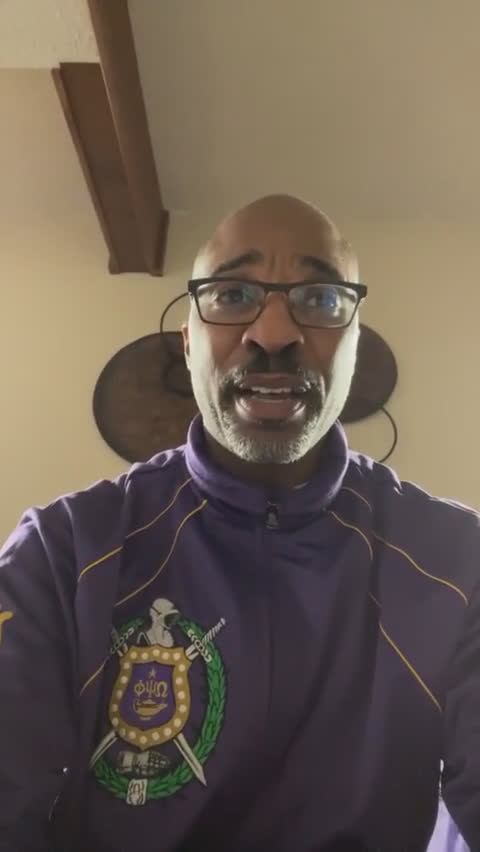
Dr. David Everett defines culture as anything that displays who you are and what you value, then outlines making, modeling, and managing culture in organizations and individuals. He offers examples and stresses proactive creation and addressing misalignments.
Dr. David Everett: Today I'm going to talk about culture and culture setting. He says culture is anything that conveys and or displays who you are and what you value. Everett: Making culture is always the first step. The second step is modeling culture. And finally, how are you managing culture?
Hello and happy Friday. This is Doctor David Everett. I am wishing you a great week and hopefully a wonderful weekend. Today I'm going to talk about really briefly, culture and culture setting. One of the interesting things about culture is it always exists. Whether we are cognizant or conscious of it, or whether we aren't, or whether I should say also we have a handle of it and are in control of it, or it is controlling us. And so one of the things that I think is a great place to start is with always a definition.
So what is culture? You'll hear a number of professional and isolated opinions based on what sector those individuals might be coming from. But a really simplistic, generic, multiple use definition of culture is any and everything that conveys and or displays who you are and what you value. And that can be an institutional culture definition or an individual cultural definition. So I'm going to say it again, any and everything that either displays and, or conveys who you are and what you value. So, as an individual, your culture can be anything that displays and conveys in terms of your characteristics, attributes, how you communicate, how you celebrate all of those kinds of things.
From an organization or institutional standpoint, culture can be what's on your walls. How do you hold meetings, how do you connect with individuals? How do you allow individuals to engage with each other? How do you celebrate and value employees? All of those things can be examples and characteristics of culture. So the first thing that I want you to remember is that culture has to be made. You have to make culture on a daily basis, in an ongoing way, and I would even say on a proactive way. And by creating and making culture, you then therefore are in control, or hopefully stay in control of it.
And so when you see something that might not be happening, that aligns with your cultural values, you're able to speak to it and you're able to disrupt it and interrupt it so it doesn't continue to taint or hinder or hurt or harm your cultural practices. And so making culture is always the first step. The second step is modeling culture. How do you reflect exactly what you believe and want your cultural practices and norms to be? One of the things about modeling is it can, and it should come from leaders, but it can come from all areas and all levels of an organization.
So modeling culture becomes just as important as creating or making culture. And then finally, how are you managing culture? And by managing, what I mean is, particularly when things are occurring that don't align or line up with what and who you are or what or who you want your organization to be or become? How are you weeding those things out? How are you siphoning those things off? How are you actually articulating an aversion to them in a way that stays on top of how those things might occur?
So again, culture, anything and everything that defines, displays, and conveys who you are and what you value. Being in control of it by making it, being in control of it by modeling it and being in control of it by managing it are all important aspects to how you can set the tone for your cultural norms and expectations. Again, happy Friday. I'm Dr. David Everett and I will see you again next week.
Reactions and comments are for members. Joining is free and takes a minute.