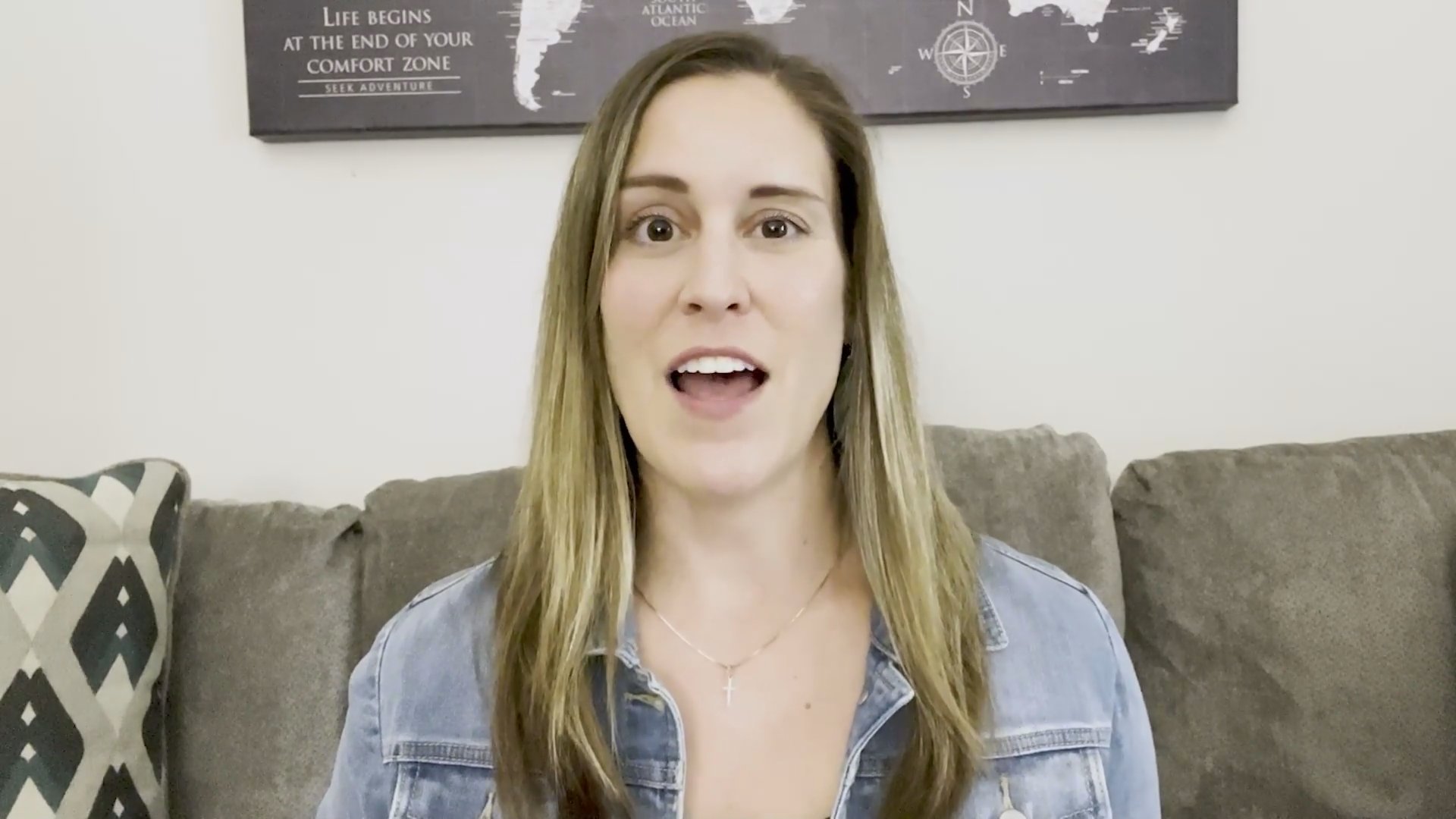
In Part 3 of this series, Dr. Carrie lists off several words related to money to spark your emotional and intellectual response and challenges the listener to reflect on what these words mean and how you use them.
Carey opens part three with a reflection/journaling activity and slowly reads a list of money-related words for you to write down and examine later.
Carey explains why your personal definitions and emotional responses to financial words matter, and how reconsidering those meanings began to shift her own money mindset.
Through a gas-price comparison story she shows how calling something 'expensive' is relative and often triggers stress. She models a calmer alternative phrasing—acknowledging higher cost while recognizing affordability.
Carey contrasts different priorities (driving freedom, social meals, nail care) to illustrate that spending reflects values. She explains why she stopped using 'expensive' and 'cheap' and instead focuses on budgeting and what she’s willing to spend on.
She discusses how negative feelings about 'debt' can hinder business growth and how reframing expenses as 'investments' changes perception. Carey encourages inventorying your emotions about these words and using accountability to change your vocabulary.
Carey signs off, previews part four on viewing others' wealth and its potential blessings, and invites viewers to stay tuned.
Hey Cadre Crew! Dr. Carey here for part three of Money Mindsets. Now today I'm going to challenge you to also do a reflection activity and you're going to be thinking about your relationship to certain words. And this might be a good journal opportunity but I'm going to list off some words slowly so that you can write them down and I want you to later on do some reflection and I'm going to share why. So first I'm going to start off by listing off the words. expensive, cheap, budget, coupon, debt, donate, investment, poor, save, surplus, frugal, thrifty, wealth.
Now, the reason I list off these words and why I want you to think about your definition, your emotional reaction to some of those words is because this was one of the key things I realized that started to shift my money mindset. I used to say the words expensive and cheap a lot. And to me, the definition of cheap is something that is low cost, affordable, maybe lower quality as well, but fit my budget, right? When I say the word cheap. Expensive was something that was out of my budget. Now, this is why these words are so fun to unpack personally, because if you were to ask another person what their definition of those words were, they would have maybe a completely different definition and relationship with them.
So I remember the day that I said, oh my gosh, gas is so expensive. And somebody mentioned to me, no, it's not. Oh my gosh, it is like a dollar more up in LA. 50 less. So in comparison, I think gas is expensive because I'm comparing it back to Minnesota pricing. And somebody else is telling me, I don't think it's that bad because I'm comparing it to LA pricing where it's even more if you just drive 45 minutes up the road. And so when you think about these words, almost all of these words are so relative and it's your own personal interpretation of them.
But then I want you to think about when you say these words, what are you saying to yourself? Because if I'm saying to myself, gas is so expensive and expensive means out of my budget, that's actually not true because I'm still going to drive my car. I don't live in an area where there's public transportation and I don't have really a lot of other options when things are far away. So it's not outside my budget, but I'm commenting that it's expensive, right? So when I say the word expensive, my brain goes, danger.
This doesn't fit our budget. What are we doing? And I get stressed about it. So now instead of saying gas is expensive, I would say gas costs more than I would like it to, but I'm still able to afford it and I'm still going to buy it. And the same thing comes with anything that you purchase, anything that you put your money towards. You're saying, is this really something I value, right? Because I value my freedom and ability to drive everywhere. I value the opportunity to go out to dinner once a month with my girlfriend.
That's part of my social life. I work from home, so that's really important to me. But somebody else could say, oh my gosh, you spend so much money going out to eat. When in reality, I think I go out to eat once a month. So I don't think that's a lot. But somebody else who really values getting their nails done would say, well, I would much rather spend that money getting my nails done once a week or every two weeks. And obviously I don't get my nails done, so I value getting my nails done. So now what I want you to understand is your relationship to these words goes back to what you value in life.
Right? And you might value putting your money towards certain things. And so when you change your perspective on that, you're going to change how you start to hear those words when you say them. So now I have actually cut out the words expensive and cheap for my budget, for my vocabulary, I mean, because what I'm trying to say is it goes back to what I can budget for and what I'm willing to spend my money on. So I actually don't use those words anymore. I also want you to consider the word debt.
I took a business mastermind class and they actually not encourage you to go into debt, but they explain that if you are an entrepreneur especially, you're going to have to go into debt. And I grew up with the money mindset that Anybody who has any debt outside of a house loan, that's bad debt, right? The word debt is bad. Mortgage, on the other hand, is a good word because that's the good kind of debt, but it's the only good kind of debt because my dad firmly believes that you should not owe anybody money beside your house because nobody has hundreds of thousands of dollars to spend at once.
But that means that cars get paid for in cash. That means that you would never take out a loan for anything and that really hinders your growth as an entrepreneur. and somebody who wants to make some really amazing business decisions that involve borrowing money from a bank or from another business. And so entrepreneurs really understand this space of, well, I'm gonna have to go into debt in order to then make more money later on. So if your relationship to that word debt is really negative, you're gonna actually hinder your ability to make some of those smart, maybe really lucrative business decisions that might involve you going into debt.
So hence why I want you to really take an inventory of your emotions and how you interact with these words and then you're going to start to catch yourself saying them. I actually did this activity with a group of people and it was really interesting to hear someone say, oh, we think of our business expense, you know, of opening up our new store as an investment. and another person said, you guys took on more debt? So just by switching that word to investment, she looks at it really differently than someone else that thinks on, you just took on more debt.
So start to think about your relationship to some of those words. You'll start to catch yourself when you say them. And if there is one or two of them that you want to stop saying, maybe have an accountability partner that can catch you and just say, Hey, I just want to point out that you just said that word that you want to stop saying. And you're going to start to get more creative with how you speak about these things. But I want you to really do some in-depth work in this area because I believe so much because it's been so profound for me when I've stopped saying just a couple of words in my vocab.
So stay tuned with me. We're going to be coming up to part four, how you view other people's wealth and the blessings that can come to you. Stay tuned. Take care.
Reactions and comments are for members. Joining is free and takes a minute.