How do you go from manager to leader?? Hardest jump you will make in business. What's the catch?
After a day, I've had an amazing day. Good meetings, good conversations, good everything, really. It's been a phenomenal day all around.
A question came in that I wanted to answer today on tales from leadership or tales from entrepreneurialship. What happens when you feel like individuals are having a difficult time staying on the train with you as a leader? Here's what to do.
Luke: The SAR approach situation, your action and then the resolution. Change is moving from ABC to def. How do you keep people on a train of change? Luke: The most important thing is going through your situation, action and resolution.
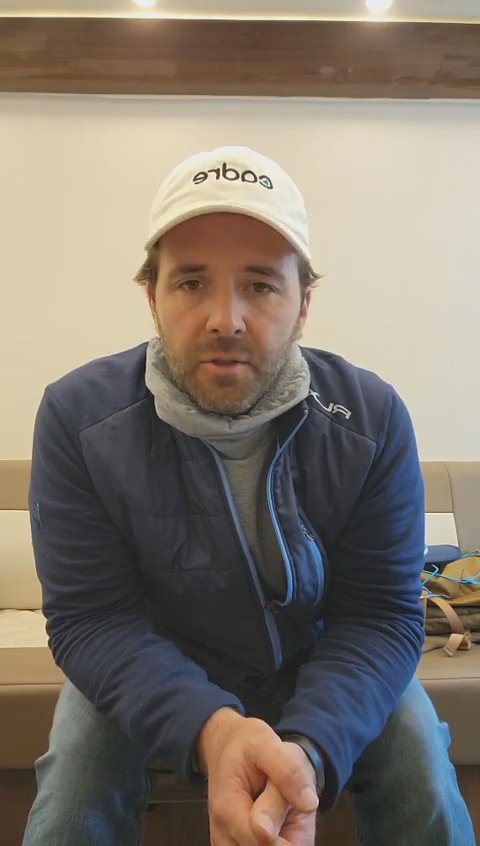
What's up, team Cadre? It's Thursday. Some people say taco Tuesday. Some people say thank you. Thursday. Some people say, yeah, whatever. Thursday is for you, right? For me, it's getting. After a day, I've had an amazing day. Good meetings, good conversations, good everything, really. I mean, it's just. It's been a. It's been a phenomenal day all around. But a question came in that I wanted to answer today on tales from leadership or tales from entrepreneurialship. So I'm going to address it. Okay.
I'm going to read it. I'm going to read it real quick to you here. What happens when you feel like individuals are having a difficult time staying on the train with you as a leader? Right. This is going to happen. This is going to happen whether you're a manager, a supervisor, director, a VP, CEO, anytime you get into that leadership channel and that leadership role and responsibility, you know, sometimes you're going to feel like, you know, individuals are on the train. Individuals aren't on the train.
What do I do? How do I do it and why? Right, so, so the very first thing is this. I call it like a three part, three part steps, right. The first one is you always view engagement with your team almost in a SARS approach. Okay? So remember this s a r. The very first one is the situation. You are going to be up against hundreds and hundreds of situations as a leader. Right? So the very first thing you always do is the situation. And you address the situation. Whether it's communication, nonverbals, verbals, whether it's emails, calling people, text messaging, informing, you, name it.
So the very first one always is addressing every situation. Again, how are we keeping people on the train? The very first one is identifying all in every situation. The next one is action. Okay, so again, identification of the situation. The next one is taking action. What does it mean to take action? Well, this is what you do. Let's say, for instance, something happens to your company. Let's say the government changes the rules. Let's say that your forecasts aren't met. Let's say you have to let individuals go.
Let's say individuals aren't meeting performance improvement plans, right? So now it comes back to action. What action are you taking in regards to the situation? The action might be you already communicated. Right? What action is it removing somebody from a role? Is it going forward? Is it giving people the alternative of choice? How on earth are you going to continue to move forward keeping individuals on the train where situations arise? So again, it comes back to the situation comes back next, of course, to taking action.
And last but not least is assessing the resolution. Okay? So you're going to always remember this going forward. Okay? So anything that's happening to you as a leader, no matter crisis, minimal medium of the road, issues or things that come up for you, always remember this. The SAR approach situation, your action and then the resolution. So now situation has come up. So let's, let's just, let's just use this as an example. Change, change has happened at your company. Change is moving from, you know, ABC to def.
Some people may like it, some people don't. Whatever. That's, that's not to worry about right now. It's how do you handle it? So again, the situation is company a is, is making change and changes are ABC. You're communicating that taking action now. Action means you have action steps. Change was communicated, email goes out, text message. How do you feel? Why do you feel this involvement, all those things about the situation. Action might be, you know, small groups, small group meetings, developing our strategy around the change leading into change, all those other things.
Last but not least is now it's the resolution. Resolution can be feedback. Resolution can be meeting with individuals. Post action. Resolution can mean taking data, stats and analysis on things. Resolution can be a survey, survey results. So again, in order to keep people on a train of change, which was the question, how do you keep them together? Right? How do you keep them together? So the number one thing, situation, action, resolution, how do you deal with the situation? What action are you taking and what resolution are you presenting in order to keep individuals on the train?
And when you do that, you're going to find three things. You're going to have a communicated staff, communicated teams. You're going to have informed individuals, knowledgeable individuals. And last but not least is you're going to have individuals that either do one or two things through the change, right? They either self select or they conform and adapt. And individuals that self select is probably the best thing that can happen. And individuals that adapt or conform with the change is phenomenal.
Right? We've have a different cultural shift. Things are happening. So anytime things happen in any company that you work for, it's how well you as a leader operate through those buckets, right? Because everything is the same. Every situation is ultimately the same but different. Right? It's still a situation. You still have to take action and you have to identify what resolution took place. And you will miss. Yes, you will miss 100%. Do it all the time. Miss all the time. But you have to take those steps.
What's your communication plan? What's your action plan? And how are you going to find resolution? So I hope that helped today in understanding, you know, when you, when you make change, when you make wholesale change, the question was specifically how do you keep people on the train? How do you keep people on your train? And I think the most important thing is going through your situation, action and resolution. But again, are you inspired by the changes as a leader? Are you motivated by the changes as a leader?
Are you feeling good about those changes? Right. So when you take a look at all those different things as they trickle down and the effects of the trickle down, I think you're going to find real quickly, you know, where you stand. And then when you find out where you stand is not only a leader but also a liaison for the team, you'll quickly understand and identify what other maybe actions need to take place, what other maybe communication need to take place, what resolutions are still left on the table.
So again, I hope my message helped today. If you can take any one thing away from this, it's the SAR approach. And the SAR approach can be used for almost any conflict, any situation, any change, any, anything that you're doing with your company. What's my situation? What is my action and what is my resolution? ABC take care. Y'all have an amazing week. Looking forward to next week's tales of leadership or tales of entrepreneurialship with Luke. Take care of y'all. Take care. Bye bye now. Have an amazing rest of your week.
Thanks.
Reactions and comments are for members. Joining is free and takes a minute.