Understand the difference between boundaries and ultimatums, and how to set them in a healthy way.
Family doctor Carey wants to talk about setting boundaries. Setting a boundary is setting a limit for yourself. It's basically telling somebody how you feel, but setting a limitation. The first time you set a boundary with someone it can be really challenging.
When you're setting an ultimatum with someone, there are healthy ways to do it. The unhealthy ways are what you're familiar with, and that's a threat. What you're really doing is respecting the other person and setting a boundary. It's really important that when you set a boundary, you follow through with it.
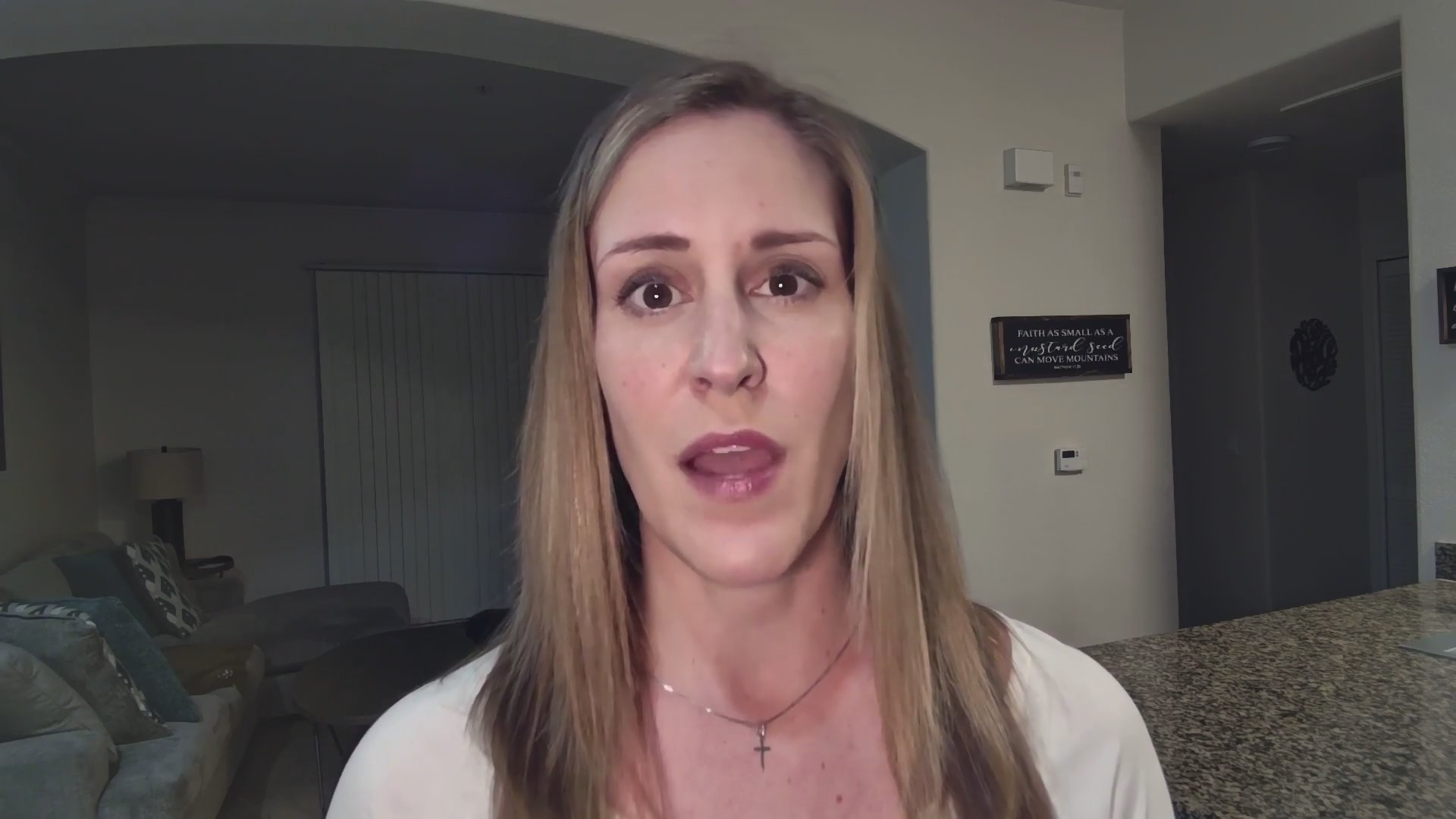
Hey, Cadre. Family doctor Carey here. Today I want to talk about setting boundaries. And this most likely applies to you in your personal relationships, but it could also apply in family situations. It could apply even in the public setting when you're interacting with someone, usually on a regular basis. So first, I want to explain the difference between setting a boundary and making an ultimatum, because they're very different. And keep in mind that the healthy way to do this is to make these for yourself.
So let me explain. Setting a boundary is setting a limit for yourself. It's actually a respectful thing you can do for yourself. And it's saying, I would really appreciate if you wouldn't talk to me like that, or I would appreciate if you wouldn't bring up my family. It causes me a lot of hurt when you bring up my family. It's basically telling somebody how you feel, but setting a limitation. It's not saying if you do this or else, that's a threat or an ultimatum, but I just want to make sure that distinction, that setting boundaries is saying, I'm recognizing something here and I'm asking you to please stop.
Usually it means please stop. It could mean continue doing something, but usually setting a boundary means please stop doing something. So it's just being in a respectful way, asking someone, hey, it really bothers me when you talk about, like, my family like that. Could you please stop? That's setting a boundary. It's healthy. It's something we should do in our everyday life with people, especially in intimate relationships. When someone pushes your buttons, maybe they didn't even realize that something was a trigger for you, but it could mean your family, you know, telling your family, I would appreciate if you would stop asking me when I'm going to get married because it really bothers me.
You don't even have to say because it really bothers me just saying, I really don't like that topic. Please stop bringing it up. And let me tell you, the first time you set a boundary with someone that you haven't set boundaries with, it can be really challenging. And I'm going to delve more into that in another video because first I just want to explain what the difference is, but just know that we'll get into those topics because it is challenging. It's not as easy as it sounds. Now, I want to explain the difference between an ultimatum.
An ultimatum, there are healthy ways to do this and unhealthy ways. The unhealthy ways probably are what you're familiar with with an ultimatum, and that's a threat. If you don't go to counseling, I'm going to get a divorce with you. If you don't do this, I'm going to do this. It's basically saying, I'm going to do something. I'm taking ownership for my actions, but I'm threatening you that if you don't do this or if you do do this, then the consequence is going to be this. So the way it comes across is a threat.
It's saying, I'm expecting you to do this. You're taking on a control position in the relationship or in the dynamic, and it no longer is setting a boundary or a healthy boundary or setting a limit that's respecting you and the other person. It's saying, if this or else. So just understand that when you're setting an ultimatum with someone, there are healthy ways to do it. A healthy way to set an ultimatum would be something needs to change, your behavior needs to change, or I'm going to reconsider this marriage.
That's that. It comes across as a much less threatening statement. And it's saying, here are the consequences for the actions. I'm not saying you have to do this or you don't have to do this. I'm saying that if something in this situation doesn't change, if the way you talk to me doesn't change, if this abuse continues, I'm going to have to do this. There's a consequence for the action, and it can be really simple and matter of fact. And it's important to remember that when you're giving somebody an ultimatum, that you deliver it in a loving way, because what you're really doing is respecting the other person and setting that boundary with them.
That says, if you violate this boundary, I'm going to be forced to do this. Consequences of your actions. Think about it. With children, you give them consequences for their actions. If you continue doing that, I'm going to take the toy away. That's not a threat per se. Depending on how it comes across or how you say it, it could come across as a threat. But it's saying, here are the consequences for your actions. And I'm letting you know that because I want to give you that respect and honor, to let you know that I'm going to follow through with these actions.
A lot of times, just the, the statement of making that consequence or saying that ultimatum is enough for somebody to change their behavior. It is enough sometimes for your child to stop doing what they're doing, hitting their sibling, for example. There are other times you're going to have to follow through on the ultimatum and keep that in mind. It's really important that when you set a boundary or you make an ultimatum that you follow through with it. Because what you're doing is you're saying, I'm staying true to my word.
I'm honoring and respecting myself, my boundaries, my health, and also respecting you because I'm not going to say things that I don't mean. So if you don't mean it, don't say it. Don't make threats. I can't handle you. I'm going to get divorced from you. If you're not going to follow through with those, don't make those statements. They're really damaging in a relationship. So I hope this just shed a little bit of light on the topic of boundaries and ultimatums. And I'm going to go through in future videos, videos of how to do that and what it looks like, especially if you haven't set a boundary with someone before or made ultimatums in a healthy manner, because it can be really scary the first time you do that in a relationship.
But just let you know that I have been through this journey of setting boundaries and ultimatums and I've gotten to a much healthier place, so it is possible to do this in a healthy way. There's also a really good book out there. It's a super old book, but it's really relevant. It's called boundaries. I would encourage you to read it. I learned a lot from that book, so stay tuned for more on this topic. Thank you. God bless.
Reactions and comments are for members. Joining is free and takes a minute.