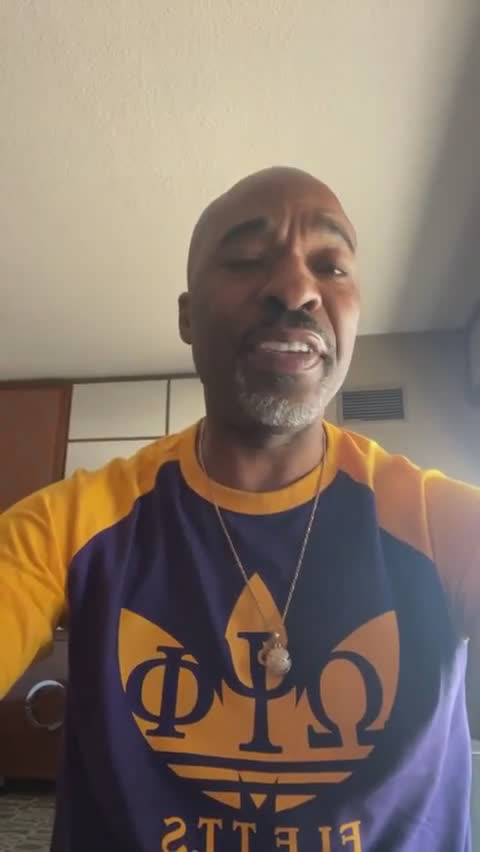
Doctor E explores why vulnerability matters in leadership, describing how sharing uncertainty and learned mistakes builds connection, models risk-taking, and supports conversations about diversity, equity, and inclusion.
Hello doctor e here. Hope you are doing well. I am coming to you live today. Hope your summer is going well.
Doctor E: What is it about vulnerability that makes it so important and why? And how can leaders actually utilize that for their benefit? E: From a leadership standpoint, vulnerability is a great way to make a connection. Don't allow your fear to prevent you from asking a question.
Hello doctor e here. Hope you are doing well. I am coming to you live today. Hope you are enjoying the week. Hope your summer is going well. Wanted to talk a little bit about vulnerability and why it is important. Sorry about that. I am coming to you live again. My apologies for the trouble. What is it about vulnerability that makes it so important and why? And how can leaders actually utilize that for their benefit? Well, I think vulnerability does a couple of things. One, it allows others to identify with you as a leader, as a person, as an individual.
More importantly, it allows you as a leader, as a person who is getting other folks and you to be able to connect with those individuals. And connection is so important because most people, not all, but most people follow individuals who they either have something in common with, who they understand, more importantly, who they actually see as, as a person, as an individual. And also I think, which is very important, it also allows individuals to be able to have a connection point. Having connection points are so important, one, as a leader, because it makes you obviously seem human.
Two, it gives you an opportunity to have some semblance and understanding of what you would like, how you would model that, how you are actually putting yourself out there in terms of tangible understanding. But then three, how are you then able to talk about learned experiences and expectations? And the best way to do that, obviously, is to give individuals an opportunity to understand and see where and who you are, where and what you expect, what your learning points are, and all of those things in between.
So think about that in terms of vulnerability, but then also think about this in terms of diversity, equity and inclusion. If you aren't vulnerable about what you don't know, what you may have learned, mistakes that you may have made, bridges that you may have crossed. If you aren't transparent and conveying some of those things, you might run into an issue with other people not doing things because they don't want to make mistakes or they don't want to be that individual who says the wrong thing.
And what we have to understand and what we need to promote is obviously risks, obviously taking challenges, taking the bull by the horns. But then also we don't know everything. And if we don't know everything, it's okay to ask, it's okay to make a mistake. It's okay to say, you know, you know, I'm learning as I go, you know, when it comes to these kinds of things. And that makes you more tangible as a leader, it makes you more, I think, relatable. But then obviously it gives you the opportunity, opportunity to let individuals know where and how you come into this space in terms of diversity, equity and inclusion.
So from a leadership standpoint, vulnerability is a great way to make a connection, is a great way to model taking risk, is a great way to think about how all of these things may come together in an effort of understanding, in an effort of growth and an effort of development. And so don't be afraid, don't be anxious, don't be in all of those other, in all of those other ways. Don't allow your fear to prevent you from asking a question, to prevent you from taking that step of an inquiry, to prevent you from making that connection in terms of attempting to build bridges, whether it's an experience, an expectation or anything in between.
What we have to get to a point of doing, particularly as leaders, is being okay with that, okay with that feeling of not knowing, but still willing to step into that space of doing. And that's what you want your people to do, that's what you want your teams to understand, is that even when you don't have the answer, even when it may not be clear, we're still going to take a step forward, we're still going to step into that space, we're still going to be in this place of doing and not necessarily waiting and holding on and looking to see if it might be okay, but then wondering what we could have done.
All of those things, I believe, start with being vulnerable and stepping into vulnerability and understanding that vulnerability is an opportunity that we should accept and embrace and not an obstacle that should prevent us from doing some of the things that I've touched on. So think about that. And then as you move forward, as you go into all of your other ways of leading and connecting with folks, recognize when you might be feeling vulnerable and understand that that's an opportunity. And that is a way for you to connect and lead people and model how to continue to move forward, to continue to ask and continue to inquire and not be crippled by your fear or your anxiety.
So, Doctor E. Here, and that is my live for the day, embrace your vulnerability, understand what it is as an opportunity, but then more importantly, don't allow it to prevent you from doing all of the things related to inquiry and asking questions and being the best that you can possibly be in terms of leadership, in terms of diversity, equity and inclusion, and in terms of making your team, your department, your organization, that the best that it can possibly be. I'll see you next week. Take care.
Reactions and comments are for members. Joining is free and takes a minute.