Today we are doing another episode of Mental Health Matters, except you bring the topics for me to answer. This usually makes for a lively and fun conversation, so come join and contribute your questions or experiences. Feel free to put any questions in advance on the community feed and tag me whether you are joining live or watching later.
Mental Health Matters is a bi weekly, ask me anything episode. Just any questions you have about addiction and mental health, you all come up with better topics than me. We have some awesome questions today.
How do I tell my boss that I struggle with anxiety? It depends on a lot of different factors. With their level of empathy. It's also the right thing to do as a human to show empathy and accommodation.
The more communication, the better, especially if you're struggling with anxiety. Talk to your boss about how you're going to address this issue that you're having not going to impact your work. That's often going to probably, probably go better if you approach it in the right way.
Since 2020, a lot of us work has gone remote. There are a ton of benefits to working from home and for your mental health. Sometimes, you know, having maybe scheduling more meetings or co working sessions. It's important to have some boundaries if you actually like, want to be productive.
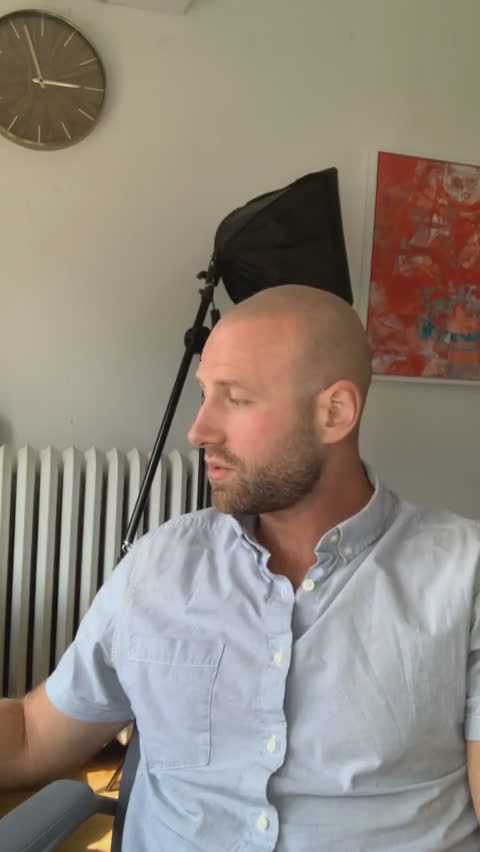
Welcome back to another episode of Mental Health Matters. I'm Evan, your resident mental health and addiction therapist and content creator here at Cadre. So today we have our bi weekly, is that the right word? Episode of ask me anything. So, basically, just any questions you have about addiction and mental health, you all come up with better topics than me. So we have some awesome questions today. So if you're interested, stick around. And there's a diversity of questions about mental health and about addiction related topics.
So here, maybe I could just. We'll just do, like, a little. What am I looking at here? Yeah, so we're just going to do a little overview. So I'm going to hit the questions that we're going to hit today and see if you're interested. So how do I talk to my boss about struggling with anxiety, working from home, and how that could be isolating marijuana's increased risk of psychosis? Difference between a psychiatrist and a psychologist? Yeah, so, a lot. So what up, junk food junkie? How you doing? Yeah, so we have some awesome questions today.
I'm really excited to dive into. So the beacon has gone out, people are hopping in, and hopefully we can get more questions from people jumping in and feedback and all that good stuff. So let's go to this first question. This is an interesting one. So how do I tell my boss that I struggle with anxiety? Now, I don't know if there's a blanket answer here, but I can kind of give you a middle path. So I think it depends on a lot of different factors. Like, what kind of job is it? Like, what kind of relationship do you have with your boss?
Yeah, I mean, I think so. A lot of it, in my mind, will depend on the relationship. Is this person understanding, or is this person kind of hard on all of us? And maybe they don't seem to have a ton of empathy. So I think it would be, like, maybe a bit of a different answer for each of these. So let's say you have a boss that you have a pretty good relationship with, and, you know, they're pretty empathetic. And I guess the question, too, is, you know, why? Why is that something you need to tell them?
You know, is it a specific work duty that is causing anxiety? Have you been struggling to just maybe maintain your duties in general because of anxiety and therefore want them to know kind of what's going on? Yes, that's what I'm saying. Like, definitely depends on the boss. And, yeah, that's what I'm saying. With their level of empathy. So, yes, there's a variety of factors. So I'll just maybe give you a couple general things you could say to them. Let's say situation, the boss is empathetic and, you know, you're struggling to keep up.
So, you know, let's say you pull your boss aside and say something like, look, I know maybe you've noticed that I've been falling behind on a couple of things lately, and, you know, I haven't been maybe maintaining the standard of work which I, which I hold myself to. So I just wanted to be transparent with you that just, there's a lot been going on in my life that I've been struggling with. Things, anxiety in these certain situations. So I just wanted to let you in and know. And then, you know, at the end, probably saying, like, what your plan is.
So what up, Luke? So, like, I think if you're telling your boss, saying, look, like, maybe it's, you need some, look, maybe I need some time off, maybe I need a little bit of help, a little bit of accommodation in the meantime while I sort this out. So that's the question, too, is like, I think it's important for the boss to hear, like, well, what are you gonna do about it, you know, because I don't think it's like, you know, one's boss's responsibility to be, like, managing your anxiety or being, like, your caseworker or something, because work, maybe the, the job needs to get done, you know, and it's important.
And, you know, if you, if you're someone who struggles with anxiety, you know, or any mental health issue, addiction, you know, it is ultimately your responsibility to find a way to address that, you know, so, you know, for yourself and. But I think it's also the right thing to do as a human, you know, to show empathy and accommodation. So I think by actually, by taking that proactive step and having that conversation, that could be really helpful. And the boss may actually ease up a little bit because otherwise they don't know, they just see your work performance is struggling and they're just maybe getting frustrated over time.
But if you acknowledge it, hey, if you call it out, hey, I'm not maybe reaching the stage that I hold myself to that I, you know, when I came on to this position that I agreed to and committed to, you know, I do. And this is my opinion, right. I feel like I do owe it to those around me, maybe even my team members, to say where I'm at. And I think when you do that, most people are more willing to give you accommodation because you took ownership of it and then. Yeah, so saying, here, here's what I'm going to do about it.
You know, I started doing therapy and, hey, maybe my situation is going to be changing because it could be like I'm having anxiety over a family member who's been struggling with this health issue. However, things are starting to get better. And so I think I'll be coming back to my usual self. And then I think the other situation may be is what if you need an accommodation? So then in that case, maybe you could ask for a, quote, reasonable accommodation. Maybe it's a certain work task that's creating a lot of anxiety.
Maybe it's a certain deadline, but asking for what you need, it's like, I'm just asking if it's possible, if I could get another week or two to finish this deadline. I know we need it here, but I promise it'll be good work and it'll ease things up that I can perform and do this for you. Yeah. So Jungkook says from the other spectrum, the boss will need to choose his words carefully because the person could have anxiety but also have depression. Yeah, that's true, too. That's the other question. So let's say you're the boss and somebody comes to you with that.
What's the best way? And it's difficult because, again, every situation is different. You know, I've had people, and maybe if you've been in a leadership position, you know, I was talking to my friend. She worked at, like, she was the manager of Lululemon in San Francisco back in the day. And we were talking about this together, how we maybe had employees who were just, like, kind of chronically struggling for whatever reason. Like, they would, like, always show up late. They would always have an excuse.
They would have, like, maybe emotional issues at work and trouble with. And they were just, like, a constant problem for somebody. Right. And so, like, what do you do in that situation where they're, whatever issues they have going on are affecting you, your work, the performance of the team and everybody there? Because there's always those folks. So, you know, when is it appropriate to have a more direct conversation with that person and still hold them to the standard? Because at some point, if you're, like, being too lenient to a degree and that could have a negative impact and actually hurt a company, maybe not Lululemon.
Oh, here we go. Scanfield. Oh, we got a new person. I haven't met you before, so the more I'm aware of anxiety, explore whether it's valid or not. I see that others are not as hard on me as I am on myself. Asking for feedback is very helpful to see how others really view you. Chronic struggles, like being late or not meeting standards, need resources before they come to you as an employer, in my opinion. Yeah, that's great. That's a really good point. So asking for feedback, sharing where you're at, I mean, those are all in the family of open communication.
So the more communication, the better, because often you may build something up in your head, right? So especially if you're struggling with anxiety. Anxiety is also like, you're often building things up in your head, right. You have an outsized fear. So anxiety is an outsized fear compared to the potential for harm. And so they're probably going to be some anxiety there, too, about having that conversation. That's often going to probably, probably go better if you approach it in the right way, if you have the right intentions and use some proper communication.
But I do think maybe some would. I don't know if they disagree or not, but I think a pretty balanced approach to say is it is your responsibility as well to talk to your boss about how you're going to address this issue that you're having not going to impact your work. And that could even mean be taking time off, right? I mean, it could be that far. It could be, you know, I work with a lot of clients who, like, let's say with addiction, need to go to treatment. So how do you have that conversation of, like, I may need to take three months off.
Right. So that could be even more difficult conversation. But we could go down some wormholes with that, rabbit holes with that. But yes, I think open communication and is better than just, like, keeping it to yourself and then people wondering, you know, or thinking that, like, you know, thinking malice, like you're just. You don't care or that you're not following through with your responsibilities or you're just being inconsiderate of others. You know, I think it's erring on that side. Is going to be.
Is going to be, you know, advantageous. So next question. Working from home is isolating me. I now get anxiety around other people in normal conversations. What do I do? So, yeah, I mean, so a lot of us since 2020 have been in this position. Time off sounds great, right? We could all use a little time off, and it may even mean doing, like, a couple days off. Maybe that could be helpful for you. So knowing what's going to help you get back on track to where. Where you need to be, but yeah. So since 2020, a lot of us have had to adjust.
A lot of us work has gone remote, either forcefully now, a lot of those companies were coming back to in person. Some companies are requiring it, others are just like, nah, that's fine, you could stay home. And so there are a ton of benefits to working from home and for your mental health. Maybe you have more time with your family, more flexibility, but at the same time, you know, lines start to get blurred and you know, you're spending time at home, but then in your off hours, now you're home anyways, right?
So you're, so it can feel either isolating or you're not around co workers, you don't have that same amount of social connection and then you're just kind of trapped in this and you feel trapped in this environment. So, you know, I'm someone in this situation too. I mean, I certainly could go back to the office. I just like haven't because I actually enjoy working from home. But yeah, there is that element. So sometimes, you know, here's some just like potential solutions, you know, having maybe scheduling more meetings or co working sessions.
So sometimes I'll do that where like me and my admin team will just kind of work together. You know, we may not be interacting the whole time, but we'll have like our video on and like we'll hop back in and out if we have a call and just hang out and have some socialization time. Sometimes I'll co work with friends who also work from home. We'll get together and they'll be in one room, I'll be in the other and grab lunch. The only thing with that is you have to have some boundaries because you're always shooting the s*** and stuff.
My friends would be like, all right, for 1 hour, I'm going to do my stuff, you're going to do your stuff, and then we'll come back and have a little coffee break, and then we'll go back and then we're gonna go get lunch. So it's important to have like some boundaries if you actually like, want to be productive. So we talked about in the past how working from home is not good for the social bees that like the work environment. So, yeah, so these are just, you know, some potential solutions, right?
And maybe if you have the option to go to the office doing it, you know, you know, sometimes a lot of these situations, corporate, whatever, have the office there and maybe just like committing to, even though it could be difficult because you're like, I don't want to like, go. But sometimes if, you know, that's needed to go, like, once or twice a week and connect, you know, that could be an option. I think, too. Like, I try to just get out of the house and try to maybe spend a couple hours, if I can, at the coffee shop, you know, then the more you go, you start to meet people.
So, like, my coffee shop, like, I'll often know some of the people. And even just being around people without saying anything, sometimes it's just, you know, getting out of that stifling environment. I think at home, too, it's important if you can, to have, like, a home office. So, like, I really like working. Like, I just really like my office here, and I just feel more productive, you know, I have a nice little view of the street. People walking by with their little dogs. I got a little dog parade.
I put a bird feeder in a bird bath. So I have all these birds. So I get, like, a little background, a little screensaver. I call it little birdies and stuff like that.
Reactions and comments are for members. Joining is free and takes a minute.