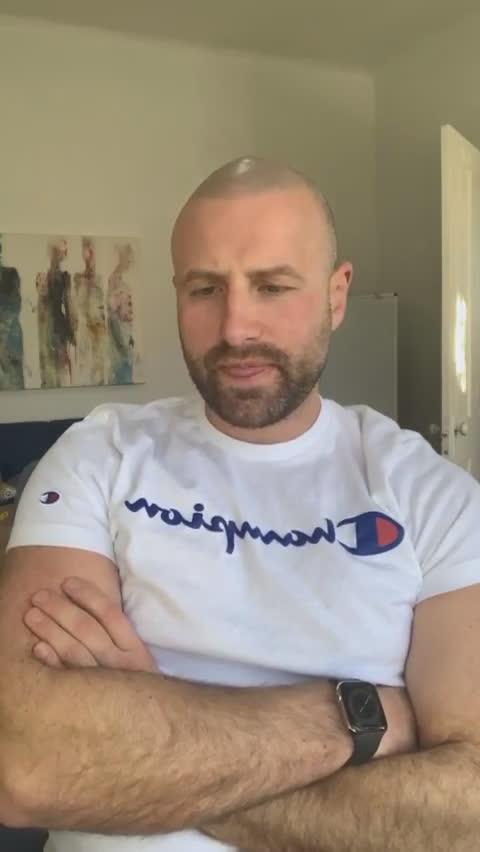
Today we are doing another episode of Mental Health Matters, except you bring the topics for me to answer. This usually makes for a lively and fun conversation, so come join and contribute your questions or experiences. Feel free to put any questions in advance on the community feed and tag me whether you are joining live or watching later.
Evan: In this live stream, we talk about matters regarding mental health and addiction. Every other week, I like to do an ask me anything episode. You can always go into the community feed and ask me a question.
addiction therapists have a bias because we only really see the bad. Not all drugs are created equally. Not every person is necessarily susceptible to every substance. To me, mushrooms are a naturally occurring substance, and it's the psilocybin that creates this hallucinogenic effect.
An addiction counselor did microdosing for a month. It was amazing to find relief in a slight change of mind. People are starting to use it in a different way. It really distorts things to a point where you may be able to function a little bit. But a bad trip could actually have lasting damage.
Is what about if you have an addiction? Is this a good idea? Right. I think intention matters. If you have the right mindset, you can do it safely. But over a long period of time for that to be your drug of choice is very rare.
What's up, folks? Welcome back to mental health matters. I'm Evan, your resident mental health and addiction therapist. And in this live stream, we talk about matters regarding mental health and addiction. And because mental health and addiction is important, double entendre there. So every other week, I like to do an ask me anything episode where I basically just answer all of your questions for those who are coming into the live stream. So we'll see if we get some folks working their way in. Also, remember, you can always go into the community feed and ask me a question.
You could tag me there or go to one of my videos and comment. I usually get notifications there, too. So if you have any questions at this point, I will for sure answer them, as long as they're relevant to addiction and mental health. So go ahead and do that. Reach out if you have a question. Otherwise, I have some questions from last time, you know, over the last week that I've gotten, and I will go ahead and answer them. I'll see if folks join in. So the first one, I'll just jump into this. So my opinion on mushrooms.
So I'm an addiction therapist, right. And when we think of addiction therapists, traditionally, we've been typically more, let's just say, cautious on whether or not folks should be using drugs, alcohol. And I think we have a bias as addiction therapists because we are. We only really see the bad. No one's really coming to treatment, rehab, therapy for substance use, and talking about how good it's made their life, particularly. So I think we tend to have a skewed view. Most of us, and a lot of us, too, have been through it as well.
And we've had our own experiences with addiction. So we've seen firsthand, you know, what drugs could do. But here's the thing. Not all drugs are created equally. Not all drugs have the same potential for harm, and not every person is necessarily susceptible to every substance. So in this case with mushrooms, let's just talk about what those are. Psilocybin, right. Is the chemical kind compound of that creates the effect of giving you sort of, you know, it'd be in the category of a hallucinogen, something like acid, ayahuasca.
I mean, there's just peyote, mescaline, right? There's these different, you think of maybe the sixties and the seventies and hippies and free love and expansion, expanding your mind and that kind of thing. So mushrooms was a big part of that. I think it originated out of Mexico. This was like kind of a cultural practice in one area, and some hippies got ahold of it, figured it out, and then it spread from there. But, yeah, so these are. So mushrooms are a naturally occurring substance. I'm pretty sure they're grown off of, like, cow dung.
You know, they grow, it grows in certain environments. They don't have the best taste to them, I'll admit that. To me, it's a naturally occurring substance, and it's the psilocybin that creates this hallucinogenic effect. And, I mean, probably the best way to describe the effect for people. I mean, it can give you, like, a euphoric type feeling. It gives you, like, a feeling of, like, connectedness to, towards other people. It kind of removes your ego a bit. Oh, what's up, Scanfield? Okay, so let's hear.
We'll pause here. So I'm an addiction counselor, was out of practice for seven years. Spiraled through depression, suicidal ideation. I tried talk therapy, medication, did microdosing for a month, and it was amazing to find relief in a slight change of mind. I've since had a dream of helping people in this way. And I'm researching, oh, that's super cool. And I think the awesome thing is that we are having more research that's coming out about this and it's becoming more accepted because there's a lot of good research on it.
So how did that work for you? Did you still continue to do that? Like, do you just did it for, I guess you said it was one month and was there, like, therapy stuff you did with that, or is that something you're going to do again? Like, how did that work and how did, how did you decide to do it for a month and the dose? I'm just curious how, like, any guidance you got on it or you just kind of did some research yourself? But, yeah, we'll get into that for sure. And maybe you could tell me, I'm asking you for a lot, but if you could tell me your experience of what it felt like.
So I'm just doing my best to describe what mushrooms feel like. I have done them. Yeah. So, I mean, sometimes you can get some, like, visual distortions. I mean, it's not like maybe in the movies where you're gonna see, like, a pink dragon who's going to come, like, start talking to you or anything like that, but it kind of distorts things visually. It just really puts you in a different frame of mind and you really look at things in a different way. So a lot of times people have very profound experiences because you see things from a different way.
You see yourself in a different light. You could often draw certain insights. It kind of alters what you think is important. And so sometimes for folks like those things that we really grasp onto tight, you know, those things that we grasp onto tight, our status, you know, the clothing we wear, what we're trying to portray, it just doesn't seem to matter in the same way it tends to you kind of be. You're like kind be of more connected on a deeper level with others, with your environment. That's, I guess, like the separation between you and everything else starts to go away.
You start to see yourself maybe more as part of something bigger. Right. So you said you did see slight distortions and then tone the dose back. So typically when people would use mushrooms, right, you would take not a micro dose, just a dose, right. A handful, 8th grade. I don't know what the dosing would be exactly, but it's like a handful mouthful or two and wait about an hour or so and starts to kick in. So then you would have this really big experience where you're tripping, as they would say.
People are starting to use it in a different way. Like our friend here where you take it in very, very small doses so enough that you can, like, actually just like, interact. Because, like, when you're on mushrooms, like, it really distorts things to a point where, like, you may be able to function a little bit, but, like, going to the grocery store to, like, buy a drink is like an epic adventure. You know, it's like basically something out of Lord of the Rings because you're like, I want to say it makes you dumb, but it just alters the way you think of things.
So figuring out how to use a radio is very difficult. So going to the grocery store to buy a drink would be an absolute epic undertaking. If you're really tripping hard when you're taking a microdose, you know, the idea is that you're just taking enough to get that little bit of euphoria, a little bit mood boost, and that you get some of those effects in a way where it's not like a massive disruption for 5 hours, where you're like, pretty useless other than just like being able to enjoy the experience.
And so some of the downsides, I guess I usually find, like, certain people, certain personalities often, often people have, like, certain types of anxiety, don't often do well taking large doses, you know, to, like, trip a tripping dose, let's call it, you know, they could have a bad trip. I think mushrooms compared to some of the others, you're like, less likely versus, like, if you take too much acid or something like that, where people could have, like, really bad trips and it could actually have a really have lasting damage.
I don't think I've really seen that with mushrooms, someone having such a bad trip that, you know, it really has a lasting negative impact on them and their mental health. But, yeah, so you could, you know, some people have, like, a bad experience, a bad trip. I think sometimes it's an environment, like, if you're gonna do it to that level, you probably want to do it, like, again, I'm not recommending doing illegal things, but, like, if you are to do it, you know, you don't want to be somewhere in, like, the middle of a city that would just be, like, overwhelming, and you just feel really weird.
You know, it's like you want to be in a calm environment, camping in the woods, on the beach. You have some more in nature somewhere, like, more connected. Otherwise, it's just going to be this really alarming experience and definitely overwhelming. So there's some, like, downsides when people do it like that. But, yeah, I guess people do get something out of that and there should definitely be some more research coming out on that. And I think the question isn't, like, is it effective? But, like, how is it effective?
Is it in a micro dose? Is it actually doing a bigger dose? Like, with doing therapy at the same time, like, for PTSD, I think one thing where it has shown a lot of benefit is application on folks who are in the death and dying process. Like folks in hospice tend to have really profound experiences on it and really eases that anxiety towards end of life. So that's been an application. Like, when I heard that, I'm like, oh, that makes a lot of sense given my experience and what I felt on it. That feeling of interconnectedness with everything else, this feeling of being part of something bigger kind of eases that anxiety around, like, poof, you know, I'm gone, you know, I don't know.
So I think there's some definite promise with it, you know? Okay. So being as I'm an addiction counselor, right. And it'd be interesting to hear your experience, too. Is what about if you have an addiction? Is this a good idea? Right. Because for folks who say, are in, like, sustained recovery, who are full on sober, we're told to use drugs or alcohol is a relapse. And that makes sense much of the time, especially if you're taking an abstinence based approach. So, but then does that mean you can't get these benefits of some of these psychogenic psychedelic substances?
Because that would throw you into a relapse of your drug of choice or something else. And I'm kind of of a mixed mind on this. I mean, I think, I guess just to whittle it down, I think if you are someone who's in, like, long term sustained recovery, you're like ultimately in a good place. You're engaged in your recovery, you know that, doing it in like a controlled environment, like with a therapist, like having a very specific point and a boundary around it. Like, okay, I'm going to do it with this therapist or in this like, maybe like a therapist, you know, but like in a retreat set, like something very.
And have a very specific purpose for doing it and only maybe doing it once or say once every five years. I don't know that maybe that would be fine. And I have seen people do that, people in recovery who have been able to open, loosen their boundaries a bit to take in this psychoactive substance, but do it. So I think intention matters. I think it's in the same way where it's like, well, what if you're a heroin addict and you have to have surgery so now you're actually doing your drug of choice?
And people get through that because of their intention to use it for the actual intended purpose, not just like for fun or to, like, numb your emotional pain. That's where people fall into it. So I think if you have the right mindset, you can do it safely. I mean, theoretically, and I've seen people do it. So you said, I've had clients that flat up, say mushrooms are a problem for them. I think the key is guidance, connection, awareness. Yeah, I agree with that for sure. I haven't run into too many people, though, who have been like, I have a problem with mushrooms.
I mean, you see it sometimes. You have seen people who have struggled with hallucinogens. It's like a very specific type of person sometimes with like, like MDMA, but it's very rare. It really is rare. I mean, the data would show this for someone to, like, ever be an inpatient or even outpatient treatment with their drug of choice being hallucinogen. Sometimes you'll see this with, like, teenagers. You know, they're just like, getting in trouble all the time and they're like, misguided and they're like, doing acid, you know, so they end up in treatment.
Cause they're just kind of dysfunctional. But like, over a long period of time for that to be your drug of choice. It's like really very rare, but it does seem to happen. And I wonder too, with this increase in micro dosing, if that would become more common in a way, because I think one of the reasons why hallucinogens tend not to be one's drug of choice is that it's like very intense. You're completely out of reality for like hours at a time, and then you kind of come down off of it and it's just like, it's a little bit of a drain on your body in a way, and on your mind.
And so same thing with like, with ecstasy, MDMA. One of the reasons why people, I mean, you kind of have these like ravers who have trouble, whatever, but like, why it's not really so sustainable is because it's really intense. But then the rebound effect is really intense, too. And apparently the more you do things like MDMA, the less it works. It's just like kind of draining your, your storages of these, like happy chemicals. So if you keep doing it, it just, it's not, it's not sustainable whatsoever and it's not really pleasurable.
So it's kind of like the less you do it, the better it is. And I guess you could say that for any drug with like a withdrawal and, you know, withdrawal cycle, and it's a tolerance cycle where you build a tolerance. But for something with hallucinogens, it's, I think it's just too dysregulating and doesn't give you the pleasure in that same way. It's like some drugs bring you up, some drugs bring you down, and others send you sideways, and these things kind of send you sideways. You could have that stimulating effect from mushrooms or MDMA.
You do have a stimulating effect in some ways. So, yeah, mushrooms. So I'd say of the hallucinogenic drugs, I think mushrooms, psilocybin would be among the safest. So you have others like, you maybe hear a lot more about things like ayahuasca. That's a really big one now, where people go to South America and take this plant. I mean, these are things that will, like, throw you into an absolutely dysregulated trip for, I think, like days, let's just say 24 hours, 48 hours, where you are, like, it is intense.
And I mean, there's like, you have like absolute hallucinations and like, people who take it, it's like, it's not for the faint of heart. Like, it is a very intense experience. It's not like you're going to use that, go around using that every day. So it's just a different type of experience. And mushrooms you're not really gonna have. You'll have like you could take a lot, have an intense experience for about five, 6 hours or something and then kind of slowly come back to normal. And you kind of have these residual effects for like quite a while.
But it's not the same as like taking something like, as intense. So maybe taking a little bit of mushrooms or microdosing would be like your training wheels if you're gonna do it. But I really like what you had to say where it's intention, guidance, connection, awareness. I mean, these are some of the key things that if you want to have a good experience with these to do, you don't want to just like kind of go do it on your own willy nilly. Definitely having that guidance and a good intention with it.
But I don't know, maybe we should just leave it there. Just do one topic. We went pretty deep into it and I think this is interesting. Whether you're interested in addiction, mental health, whatever. I mean, I think this is something that maybe could, would, should be of interest to folks because it is pretty fascinating and it could be very powerful again if done correctly. So thank you for participating. And remember, if you have any questions you want me to answer, put it in the community feed, tag me in one of my videos or just comment.
Ask me a question. I will answer it on the next episode in two weeks time. Alright folks, it's been awesome. Hope you got something out of that. I'll talk to you all later.
Reactions and comments are for members. Joining is free and takes a minute.