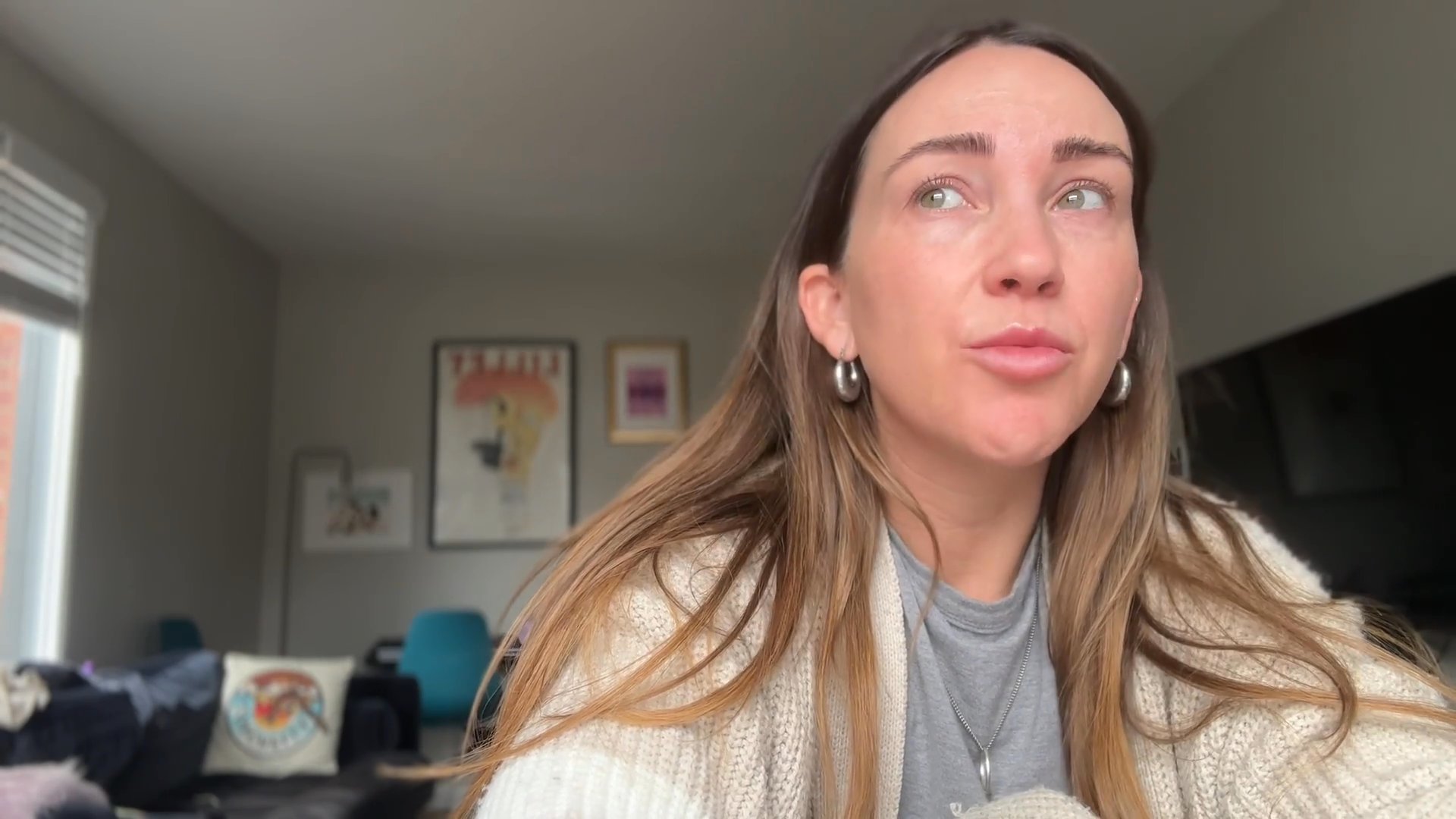
If you know someone who struggles with food and body, are a teacher or work with adolescents, a parent, or perhaps struggling yourself, these are three ways to talk to someone who is struggling with an eating disorder. This is based on my personal experience with an eating disorder and recovery, always consult with a medical professional if you have concerns about a loved one or yourself.
Rachel Havocost is a writer at mental health Advocate. She's been through eating disorder recovery twice and has been in therapy for 19 years. Her first suggestion for talking to someone who's struggling with an eating disorder is to ask them about their emotional world. Ask them how you can be an active role in their recovery.
How do I talk to someone who's struggling with an eating disorder? This is a question I get asked a lot as someone who's been through eating disorder recovery twice and has been in therapy for 19 years for my own mental health. And I think it's a really great question. If you're new here, my name is Rachel Havocost. I'm a writer at mental health Advocate. I've been in therapy for 19 years for my own mental health, and I'm on a mission to just help one person feel less alone. I first want to say that there's not going to be a clear indication if someone is struggling with an eating disorder.
There might be certain signs that. I have another video on, signs that you might struggling with an eating disorder, that it's time to reach out for support. And I want to be really mindful and say that it's not always physical. I think we have this idea that eating disorders look a certain way, and that if someone's body looks a certain way, then therefore they must be struggling with an eating disorder. And that's not always the case. And so I think it's really important when we talk to someone who we think is struggling or know is struggling, that we actually don't.
We don't look at it through the lens of body or shape because it reinforces this idea that eating disorders look a certain way. And it reinforces this idea that unless I look that way, I'm not sick enough and I can't seek support. The reality is that the majority of people who struggle with eating disorders don't look the way that we have been shown that they look in media, and that creates a lot of internal dysmorphia and shame. My puppy Milo is doing a little shake. And so I think it's really important that we are mindful about how we approach people when we talk about eating disorders.
My first suggestion for talking to someone who's struggling with an eating disorder is to ask them about their emotional world. Check in and ask about their stress levels. Ask about what's happening at home. Ask them what's going on in their life the way you would with someone that you know is experiencing a lot of stressors. So treat the person like a human experiencing an emotional world and a relational world, rather than a person experiencing food or body issues. The second thing is to express concern.
If this is someone that you have a good relationship with, that you are comfortable talking to and you know is struggling with something, let them know that you're concerned. Let them know that you care about them and that you love them and that. And that you really want them to be well. And so I think sometimes we're afraid of expressing concern because we're worried that we're making it about us. And I think that there are ways to be tactful and mindful of how we talk to someone about our concerns and our love for them without making it about our experiences.
So by sitting with someone and saying, these are all the things I love about you. These are all the things that I think you bring value to in the world. These are the reasons why I think you're so worthy of love and support and care. And because of those things, I'm worried. And I would love for you to get support because I want you to be well. The third thing is, if you have a relationship with someone, whether it's a friendship or a romantic relationship or it's a family member who you know is actively in recovery or working through their eating disorder, is to let them know that you want to be on their support team.
Let them know that you want to be an active role in their recovery and ask them to share with you what are some of the tools or skills they're practicing, what are some signs to look out for that maybe they're struggling a little bit more? I have another video outlining the red light, yellow light, green light tool, which is a really great tool for folks who've been through recovery and are kind of trying to navigate relapse or symptoms afterwards. Ask them how you can be an active role in their recovery so that there's open dialogue and there's ask them how you can be an active role in their recovery so that they feel safe to talk to you about things that maybe they're nervous about or feel ashamed about.
If you or someone you know has struggled with disordered eating, please know that you're not alone and support is out there. I'm always happy to talk more, so please feel free to leave me a comment and I will happily respond and do my best to support you. Thanks for being here.
Reactions and comments are for members. Joining is free and takes a minute.