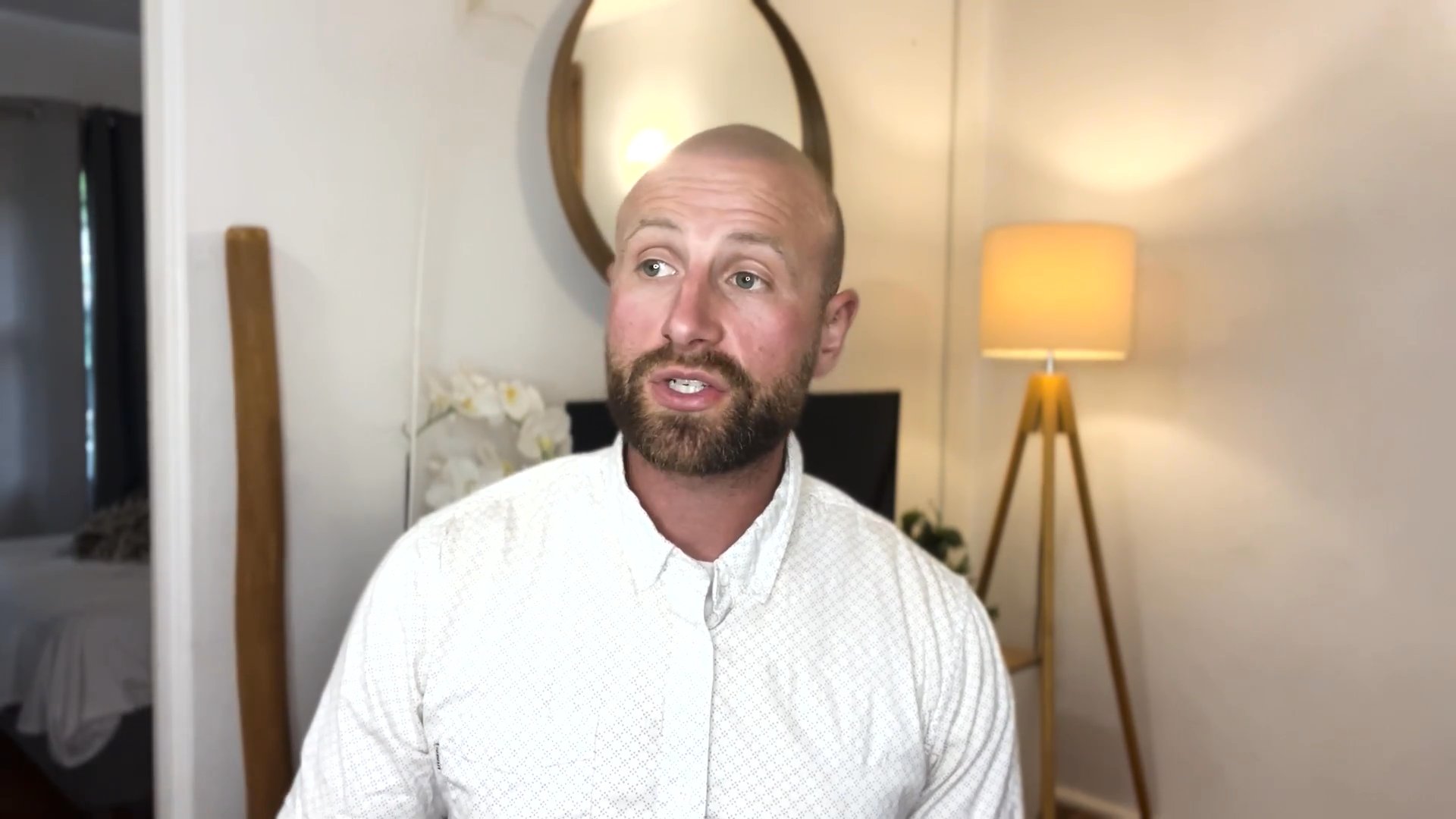
In the latest episode of the Addiction Masterclass series, Evan Lieberman, MSW LICSW LADC, unveils the intricate science behind habit formation. With a special focus on "the habit loop" – a core neurological pattern that governs much of our behavior – he sheds light on how our daily routines and actions are more deeply rooted in our brains than we often realize. Dive into this enlightening discussion to discover the mechanisms that drive our habitual behaviors and the science that underpins them.
In my addiction masterclass, I'm going to teach you those three variables and how you can apply them to make any change in your life. Whether it's alcohol or heroin, the recovery rates are relatively low. But there are things we could do to increase our chances.
As a therapist, I work with individuals to increase their motivation for making a change. Having a plan before do something challenging, no matter what it is, is crucial. Tripod makes a difference between being successful and relapsing.
The individuals who make a firm commitment are more likely to sustain a behavior change. Making a commitment is a great first step to making the initial change. Stay tuned for the next video. We're going to be talking about how substance use disorders are diagnosed.
After working with literally thousands of people struggling with addictions, I noticed that the people who were successful followed three certain principles. And today in this video, in my addiction masterclass, I'm going to teach you those three variables and how you can apply them to make any change in your life. I find that most people have an intuitive understanding that quitting any kind of substance is difficult. Whether it's alcohol or heroin, the recovery rates are relatively low. But that doesn't mean that it's hopeless, because when it comes to the individual, statistics don't matter, because one individual may not do anything for the recovery or find any other replacement behaviors that are healthy.
While someone who does or they take a more strategic method, their recovery rates may be 50, 60, or 70% compared to ten. So we don't want to get bogged down in the statistics. Also, when you compare recovery rates of addiction to other diseases like heart disease or diabetes, the recovery rates are very similar because they all require one thing in common, and that is behavioral change. But again, we're not victims to our circumstances. There are things we could do to increase our chances, and that's what this video is all about, using what I call the habit tripod.
I find it quite ironic that sitting right behind me is a tripod. I just noticed this three legs with something beautiful on top of it, light. And we're going to talk about the three variables that make up the tripod. And the first one is motivation. The second is a plan, and the third is having other people involved through support and accountability. Now, let's go ahead and talk about the first leg of the habit tripod, and that is motivation. Now, this may seem obvious, of course you need to be motivated to make a change.
But motivation is not black and white. It is not just I want to, or I don't want to. Our motivation changes on a daily basis. For example, if I'm craving a cigarette, my motivation to quit may not be super high because I really want that cigarette in that moment. Or on the opposite end, let's say I get a DUI from drinking too much alcohol and driving that next morning. When I wake up with a hangover and seeing the consequences right in front of me, my motivation may be extremely high. So what can we do about it?
Is motivation just something that's there or it's not necessarily? As a therapist, one of the primary things I do is work with individuals to increase their motivation for making a change. One of the ways I do that is, essentially, I have people talk about it or write it down. They don't have to wait to get a DUI. They can remember the time they did or notice the fear they have of other consequences coming. So thinking about all the downsides of doing that behavior and all the consequences that have come and will come in that moment can increase their motivation.
So the more you think about it, the more you talk about it, the more you work it out with others, you may get your motivation to that point. That's just enough that you're ready to take the difficult step, which is initiating the change, quitting the substance or the behavior and starting a new one. Having a plan before do something challenging, no matter what it is, is crucial. Whether it's the big basketball game, a boxing match, or actually going into battle, you want to go in knowing what could potentially happen and what your plan is.
Because when you're in the heat of the moment, it's really hard to think. And in this case, the heat of the moment is when you're having a craving to use. It's hard to think clearly. So having a plan on what to do when times are tough and knowing what the difficult situations are going to be, and knowing what you're going to do, thinking about it, even practicing it, having a plan is critical to making change easier. Now, a really good example of a plan would be someone who's trying to eat out less.
They want to save money, they want to be healthier. But if they say, okay, I'm just going to go ahead and cook more, but they don't do anything. They don't plan how they're going to do it when they're in the moment. For example, they get off of work, they're tired, they're hungry, and they don't have the motivation to cook, because in order to cook, they'd have to go to the grocery store, they'd have to find the supplies they needed to cook or find a recipe that is overwhelming in the moment. So the plan is all about being prepared.
So in this case, I would work with an individual to be sure they had the supplies first. They come up with five or ten recipes that sound good to them, that they know they could do. Then they go to the grocery store once a week, they get all those supplies they need. So that way when they get home, they have everything right in front of them. They don't have to think about anything. They have the recipes, they have the cookware, they have the food. And that process that would normally take 2 hours, they.
They've already thought it through, and it may only take 45 minutes. So this is why having a plan, no matter what your behavior changes. In this case, let's say, for addiction, knowing what meetings you're going to go to when you get out of treatment, knowing who your sponsor is going to be, knowing where you're going to be living, having a safe, sober living environment, having replacement behaviors when you're going to have cravings, knowing who you could call when the going gets tough. These are some of the reasons why a plan is so crucial and really makes a difference between being successful and relapsing the last leg of the habit.
Tripod is letting other people in. And I used to just call this accountability because accountability from other people is so crucial for behavior change because it really increases the odds. However, I left out a huge half of that, which is bringing other people in for support. So let's break these two things down. First, when it comes to accountability, like I just mentioned, your odds go through the roof. The more accountability you have. Now, a more extreme example that's actually quite common as individuals who are involved in impaired professional programs, whether they're a medical professional or truck driver, someone who really should not be intoxicated on the job, or it could be really detrimental if they are distracted with substance use, if they, let's say, get caught, or they have to self report going to treatment, they're often involved in these programs that are meant to be helpful.
Sometimes they could be a little bit invasive and really involved in the person's life to a high degree that they probably don't want. However, these individuals are much more likely to stay sober. Here's why. Now, let's say you have a doctor that got caught drinking on the job. God forbid this individual will be enrolled in the program. Maybe they get drug tested. Maybe they get breathalyzed. Their employer has to fill out reports they have to go to treatment. This individual is more likely to stay sober because their job is tied to it.
So if they use, they will lose their whole career. There's a lot on the line now. They probably don't want this to be the case. They don't want to be at risk of losing their job. However, this is the circumstance they're in now. There may be other circumstances where you're able to let others in and not have it be connected to your job. Like you can make a bet with your friend to say, look, if I don't quit smoking in one month, I'll give you $100. Now, that may not make a huge difference in your mind, but it's something like that.
That could help motivate you. Sometimes it's social pressure. By just telling people you're going to make the change, you're not going to want to face them if you don't do it. Now, we don't want this to be all about punishment. Accountability can be a positive thing. It's like having a gym buddy where you guys hold each other accountable to go workout together Monday, Wednesday and Friday, or you work out separately. But having that accountability could really make a difference. Now, when it comes to support, this is one of the most crucial things you can have when making a behavior change.
Someone you could call, someone you can open up to when times are tough, when you're emotionally struggling. Because when it comes to addiction, that's for sure going to happen. It can be an emotional rollercoaster. And this is one of the reasons why people frequently relapse and why in something, let's say a twelve step program, they say it is so crucial to have a bunch of phone numbers, to have a sponsor, to have someone you could call. Because by doing that, by letting that stress and emotion out, by letting someone else come in to support you, that can make a difference in what I would call a critical moment.
A time where you may go to the liquor store or not, you may call your drug dealer or not. It's 50 50. It's a flip of the coin whether or not you give in to that craving. But picking up the phone, calling someone, or having a therapist that could help you through those times will make such a big difference. So be sure whether it's accountability or emotional support to let as many people in that you trust that you possibly can. Now, working with people, making changes, and applying this habit tripod model, I noticed after time that there's actually a fourth variable.
Now the question was, do I change it from the habit tripod to, let's say, the four legged habit table? But no. Remember, something always sits upon a tripod, whether it's a camera or in this case, a beautiful light. So the fourth variable I found that sits on top of the tripod is the individuals who make a firm commitment are more likely to sustain a behavior change. And here's why. Making a commitment is a great first step to making the initial change. Whether it's the first day you go without smoking a cigarette, this is going to be one of the hardest times.
So it's really easy to fall back if you only go in half step. If you only put about half a quarter, even sometimes 90% of the effort may not be enough. So before going into that change, you have to make a commitment to yourself that I'm going to give this my all. I can't predict whether I'm going to be successful or not. I can't always predict the outcome. But if I make a commitment to give it my all, to follow my plan, to maintain my motivation, to have accountability, to reach out to my support network when times are tough, when I make that commitment to myself and others, this can make all the difference.
So before going in, make a commitment, tell yourself in your mind, ask if you're spiritual, ask your higher power for help, or maybe just write it down. Make that commitment to yourself. It doesn't matter who that is, but putting thought and energy into that commitment will make it so much easier when times are tough. Well, I hope you found that video helpful. I want you to go back, watch it and really internalize the importance of each one of those variables and think about if you're going to make that change or you know, someone who's going to make that change, helping them fill in those gaps, to have all of those individual elements in place before making the change and to maintain them while you are the best chance of sustaining any healthy habit or routine that you implement into your life.
So stay tuned for the next video. We're going to be talking about how substance use disorders are diagnosed and what the difference is between maybe just drinking in a problematic way and having a more in depth addiction that may actually be a disease. So you don't want to miss it. Go watch it.
Reactions and comments are for members. Joining is free and takes a minute.