Join me every Sunday evening to set the tone for the upcoming week, with stories that bring out the serenity inside all of us!
Jason Lennox is your resident recovery champion. He talks about all things recovery, wellness, mental health and improving as a human being. Grateful if you're here joining now.
Today I want to talk a little bit about the power of responsibility. It is a huge component of what I do. First is on a personal level for things that maybe aren't working for me. Second is on more global level and the greater good.
The government is trying to implement a regulation that would essentially have providers who would do assessments, help those people within five days. Luke: We don't get to neglect our own responsibility by way of pointing out others in the way they neglect responsibility.
Sherry Clarke: Taking responsibility can give us a level of freedom from pain and suffering. Clarke: We need to be the solution, not contribute to the problem. She urges people to think about how they can make a real difference in the world.
Think about responsibility as you go throughout the week. And we'll see you back here next Sunday. Have a great Sunday.
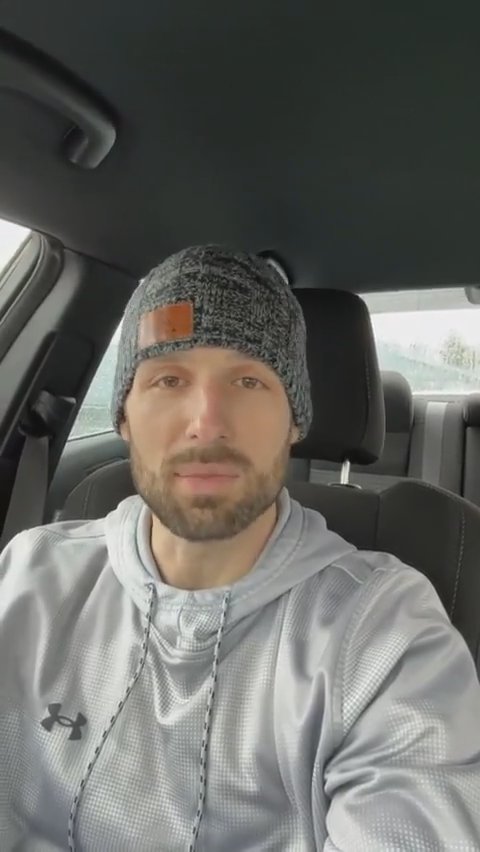
Good Sunday afternoon, Cadre family. Hey, thanks for the flexibility here as I had to shift today a little bit. I'm with family. I'm out on the east coast. A little bit dreary here, raining, kind of snowing, just interesting weather we're having. But grateful if you're here joining now. Grateful if you'll be watching this later. My name is Jason Lennox and I am your resident recovery champion. I love to talk about all things recovery, wellness, mental health and just improving as a human being. So today I want to talk a little bit about the power of responsibility, and I refer to and claim and talk about responsibility a lot.
It is a huge component of what I do, of what I teach and what I share about. And I want to break responsibility up into really two things, at least for the purpose of this talk. Hi, speak wonder. Good to see you here Sunday afternoon. Hi, Anna. Good to see you. But here they're coming in. Sherry, great to see you all. So recovery, two mechanisms that responsibility can actually be utilized through, at least for me. And what I'm talking about here, first is on a personal level for things that maybe aren't working for me, but second is on a more global level and the greater good.
So I'm going to break those out, give you a couple examples and share just a little bit. And as you think about things, drop them into the comments and we'll chit chat. But personal responsibility, usually for me, it happens in the way of something isn't working. And so my life before I found recovery was not working. I was not in a good place. I was not treating people well. I was really, really sick and doing a lot of things that I regretted. And I was constantly pushing that to other people through blame, through pointing the fingers, and never really willing to own where I was.
And my part in that very common across all people who find themselves struggling with those kinds of things. So not unusual to probably many of you watching, but I had to come to a point, and usually it's preceded by some level of pain or some kind of significant event that put me in a position to take responsibility for where I was. And for me, that was in a jail cell. I don't know if I can even claim full responsibility, taking full responsibility because I just wanted to be out of that pain. But nonetheless, it caused me to pick up the phone and I called the assessor who got me into treatment.
So that was an example of personal responsibility. And then, of course, I had to do many other things, clean up my past and do all kinds of things that made what wasn't working workable again. So that's on a personal level, and again, that's usually preceded by some level of pain, but that's taking responsibility at the individual level, and again, usually coming out of something that isn't working. The second component of responsibility that I like to talk about and think about today is responsibility for the greater good, for everyone, for our society, for the people in my life, not just for Jason Lennox anymore, but who can I take responsibility for?
And I want to clarify something. When I think about responsibility, I look at it this way. I've worked in programs, and I've inherited departments and divisions that were an absolute mess. I didn't have to take responsibility for everything that led up to that point, but I had to take responsibility for where we were at that point because that's what I signed up for. That was my job, to take ownership of a function, of a department, of a team, and try to make it better. And so I want to make that distinction because I think that's why we like to shy away from responsibility so much as humans, because I don't want to be attached to all the things that I didn't really have control over.
Okay, well, that's fine. Let's just talk about in this moment. So responsibility for the greater good, and I love doing that. I want to share a little story here. Good afternoon, Luke. Good to see you here, as always. You'll appreciate this. I want to share a little story. I'm in a meeting this past week, and there was talk about the government. I work in substance use disorder treatment, working with providers in many capacities. And the government is trying to implement a regulation that would essentially have providers who would do assessments, who would look at where do people belong in treatment, help those people within five days.
And if you can't do that within five days, then you should pass them on to someone. So that's a requirement. And normally, I'm strongly opposed to government really regulating and just adding more requirements because there are so many if you're in the space, you know, but this one I didn't disagree with, and I didn't disagree with it, because if we know that the difference between someone saying yes and no to treatment and to getting help is sometimes hours, let alone days, and so we as providers ought to take responsibility and say, yeah, if we can't help someone in five days, I would actually make that number smaller.
But I can agree to, if we can't help someone in five days, someone else should help them. I should find a place that will help them. And so there was a, you know, I was not opposed to that, but, you know, the provider base in general was. And, you know, they said, well, the government, you know, we want them to move faster in this way, and so we shouldn't have to move to five days if they're not going to. That's essentially what the argument was. My response, as we continue to communicate beyond, was we don't get to neglect our own responsibility by way of pointing out others in the way they neglect responsibility.
So in other words, just because the government isn't willing to budge or something in an area that we think they should doesn't mean that I get to say, no, we shouldn't take responsibility as a provider base. And so that's just one example. And I talked a little bit about the personal level, and what that does is usually gets me out of pain. But thinking about that conversation I was in and thinking about what I get to do in this space, stand in the middle of the insurers, the regulators, the lawmakers, the government and the providers and just say, how can we do better?
How can we help more people? That's my life's mission. And taking that level of responsibility on it doesn't really remove me from any pain, though it probably prevents a lot of it because I'm not busy doing things that would create pain. But what it does is it gives me a level of joy and satisfaction. So responsibility can give us a level of freedom from pain and suffering. It can also give us a level of joy and satisfaction by saying, I'm here at the table. I have a seat here to make a real difference in this world and to show up and take responsibility where we're not normally accustomed to doing so to say, you know what?
I didn't know that all 250,000 people who died from addiction or alcoholism last year. But I'm willing to stand in the middle and say, you know what? We all have a say in this, and we all have, we all play a factor in this. And I'm willing to say, how can I do better? How can I take responsibility for those lives that we've lost and try to make it not so much in the future? And, you know, that's, again, a level of joy and satisfaction that I don't think I can find anywhere else. And, yes, sherry, we need to be the solution, not contribute to the problem.
So we need to take responsibility. And again, it doesn't always feel good. There's sometimes a negative association with that word, because, again, it's like, what do I have to take responsibility for in the past and how we got here? And it's just a scary thing. But there's a level of freedom, in my experience, that comes with taking personal responsibility and clearing up the pain and being free to kind of go out. But then a level of global responsibility that we take on and inherit that says, I'm here, I'm showing up.
I'm going to do better, bigger for the world, and the dire need that we're in right now. So I hope you've heard those two things loudly and clearly, personal and global. And, you know, the two benefits are that we get clear from that pain and that we get joy and satisfaction out of doing something pretty fun in this world, pretty powerful, making a real difference, so that when our time comes to an end, we're not sitting on the deathbed going, I wish I could have done this. I wish I could have done this.
I wish I wouldn't have done that. I'm looking back over my life saying, well, I'm glad I took that extra responsibility on because life was so fulfilling because of it. So as you go throughout this week, I urge you to think about where personally. First of all, you can clean up and think about things that might free your life up. And sometimes that's just as simple as saying, you know what? I need to share with someone that I'm not in a good place, that's taking responsibility for where I am, that I'm not in a good place, and that I'm going to share that with somebody and that's fine, too.
But again, that clears up space that makes me free to move to the next phase. And then secondly, thinking about how you can contribute to the greater good in our society that has so many needs and so many ways and resources by which we can actually contribute. So we talk about all the problems we have, and everybody oftentimes think that the world that we live in is terrible. Let me tell you, we have the resources, technology, tools and people and heart to get out there and do something about it more than we ever have.
And, you know, it's up to us to go use those. And so again, Sherry. Yes. We gotta help others. It's a beautiful thing in this space. I'm grateful you all have been here joining along the way and excel. Think about responsibility as you go throughout the week. And we'll see you back here next Sunday. Hope to hear from some of you. Thanks. Have a great Sunday. It.
Reactions and comments are for members. Joining is free and takes a minute.